Character
The Story of Guatemalan Cardamom
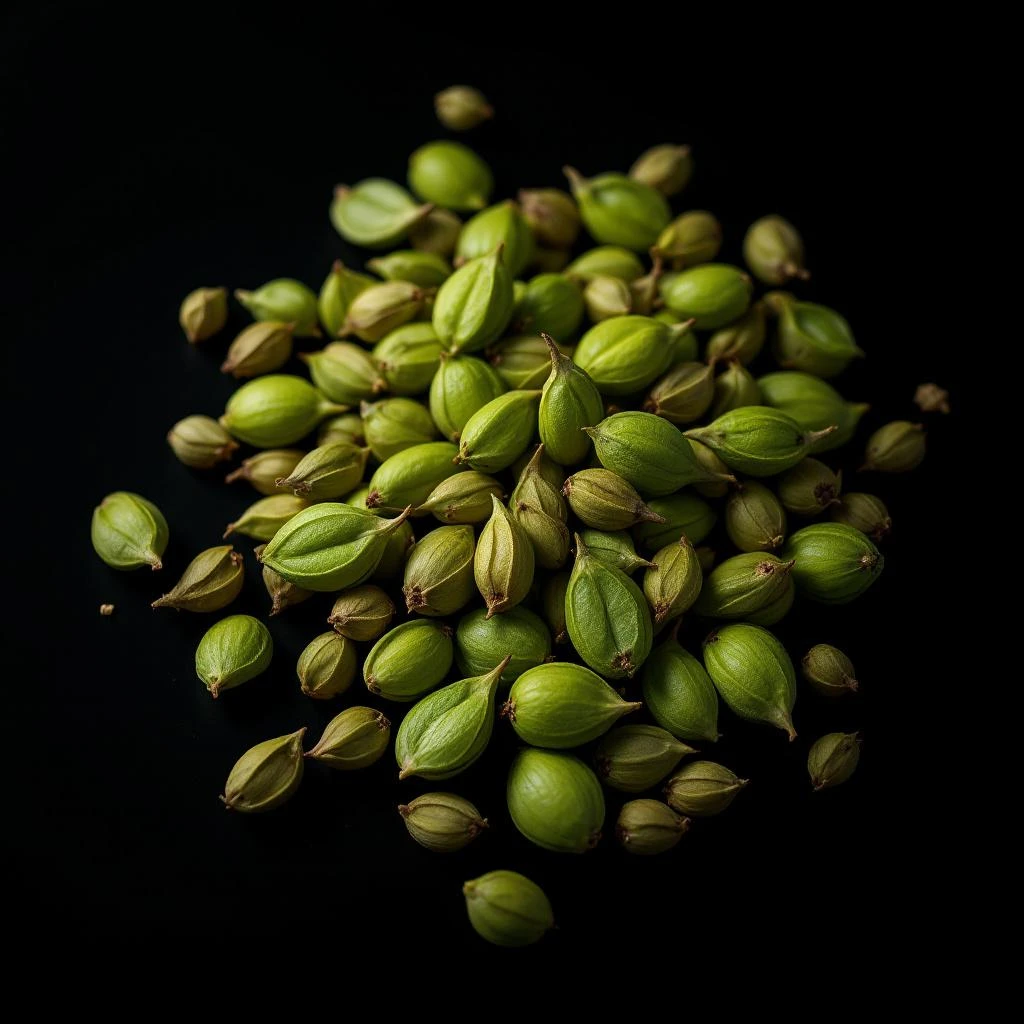
Guatemalan cardamom is the world's most traded spice-derived fragrance ingredient, supplying roughly half of global production and prized for its pronounced minty-peppery warmth that bridges citrus and oriental fragrance families.
Heritage
Cardamom ranks among the oldest aromatic substances in human commerce. Ancient Egyptians burned it in incense and chewed the seeds for oral hygiene, while Romans used it as a digestive aid after heavy meals. Vikings encountered cardamom around Constantinople roughly a thousand years ago and introduced it to Scandinavia, where it remains embedded in culinary tradition to this day. Valerius Cordus first distilled the essential oil in 1544, a breakthrough that came after Portuguese explorers opened direct trade routes to the East. Western perfumery adopted cardamom oil during the 19th century, where it proved versatile across masculine and feminine formulations. Guatemalan cardamom (Elettaria cardamomum) — distinct from the smoky, camphorous black cardamom of Asia — is native to the rainforests of India and Sri Lanka, but Guatemala's highland growing conditions, introduced during the colonial period, produced a new agricultural powerhouse that now dominates the global market for this aromatic spice.
At a Glance
2
Feature this note
Guatemala
Primary source region
Ingredient Details
Steam distillation of dried seeds (CO₂ extraction also used commercially)
Dried seeds of Elettaria cardamomum fruit
Did You Know
"Guatemala overtook India as the world's largest cardamom producer in 1979–1980 and still supplies approximately 50% of global output today."