Character
The Story of Heliotropin
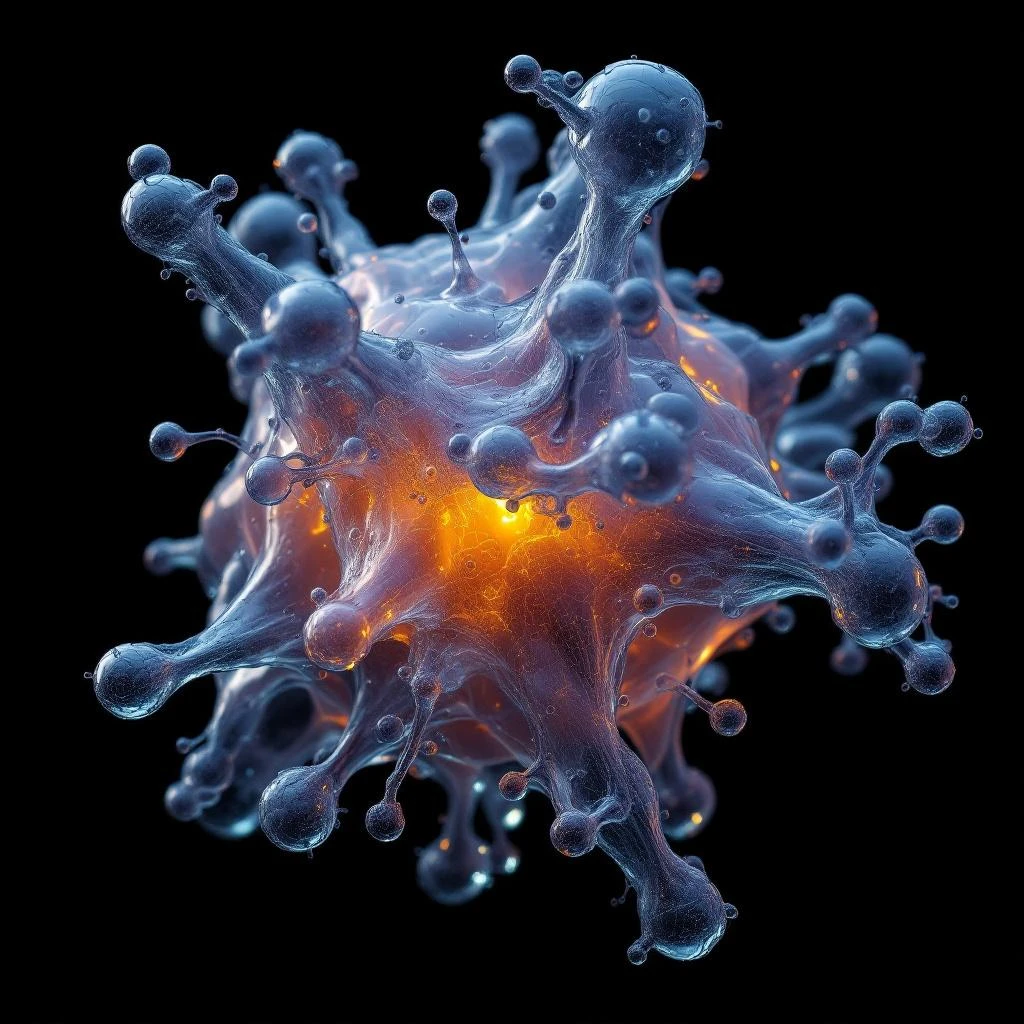
Heliotropin is the synthetic molecule that recreates the heliotrope flower's sweet, powdery scent. One of perfumery's original synthetics, it remains beloved despite strict usage limits.
Heritage
Heliotropin emerged in 1885 as one of the first synthetic fragrance materials, alongside vanillin and coumarin. While heliotrope flowers have been used since Ancient Egypt, the isolated molecule arrived much later. The late 19th century saw dramatic price shifts: heliotropin dropped from 3790 francs per kilogram in 1876 to just 37.5 francs by 1899, making it widely accessible and revolutionizing fragrance accessibility. The name itself derives from the Greek for "sun-turning," honoring the flower that follows the sun across the sky. This compound shaped the "cosmetics" smell of early 20th century perfumery, particularly in Guerlain's legendary creations. L'Heure Bleue (1912) remains the benchmark for powdery floral perfumery, using heliotropin's vanillic facets with anise and iris to create something that smells like the transition between day and night.
At a Glance
1
Feature this note
Germany
Primary source region
Ingredient Details
Synthetic
N/A
Did You Know
"Heliotropin's name means "sun-turning" in Greek, referencing how heliotrope flowers follow the sun across the sky."