
Character
The Story of Indian patchouli
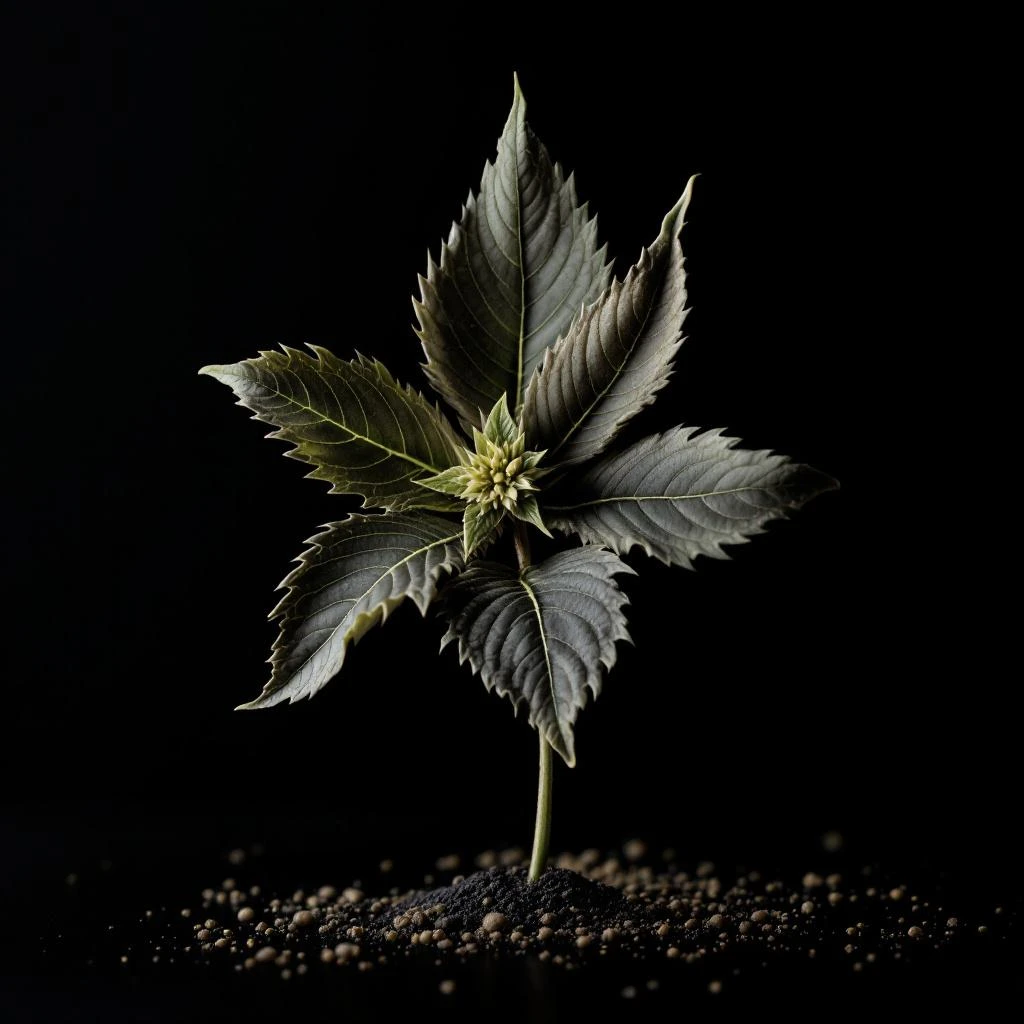
Indian patchouli, sourced from the Pogostemon cablin plant, offers a rich, complex profile of earthy depth, warm wood, and subtle sweetness. Cultivated across India's southern regions, this variety carries the signature woody-resinous character that has made patchouli indispensable in perfumery, anchoring both oriental and chypre compositions with lasting presence.
Heritage
Patchouli's journey to India traces back centuries along ancient trade routes. Originally native to Southeast Asia, the plant's dried leaves were valued by silk traders for their moth-repellent properties, protecting precious fabrics on long voyages. European traders encountered patchouli through the Second Empire's booming trade with India and Indonesia, initially associating it primarily with exotic imported textiles. By the mid-19th century, patchouli essential oil had established itself in perfumery, becoming particularly beloved in chypre and oriental fragrance families. While Indonesia now dominates global production at roughly 90 percent, India maintains its own cultivation tradition, producing a distinctive regional variant that perfumers prize for its particular earthy warmth and subtle regional character.
At a Glance
1
Feature this note
India
Primary source region
Ingredient Details
Steam distillation
Dried leaves
Did You Know
"India's patchouli cultivation centers in Kerala and Mysore, where the warm, humid climate develops the leaves' signature complex aroma. The word itself comes from Tamil: patch (green) + ilai (leaf)."