Character
The Story of Italian Orange
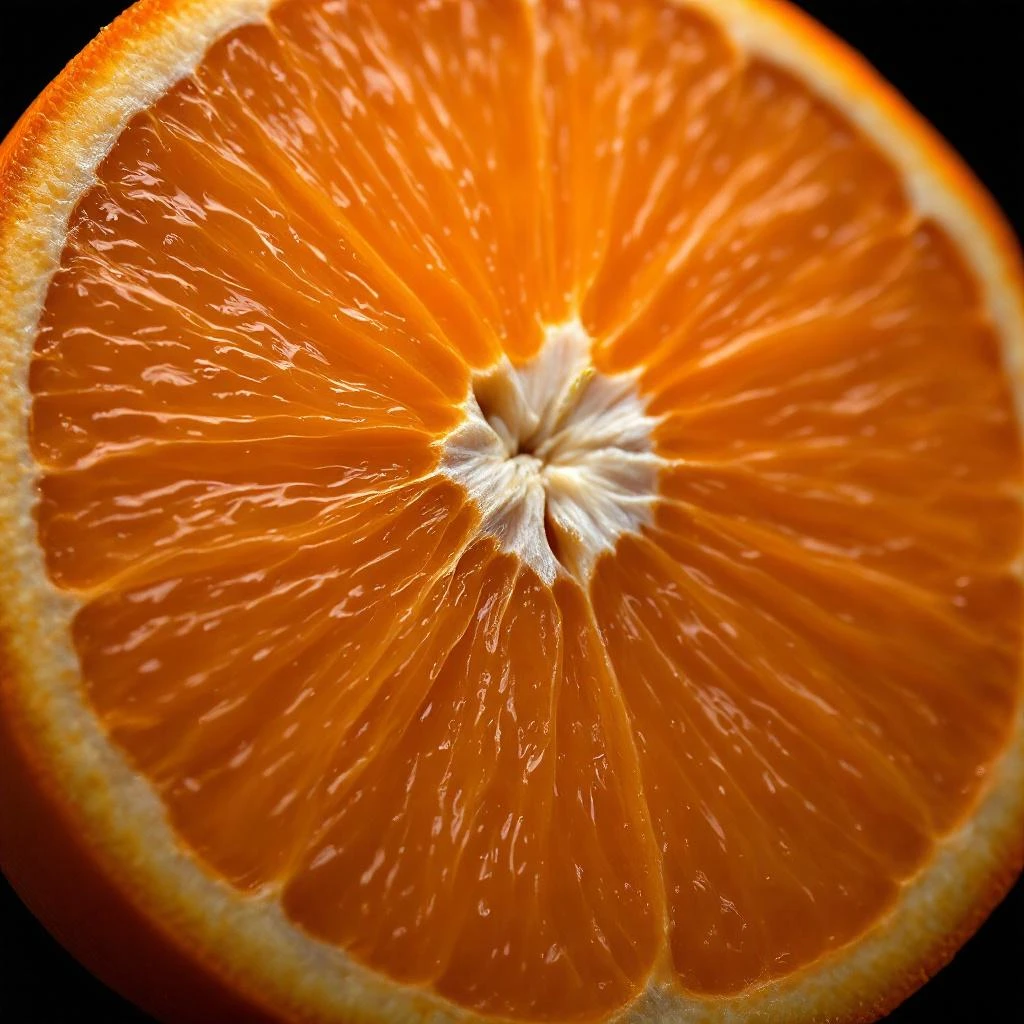
Italian Orange brings Sicily's sun-drenched groves to life in the bottle—bright, juicy, and unapologetically fresh. From the peel of blood oranges grown in volcanic soil to the delicate blossoms of the bitter orange tree, this note captures Mediterranean warmth in its most vibrant form.
Heritage
The bitter orange reached European shores via Arab traders by the 12th century, though it originated in China and Southeast Asia. Persian and Islamic cultures successfully cultivated these trees in Middle Eastern gardens, laying groundwork for what would become Mediterranean perfumery traditions. Italy proved particularly suited to citrus cultivation, and Sicilian groves became legendary for their fruit quality. The real breakthrough came in the 17th century when Princess Anne Marie de la Tremoille, Countess of Nerola, developed an obsession with orange blossom water. She perfumed her gloves, linens, and hair with the delicate floral extract, igniting a court fashion that spread across Europe. The Italian town of Nerola lent its name to what would become one of perfumery's most cherished ingredients—neroli. By 1709, Italian perfumer Gian Paolo Feminis had formalized these traditions, creating the original eau de cologne formula in Cologne, though his Italian roots shaped its citrus-forward character. Today, Italian Orange represents both the fresh zest of Sicilian blood oranges and the time-honored bitter orange blossom tradition that defined European perfumery.
At a Glance
2
Feature this note
Italy
Primary source region
Ingredient Details
Cold pressing (peel), Steam distillation (blossoms), Solvent extraction (absolute)
Fruit peel, Flowers, Leaves and twigs (petitgrain)
Did You Know
"Neroli, the beloved orange blossom extract, takes its name from an Italian princess—Anne Marie de la Tremoille of Nerola—who popularized the scent in 17th-century Europe."