Character
The Story of Jasmine Absolute
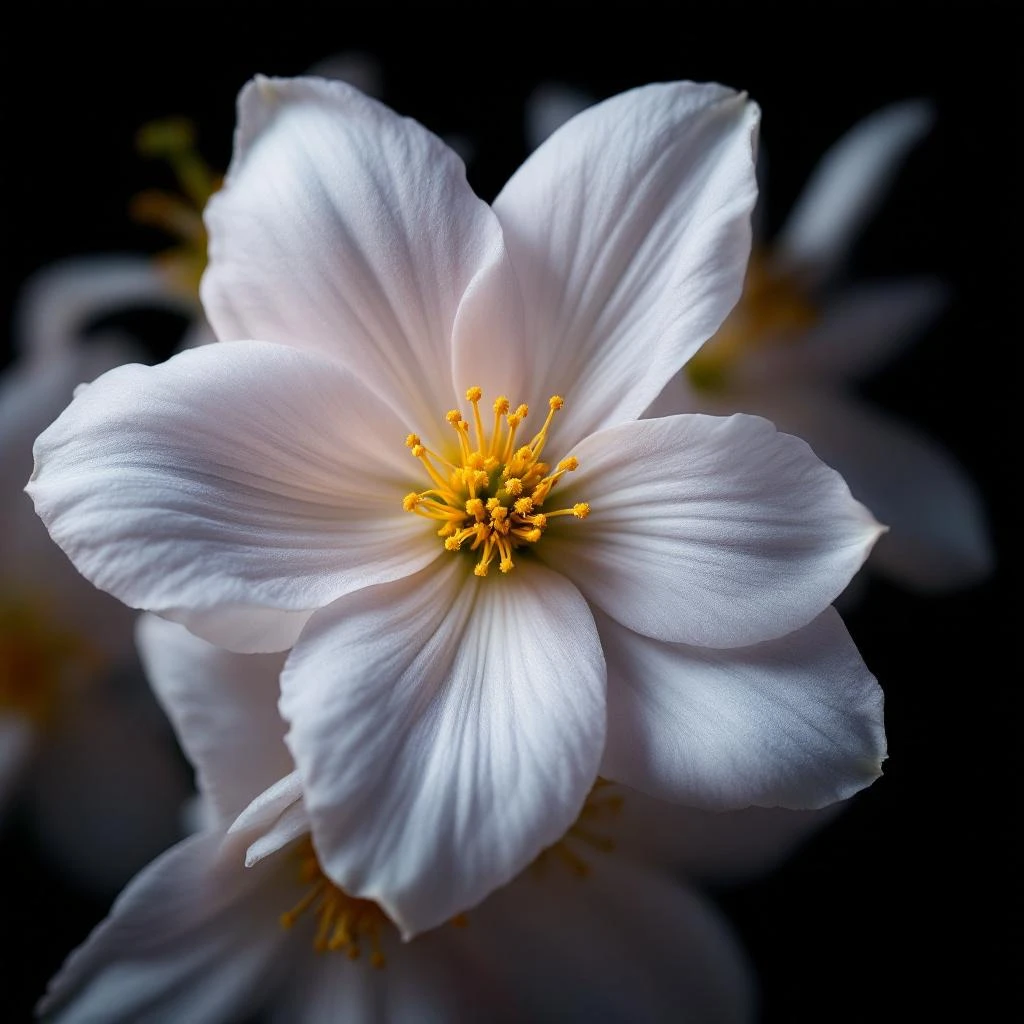
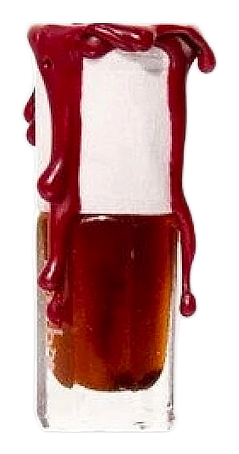
Jasmine absolute is a solvent-extracted oil from Jasminum grandiflorum and J. sambac petals. It serves as a middle note that elevates and rounds fragrance compositions with its intense floral, slightly musky character. The oil appears dark orange-brown and viscous, requiring approximately 700 kg of blossoms per kilogram of absolute.
Heritage
Jasmine traveled west along ancient trade routes from its origins in China, India, and the Middle East. Historical records trace Jasminum grandiflorum to Grasse via Moorish gardens in the 17th century, where Provencal growers developed specialized trellising and irrigation to suit Mediterranean conditions. The town became the center of European jasmine cultivation, its warm days and humid nights producing blossoms with exceptional indole content.
By the early 20th century, jasmine had become essential to French perfumery. Chanel launched Chanel N°5 in 1921, built upon jasmine's rich floral character. Other landmark fragrances followed: Joy in 1930, Arpège in 1927, Mitsouko in 1917. These creations cemented jasmine's role as the backbone of fine fragrance, earning it the title perfumery's King.
Today the center of production has shifted to Tamil Nadu and Egypt, though Grasse maintains symbolic importance. Cooperative models in southern India now coordinate thousands of small farms, delivering blossoms to factories within two hours of harvest to preserve freshness and quality.
At a Glance
31
Feature this note
India
Primary source region
Ingredient Details
Solvent extraction (hexane)
Flower petals
Did You Know
"Pickers harvest jasmine flowers before dawn when the blossoms are still closed buds to maximize their aromatic compounds before the flowers unfurl."
Pyramid Presence