Character
The Story of Jonquil
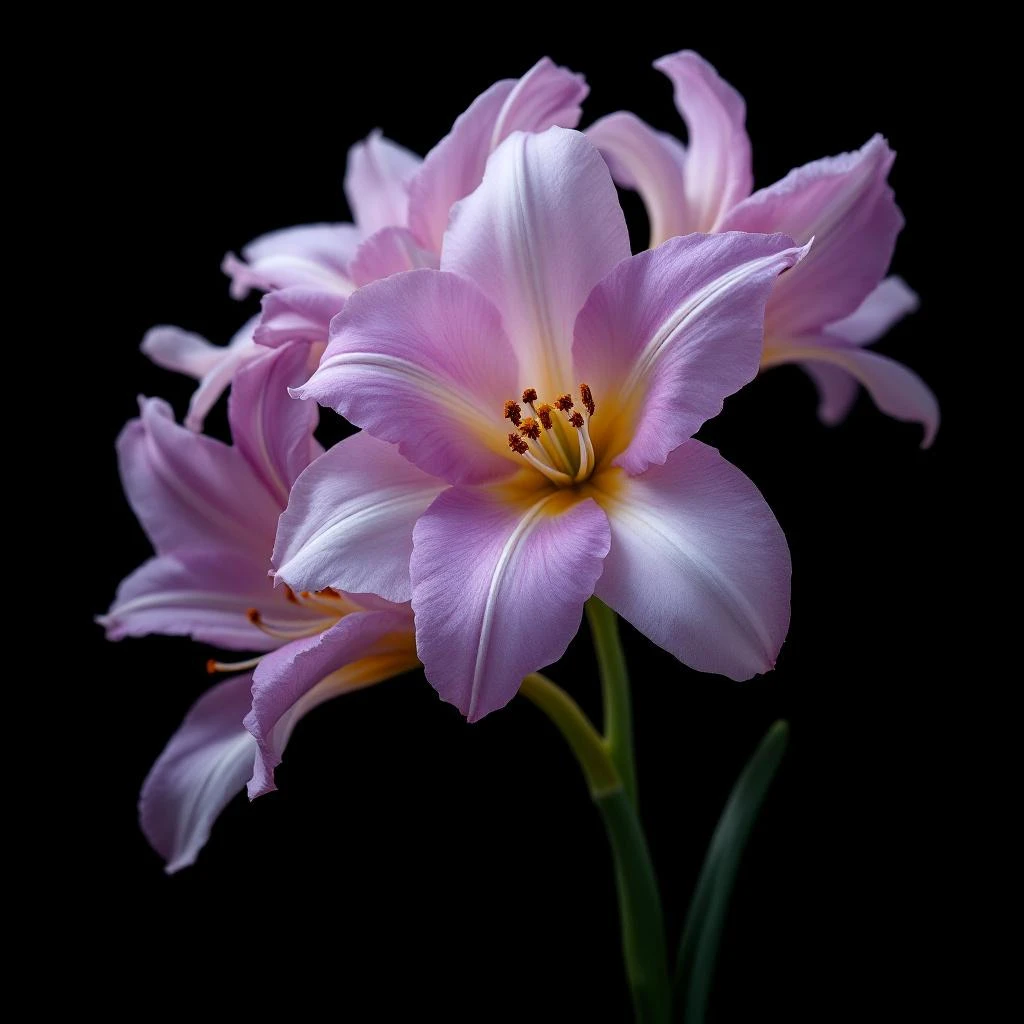
Jonquil absolute captures the intensely sweet, honeyed heart of spring. Its rich floral character carries green facets and a warm, almost narcotic depth that distinguishes it from its poetic cousin. This precious material adds bewitching complexity to floral and white flower compositions, prized by perfumers for its distinctive warmth.
Heritage
Jonquil has been celebrated since antiquity along the Mediterranean rim, where it grows wild across rocky slopes and grasslands. Spanish and Portuguese botanical traditions particularly cherished this flower, with its slender leaves and clusters of small golden blooms earning the common name that persists today. The plant was among the Narcissi cultivars brought into garden cultivation centuries ago, valued as much for its intoxicating fragrance as for its ornamental appeal. By the 19th century, French and British perfumers had begun incorporating jonquil into their formulations, drawn to its honeyed floral intensity. The flower's association with spring and rebirth made it a natural symbol in art and poetry, while its cultivation spread from Iberian wildlands to purpose-grown fields in Grasse and surrounding regions. Today, jonquil remains a relatively rare perfumery material, cherished by those who appreciate its warm, slightly animalic floral signature that evokes the sun-drenched meadows of its Mediterranean homeland.
At a Glance
1
Feature this note
Spain
Primary source region
Ingredient Details
Solvent extraction
Fresh flowers
Did You Know
"Jonquil takes its name from the Spanish word junquillo, meaning little rush, a reference to its slender, reed-like foliage that grows wild across the Iberian peninsula."