




Character
The Story of Juniper Berries
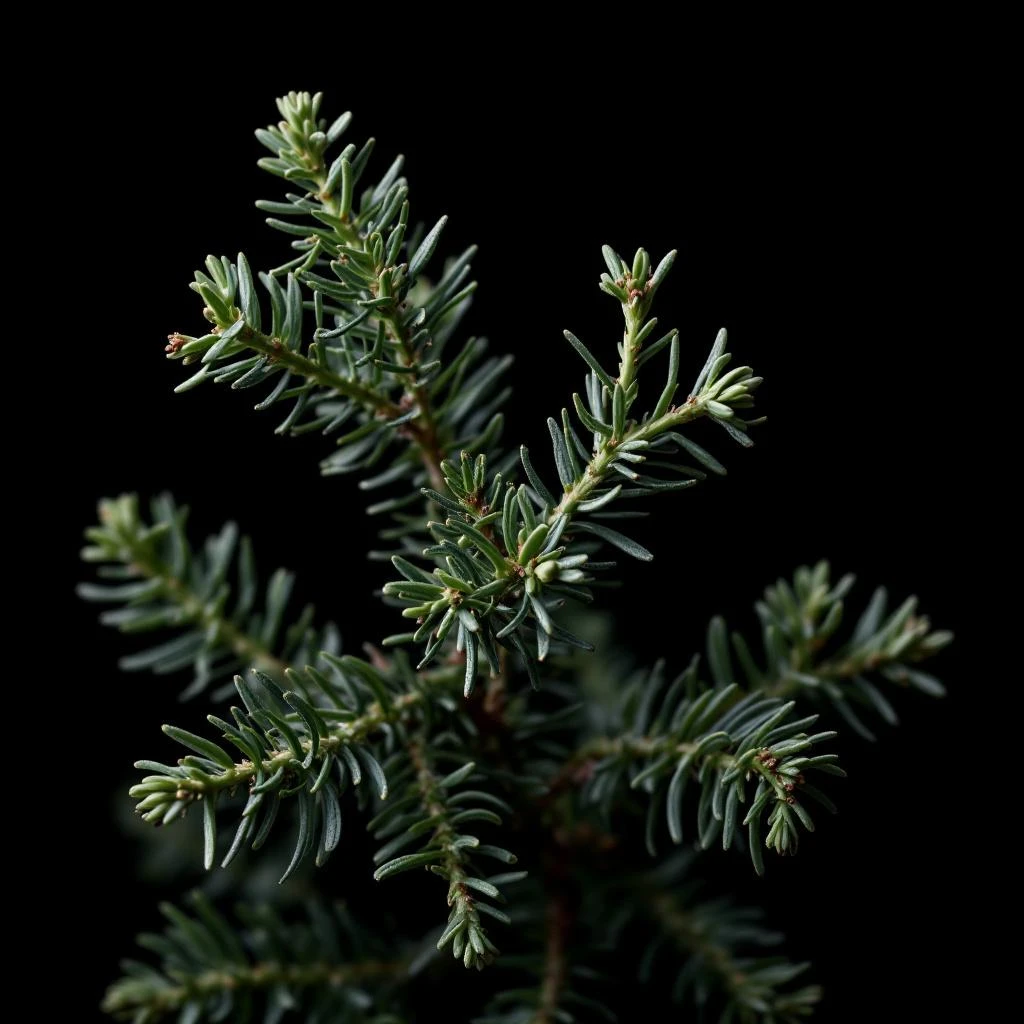
Juniper berries are technically modified cones (called galbuli) from the juniper bush. Their sharp, gin-like aroma combines pine, citrus, and peppery warmth—a vibrant note that adds crispness and energy to countless fragrances.
Heritage
Juniper grows wild across Mediterranean Europe, thriving in both plains and high altitudes. The plant has a rich history of practical uses beyond perfumery. Ancient Romans burned juniper branches in sickrooms to purify the air. Throughout medieval Europe, people burned juniper wood and berries for protection against ill fortune. In folklore traditions spanning multiple cultures, juniper represented a symbol of safeguarding—country hares reportedly hide from hunting dogs in juniper bushes because the scent confuses canine noses. The Virgin Mary is said to have taken shelter beneath a juniper bush while fleeing soldiers. These layered associations with protection, refuge, and purification gave juniper a quietly powerful place in pre-modern life long before perfumers adopted it as a scent ingredient.
At a Glance
6
Feature this note
Hungary, Italy
Primary source region
Ingredient Details
Steam distillation
Berries (galbulus)
Did You Know
"Juniper berries are not true berries. Each one is a female seed cone with fleshy, merged scales called a galbulus, giving it that characteristic berry-like shape."
Pyramid Presence