Character
The Story of Labdanum absolute
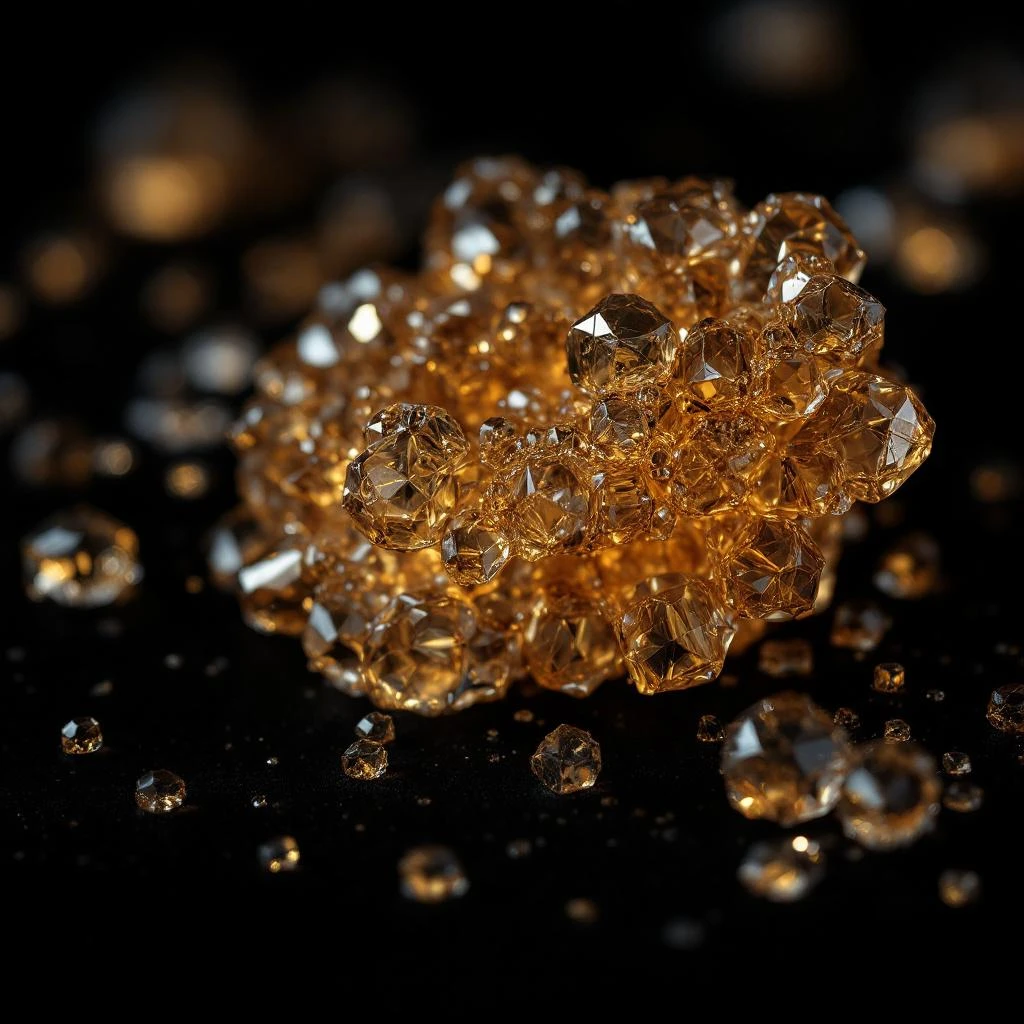
Labdanum absolute is a deeply resinous, amber-toned concentrate from the rockrose plant, prized across millennia for its warm, animalic complexity and extraordinary fixative power. It serves as the aromatic anchor of amber and chypre fragrances.
Heritage
Labdanum's documented history spans over 3,000 years. The Hebrew Bible mentions it twice—Genesis 37:25 and 43:11—where merchants carried what scholars believe was labdanum from Canaan to Egypt. Ancient Egyptians incorporated it into their perfumery traditions, and Greek and Roman cultures adopted it widely. Medieval Europeans used labdanum as a perfume fixative and an ingredient in pomanders, fragrant mixtures believed to ward off illness. The collection method on Crete involved special rakes called lambadistrions—wooden instruments with double rows of leather thongs instead of teeth, dragged across shrubs to gather the sticky resin. Shepherds also collected labdanum incidentally from their goats' beards after the animals browsed through Cistus thickets. Early Arab perfumers called it the sweetest-scented of all substances. When sperm whale ambergris faced international restrictions due to the species' endangered status, labdanum became the primary plant-based alternative for creating that warm, animalic amber character. François Coty anchored his landmark 1917 chypre formula with labdanum, establishing the structural grammar that would define an entire family of Western perfumery.
At a Glance
2
Feature this note
Greece
Primary source region
Ingredient Details
Solvent extraction
Leaves, twigs, branches
Did You Know
"Ancient Cretan shepherds collected labdanum by dragging leather-toothed rakes through rockrose shrubs, and sometimes simply brushed it from their goats' beards."