Character
The Story of Lavandin
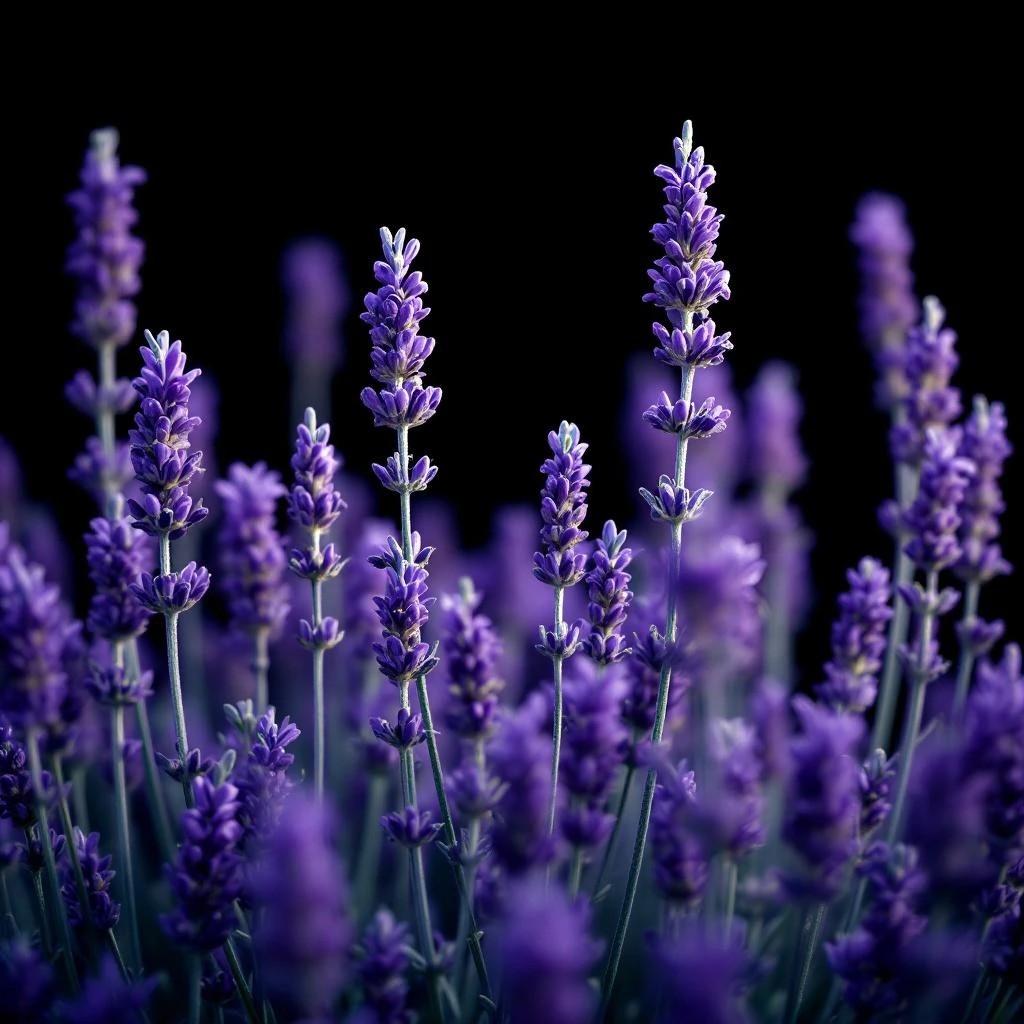
Lavandin is a natural hybrid of true lavender and spike lavender, cultivated on Provençal plateaus since the 1920s. Its oil delivers a sharper, cineole-rich herbaceousness that brings depth and durability to fougère and aromatic compositions.
Heritage
Lavandin arose naturally where true lavender and spike lavender grew side by side on Provençal plateaus. Growers identified this hybrid for its superior hardiness and began cultivating it systematically in the 1920s to meet rising perfume industry demand. Unlike true lavender requiring altitudes above 600 meters, lavandin thrives from sea level, opening cultivation to wider regions. The hybrid quickly became indispensable in masculine fragrance bases, aromatic compositions, and fougère structures that had defined Western perfumery since the 18th century. French production has maintained its reputation despite competition from China and other cultivation regions, thanks to the unique terroir of the Provençal plateau.
At a Glance
1
Feature this note
France
Primary source region
Ingredient Details
Steam distillation
Dried flower spikes and stalks
Did You Know
"Lavandin plants produce up to five times more essential oil than true lavender, making them a cost-effective and sustainable option for fragrance production."