Character
The Story of Leather Accord
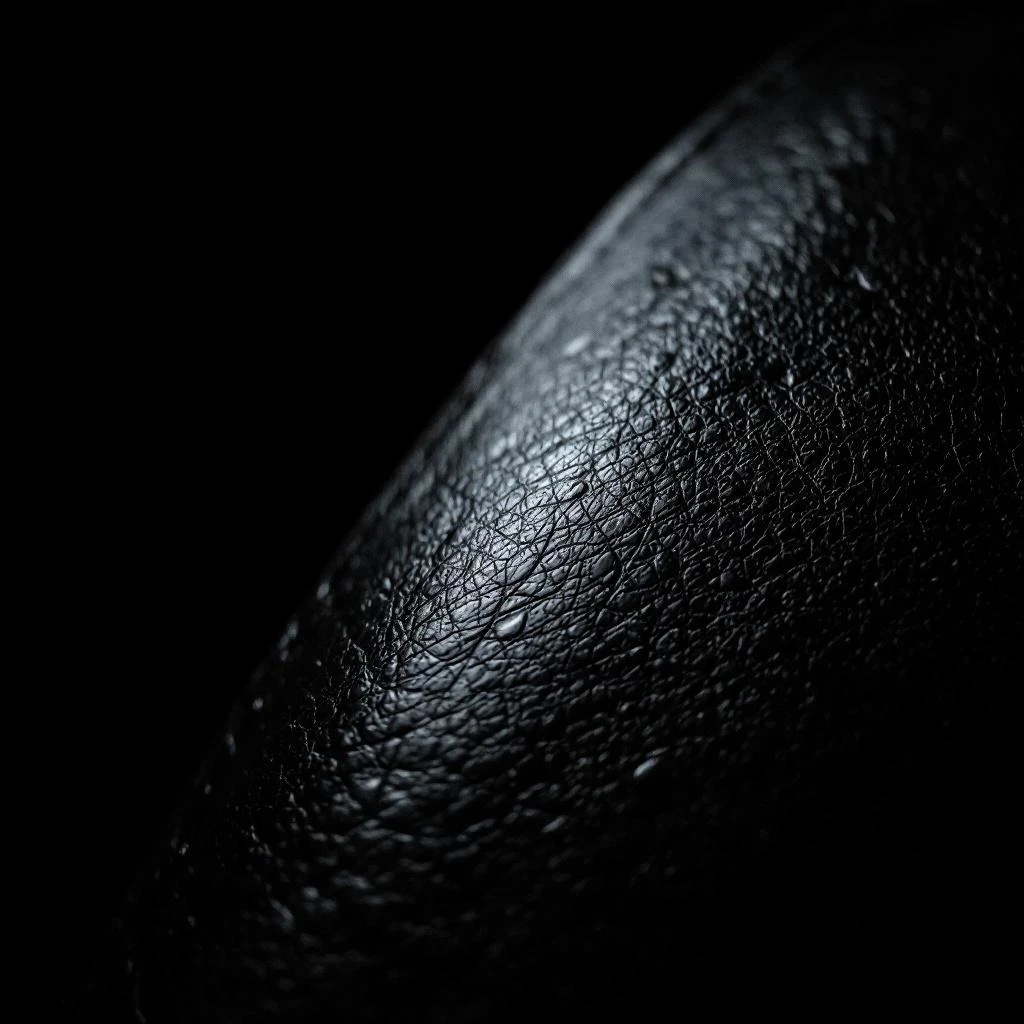
Leather accord recreates the rich, smoky essence of tanned hides through a complex blend of birch tar, cade oil, styrax, and synthetics like isobutyl quinoline. From antique trunks to worn gloves, leather brings rugged sophistication to fragrance.
Heritage
Leather notes emerged from the glove-making trade in 17th-century Grasse, France. Tanners used silver birch bark following the Cossack method to treat skins, creating a distinctive smoky aroma. To mask the harsh odor of tallow-tanned leather, glovers coated their products with floral essences, giving rise to the gantier-parfumeur guild. These scented gloves became fashionable among European nobility, with King George III later commissioning Creed to transform his beloved glove scent into a wearable fragrance, creating Royal English Leather. Russian soldiers waterproofing their boots with birch bark inspired Chanel's Cuir de Russie in 1924. After 1880s, synthetics like isobutyl quinoline enabled perfumers to construct leather accords with unprecedented precision. The note peaked in popularity from 1920 to 1960, featured in landmark fragrances like Bandit and Tabac Blond, before evolving into today's diverse interpretations from minimalist white leather to rich, animalic compositions.
At a Glance
1
Feature this note
France
Primary source region
Ingredient Details
Synthetic and natural blend
Birch tar, cade oil, styrax resin, isobutyl quinoline, tobacco absolute, Peru balsam
Did You Know
"Grasse glovers in the 1600s accidentally invented leather perfume when masking harsh tanning odors with floral essences."