
Character
The Story of Leathery notes
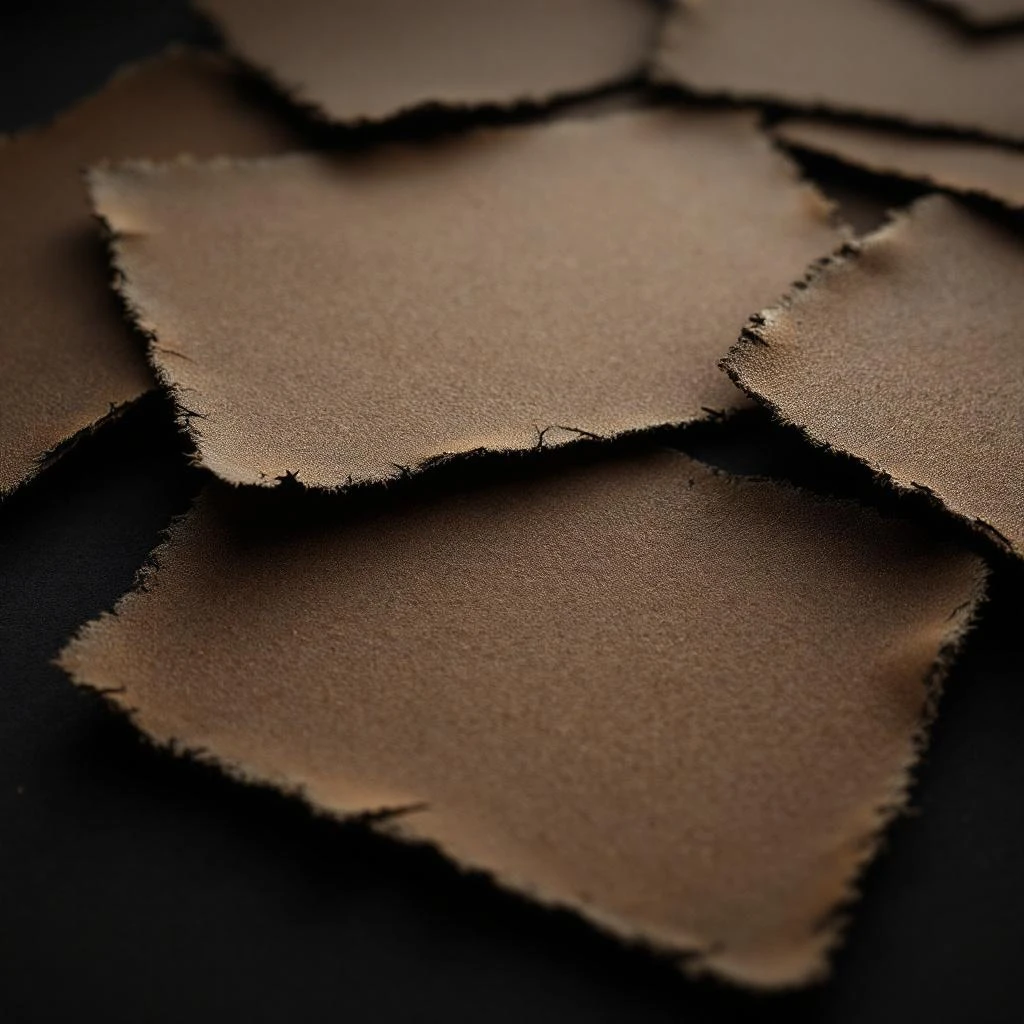
Leathery notes occupy a rare space in perfumery—neither fully natural nor synthetic, they emerge from a careful alchemy of raw materials like birch tar, castoreum, and labdanum. These notes carry an inherent tension: sensual yet spiritual, familiar yet distant, evoking worn saddles, dusty libraries, and warm skin.
Heritage
Leather and perfumery share origins in the guilds of 15th-century Paris, where Maîtres Gantiers Perfumers supplied scented gloves to royalty. The tanning process itself was foul-smelling, so artisans masked it with musk, civet, and ambergris. Catherine de Medici's arrival at the French court in 1538—accompanied by her Florentine perfumer René le Florentin—cemented the tradition of scented gloves among the aristocracy. By 1614, King Louis XIII had formally established the title of Master Glove Perfumer. Grasse became the epicenter, tanning leather with silver birch bark using the ancient Cossack method. When taxes and competition from Nice forced the leather industry to decline around 1759, Grasse pivoted entirely to perfume. Peau d'Espagne by Pinaud survived into the 19th century as one of the earliest leather fragrances, intensely floral, animalic, and musky. Modern leather notes gained prominence from 1920 to 1960, appearing in both women's and men's fragrances, before eventually being classified as their own fragrance family by the French Society of Perfumers.
At a Glance
1
Feature this note
France
Primary source region
Ingredient Details
Accord construction (multiple methods)
Not applicable—leather is a constructed accord
Did You Know
"Catherine de Medici popularized scented gloves across Europe after receiving orange blossom-scented ones from Grasse—earning her the nickname 'La Nerola.'"