

Character
The Story of Linden blossom
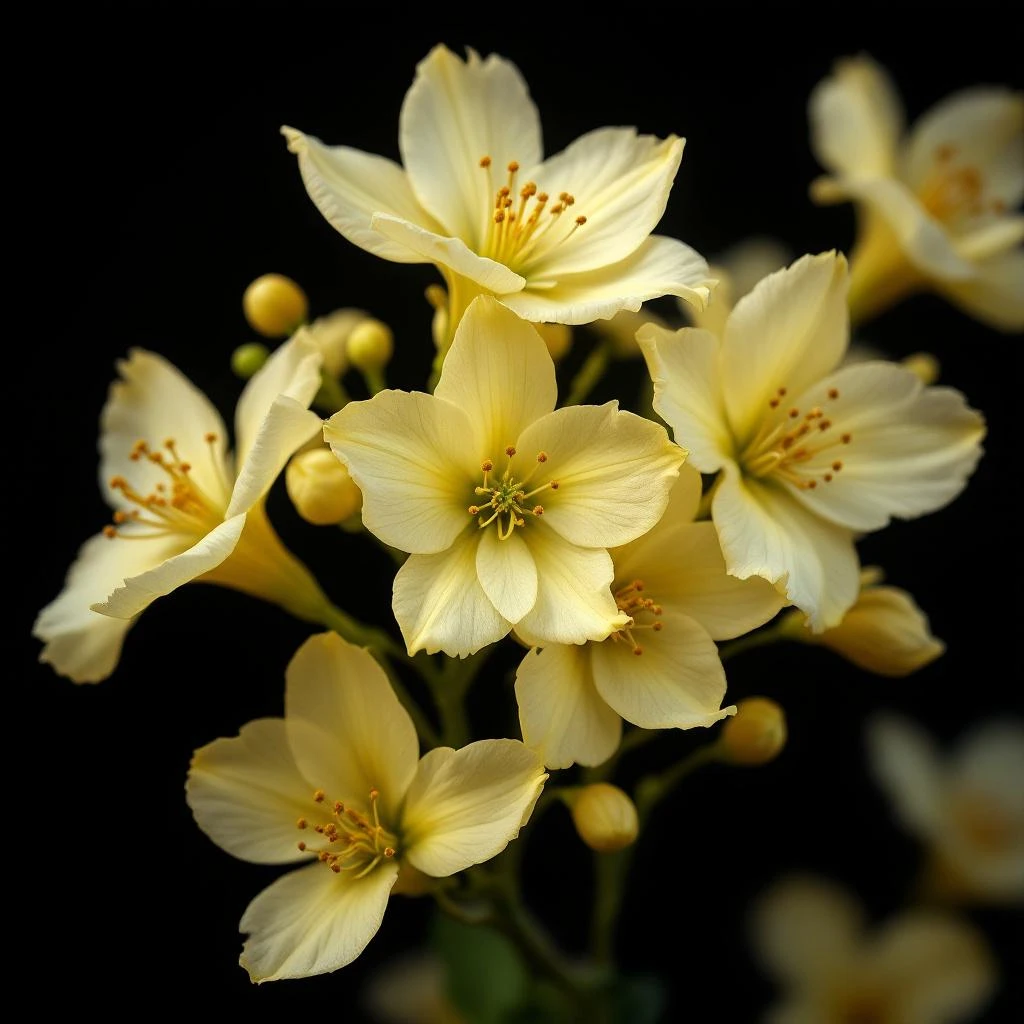
Linden blossom is a warm, honeyed floral that evokes the scent of summer air through a sun-drenched garden. Its nectarous sweetness carries delicate honey and tea-like undertones, creating an intoxicating yet ephemeral quality in fragrance compositions. This challenging ingredient brings both sweetness and luminosity, making it a treasured note when properly captured.
Heritage
Linden trees have shaped European landscapes and cultural traditions for millennia. These remarkable trees, with their distinctive heart-shaped leaves and clusters of fragrant blossoms, appear throughout art and literature as symbols of devotion and tenderness. Louis XIV planted avenues of linden at Versailles, while Paris's Tuileries Gardens and the boulevards of Berlin remain lined with these majestic specimens today. In traditional European herbalism, linden blossom tea served as a remedy for respiratory ailments, headaches, and insomnia, with the flowers considered mildly sedative and anti-inflammatory. The name itself carries linguistic heritage, evolving from the Old English "lind" through Middle English usage in the 1500s. Despite being called "lime" in Britain, the tree shares no relation to the citrus fruit. Today, linden trees grace parks and boulevards from Washington to Warsaw, their fleeting two-week bloom each summer continuing to stop pedestrians in their tracks with their intoxicating honeyed perfume.
At a Glance
1
Feature this note
France
Primary source region
Ingredient Details
Steam distillation / CO2 supercritical extraction
Flower blossoms
Did You Know
"Linden trees have existed for 70 million years, with some specimens in Europe living over 2,000 years."