Character
The Story of Linen
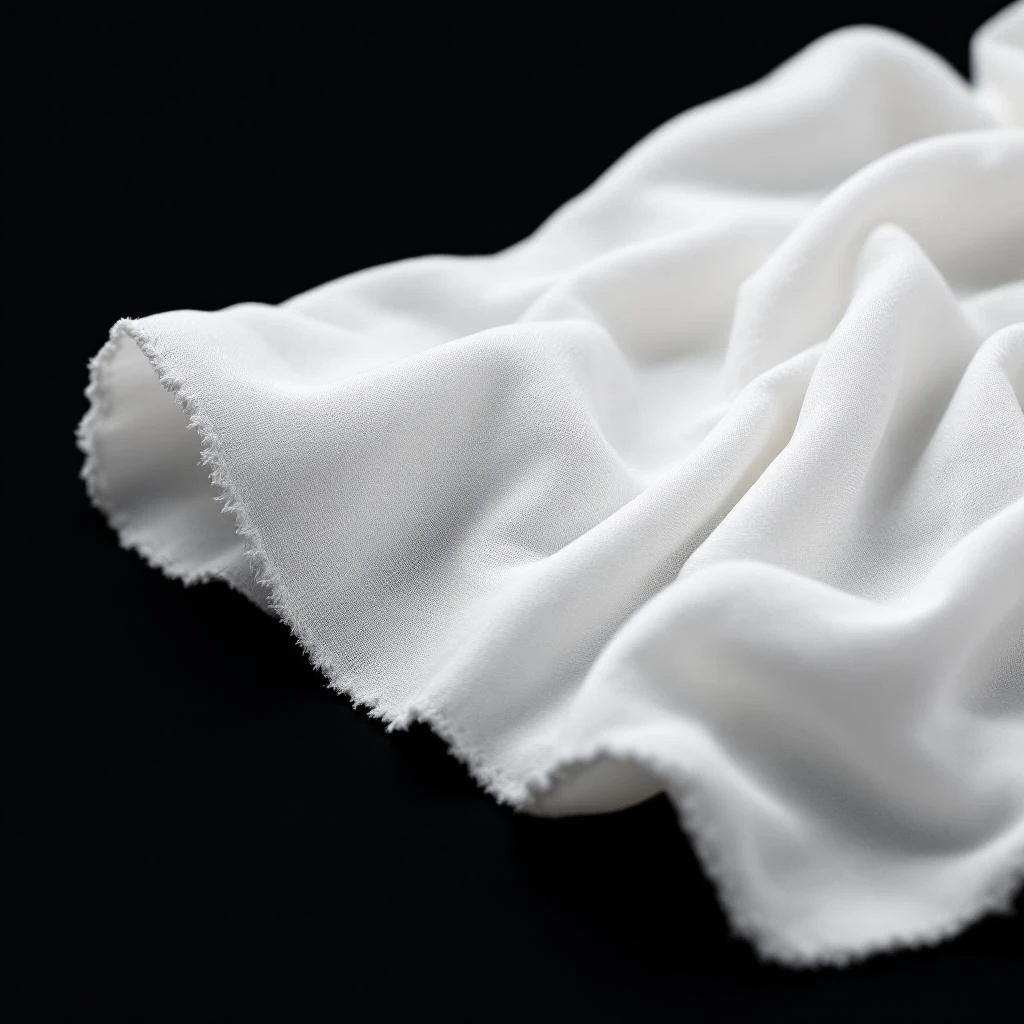
The scent of clean fabric. Fresh, crisp, and quietly comforting, linen is the olfactory shorthand for a well-kept home, conjuring sunlit laundry drying on a warm breeze.
Heritage
Flax (Linum usitatissimum) has clothed humans for over 5,000 years. Ancient Egyptians wore linen in the searing Nile heat because its loose weave allowed air to circulate against the skin. The plant's long bast fibers, released through a process called retting, were spun into thread and woven into the garments of pharaohs and farmers alike. The earliest evidence of linen production appears in Swiss lake dwellings dating to roughly 8000 BCE. Linen fabric traveled the Silk Road and reached Britain around 2000 years ago. In the fragrance world, the "clean" note took longer to arrive. Chanel's 1921 launch of No. 5, with its aldehydic brightness, shifted the perfume industry's relationship with cleanliness from domestic chore to luxury sensation. The linen accord as we know it emerged decades later, during the home fragrance boom of the 1970s and 1980s.
At a Glance
1
Feature this note
Other
Olfactive group
Synthetic
Lab-crafted
Egypt
Primary source region
Ingredient Details
Synthetic
None (synthetic accord)
Did You Know
"Ancient Egyptian mummies were wrapped in linen cloth over 4,500 years ago. The word "linen" itself shares roots with "lining," the hidden interior of garments that sits closest to the skin."