


Character
The Story of Madagascan pepper
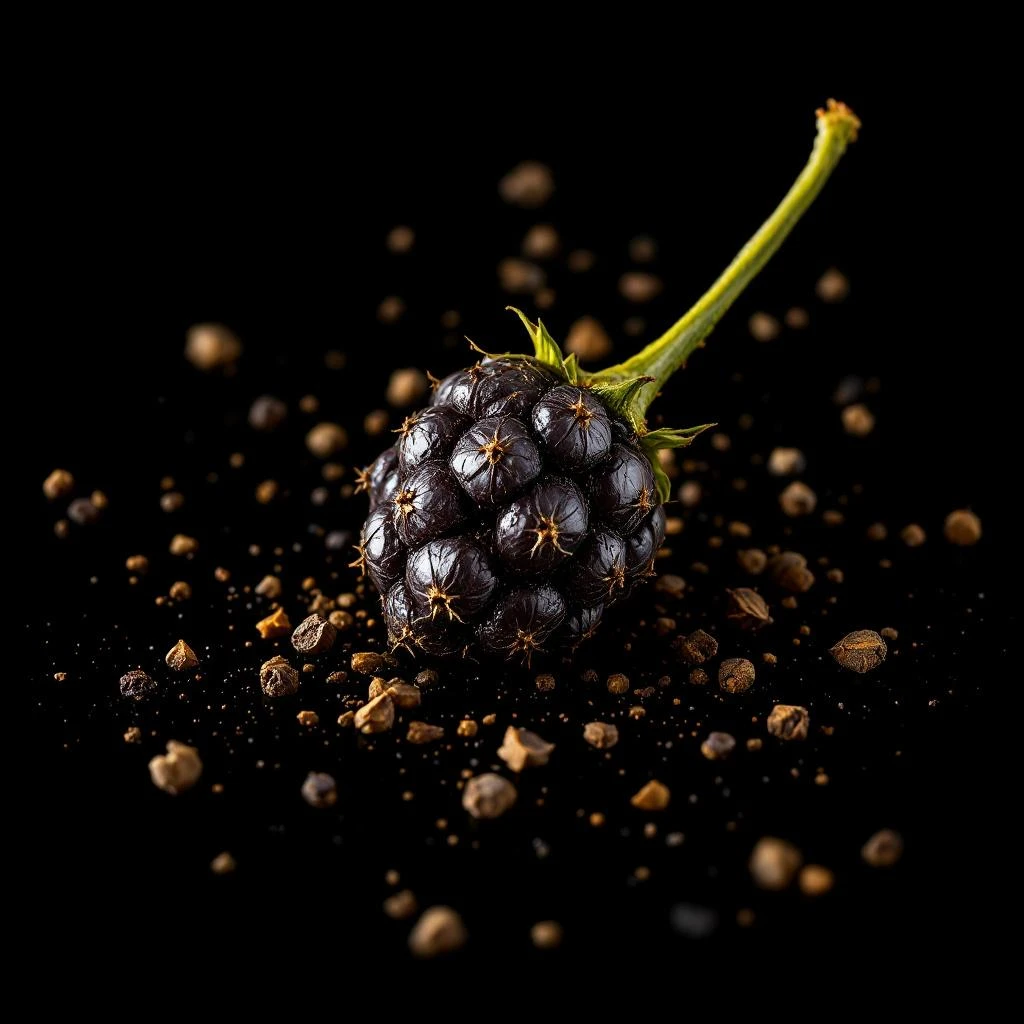
Madagascan pepper essential oil carries a warm, resinous character with bright citrus top notes and a dry, slightly woody finish. Steam distilled from dried Piper nigrum berries grown in the island's humid equatorial climate, it brings aromatic complexity that captures Madagascar's distinctive terroir in a bottle.
Heritage
Pepper cultivation arrived in Madagascar during the 19th century, carried by Asian traders navigating Indian Ocean routes and further spread by colonial botanists seeking to establish spice production in French territories. The island's equatorial climate and mineral-rich volcanic soil proved exceptionally suited to Piper nigrum, allowing Malagasy farmers to develop cultivation methods refined over generations. Nosy Be emerged as an early cultivation hub, with production gradually expanding along the humid eastern coastline where rainfall patterns and temperatures mirror the pepper's ancestral Southeast Asian origins.
The cultural significance of pepper in Madagascar extends beyond commerce into traditional medicine and culinary practice. Rural communities have long used pepper preparations for respiratory ailments and digestive complaints, knowledge systems that predate modern pharmacological research. Within local cuisine, pepper accompanies rice dishes, grilled meats, and preserved fruits, forming part of the foundational flavor vocabulary shared across the island's diverse ethnic groups. This deep integration into daily life has sustained demand through centuries of changing political and economic conditions.
Global recognition of Madagascan pepper as a premium aromatic ingredient emerged sharply after 2010, when specialty food markets and fine dining chefs began seeking alternatives to dominant Indian and Vietnamese supplies. The wild Voatsiperifery variety, known in Malagasy as 'voan'tsy ahifasy' (fruit of the forest vine), attracted particular attention for its complex flavor profile combining citrus, floral, and gently resinous notes. This surge in international demand has created both economic opportunity and conservation challenges, as wild-harvested populations face pressure from increasing extraction. Fair-trade and sustainable sourcing initiatives now work to balance market access for Malagasy producers with long-term forest ecosystem preservation.
At a Glance
2
Feature this note
Madagascar
Primary source region
Ingredient Details
Steam distillation of dried berries
Dried pepper berries
Did You Know
"Voatsiperifery, the wild Madagascan variety, grows on vines that climb up to 10 meters into forest canopy trees, requiring pickers to climb and harvest by hand during a short window each year."
Pyramid Presence