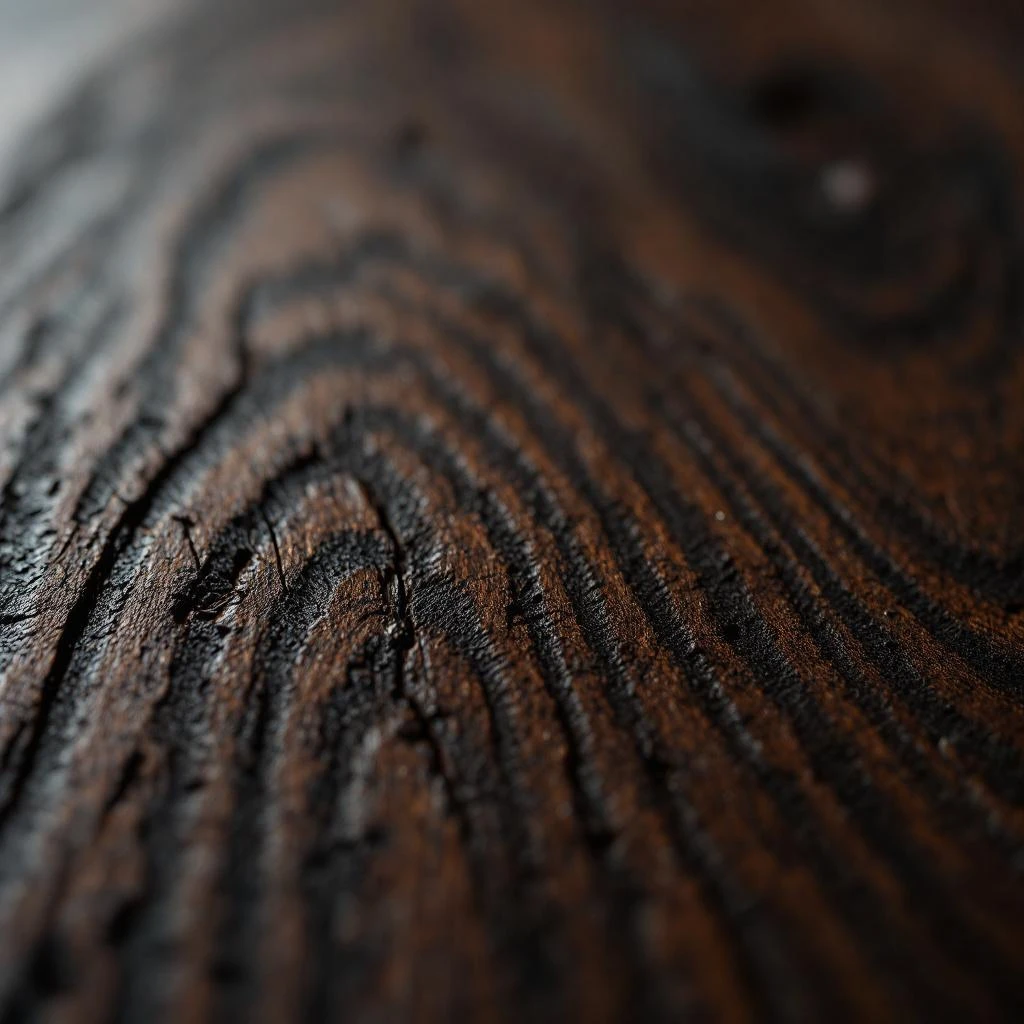

Character
The Story of Mahogany Wood
Rich, warm, and slightly sweet, mahogany brings a creamy depth to fragrance compositions. This tropical hardwood's aromatic heartwood adds velvety warmth as a base note that grounds florals and brightens woods.
Heritage
Mahogany entered European awareness through the Spanish colonies of Central and South America during the 1500s and 1600s. Spanish conquistadors prized the wood for shipbuilding and fine furniture due to its straight grain, rich color, and resistance to rot. The tree's botanical name, Swietenia macrophylla, honors the 18th-century Dutch botanist Conrad Swieten, who studied tropical flora for European botanical gardens. By the 1700s, English and French cabinetmakers were crafting luxury furniture from imported mahogany, and the wood's association with opulence and craftsmanship influenced its adoption into perfumery. Contemporary perfumers draw on sustainable plantations across Brazil and Central America, where Swietenia macrophylla grows in tropical forests. The heartwood's aromatic compounds develop over decades, making older-growth mahogany particularly valuable for fragrance work.
At a Glance
1
Feature this note
Brazil
Primary source region
Ingredient Details
Solvent extraction
Heartwood chips
Did You Know
"Mahogany trees can live for over 350 years, with the most aromatic heartwood typically developing in specimens aged 80 years or more."