    Ingredient Profile

    Mexican Vanilla fragrance note

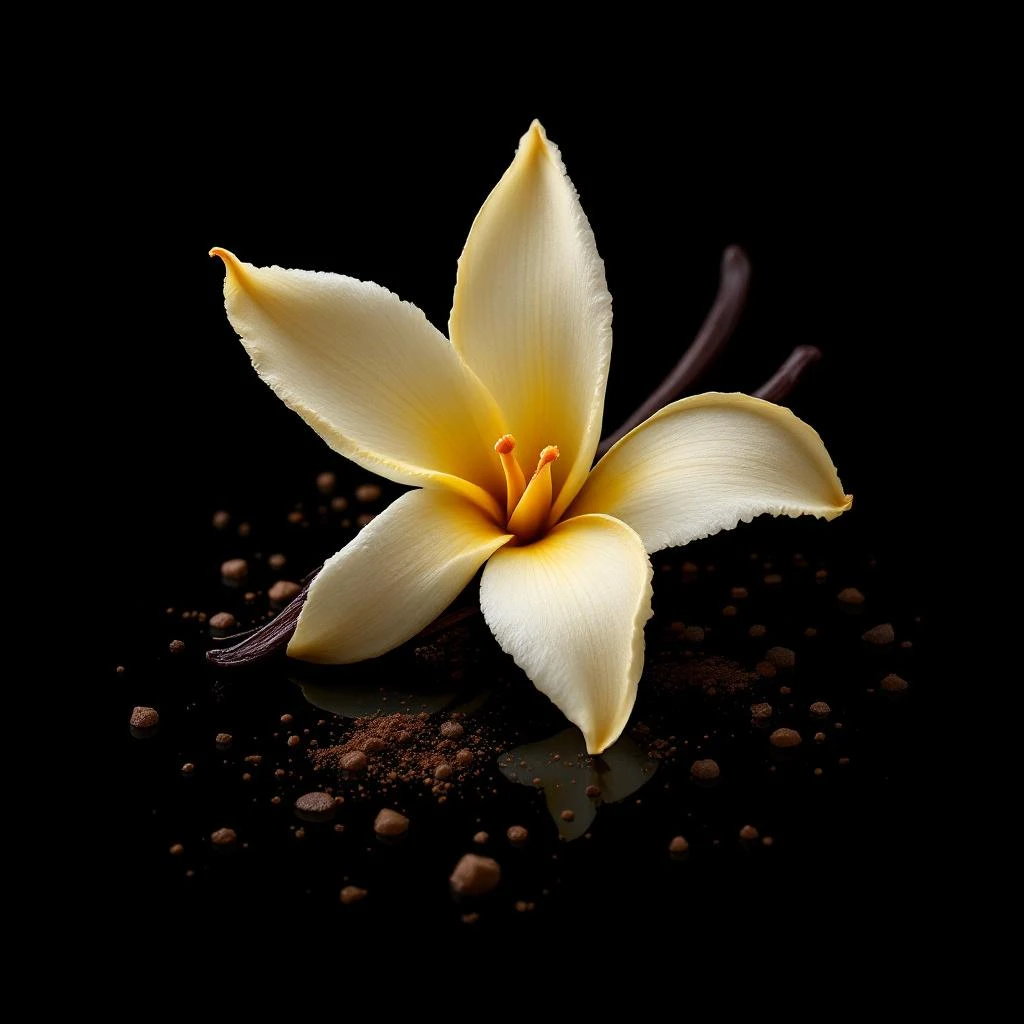
    Mexican vanilla delivers a warm, creamy sweetness that anchors a fragrance with subtle woody depth, echoing the orchid’s native forest home.

    Mexico

    3

    Fragrances

    Fragrances featuring Mexican Vanilla

    3

    Character

    The Story of Mexican Vanilla

    Mexican vanilla delivers a warm, creamy sweetness that anchors a fragrance with subtle woody depth, echoing the orchid’s native forest home.

    Heritage

    The Totonac people of Veracruz first cultivated vanilla over a thousand years ago, using the pods as a sacred offering and flavoring for cacao. Aztec nobles later prized vanilla for its aromatic richness, mixing it with chocolate in elite courts. When Spanish conquistadors encountered the spice in the 16th century, they exported it to Europe, where it remained a rarity due to the orchid’s complex pollination. In 1841, Edmond Albius, a 12‑year‑old slave on Réunion Island, discovered a simple hand‑pollination technique that unlocked mass production. By the late 1800s, French colonies on Madagascar and the Comoros began supplying the world, but Mexican vanilla retained a reputation for depth and nuance. Today, authentic Mexican vanilla commands respect for its heritage and the labor‑intensive methods that preserve its original character.

    At a Glance

    Fragrances

    3

    Feature this note

    Origin

    Mexico

    Primary source region

    Ingredient Details

    Extraction

    Solvent extraction

    Used Parts

    Dried beans (pods)

    Did You Know

    "A 12‑year‑old enslaved botanist, Edmond Albius, cracked the hand‑pollination secret in 1841, turning a rare Mexican orchid into a global crop."

    Pyramid Presence

    Heart
    2
    Base
    1

    Production

    How Mexican Vanilla Is Made

    Farmers grow Vanilla planifolia vines beneath shade trees in Veracruz. Native Melipona bees pollinate the flowers in the wild, but commercial growers hand‑pollinate each blossom with a thin wooden stick. After fruiting, growers harvest the green pods and begin a curing process that lasts three to four months. First, they blanch the beans in hot water for 2‑3 minutes to stop enzymatic activity. Next, they sweep the pods in the sun for several hours, allowing the skins to dry and the interior to swell. Finally, they sweat the beans in wooden boxes, where humidity and temperature rise to 30‑35 °C, developing the characteristic aroma. Once cured, the beans are sliced and macerated in ethanol, extracting vanillin and hundreds of trace aromatics. The resulting absolute is filtered, then blended with a small amount of natural vanilla oil to preserve the full spectrum of scent.

    Provenance

    Mexico

    Mexico19.2°N, 96.1°W

    About Mexican Vanilla