Character
The Story of Mirabelle
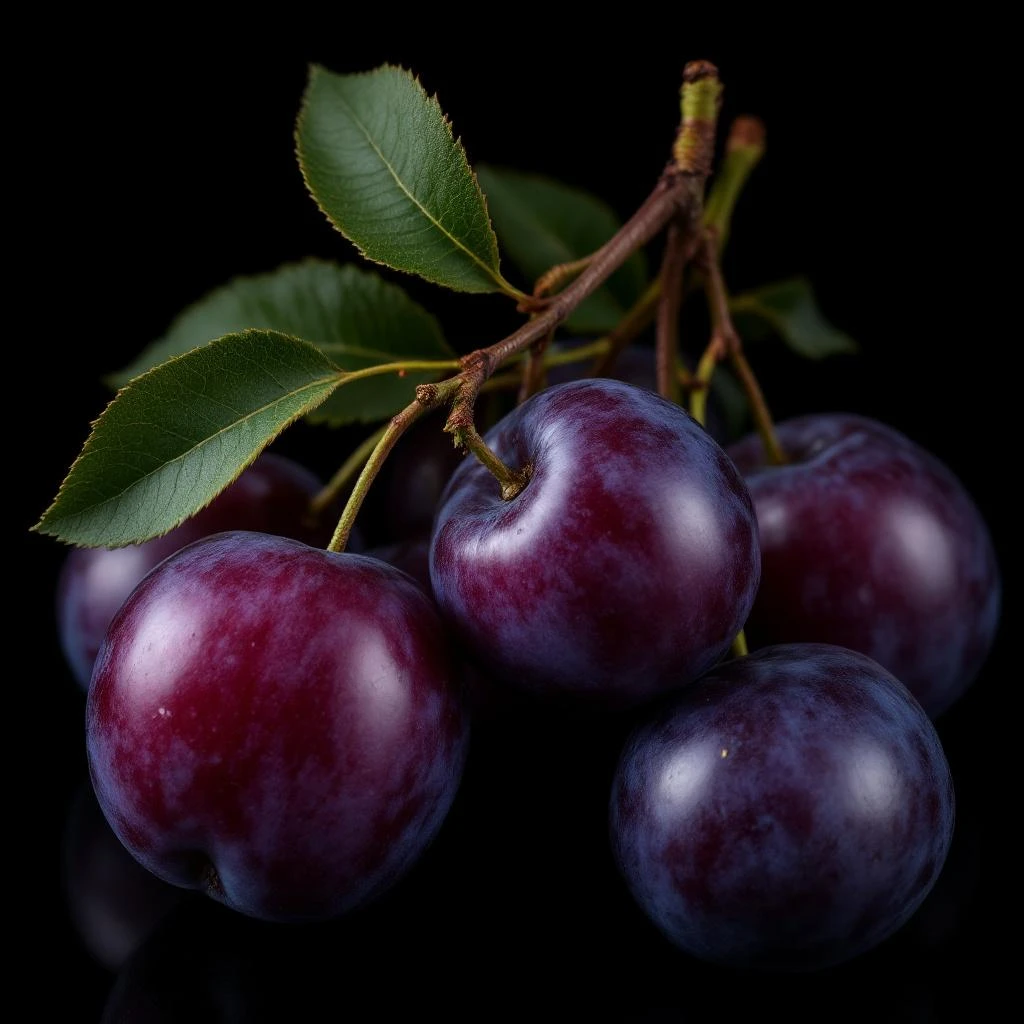
A small golden plum from the Lorraine region of France, Mirabelle brings a honeyed sweetness with subtle tartness to perfumery. Its scent evokes sun-warmed orchards and late summer harvests, offering a bright fruity note that bridges gourmand and floral compositions.
Heritage
The Mirabelle plum traces its origins to China, from where it traveled westward to reach Europe by the 15th century. It found its true home in the Lorraine region of northeastern France, where the climate and soil composition proved ideal for cultivation. The fruit quickly became emblematic of the region, celebrated in local cuisine and culture. Over centuries, cultivation spread to neighboring areas, particularly Alsace in Germany, as well as Hungary and Romania.
The fruit holds such cultural significance that since 1996, the European Union has recognized Mirabelle de Lorraine with Protected Geographical Indication status. This designation ensures that only plums grown in the specific geographical zone, meeting strict quality standards for size and sugar content, can bear the prestigious label. The city of Metz honors this heritage annually with a two-week Mirabelle Festival each August, featuring markets selling fresh fruit, traditional tarts, and the famous eau de vie distilled from the plums.
Approximately 90% of commercially grown Mirabelles are processed rather than eaten fresh, with 70% going to jam production and 20% fermented into wine or distilled into brandy. In perfumery, Mirabelle emerged as a distinctive note in the late 20th century, offering a nuanced alternative to more common stone fruit notes like peach or apricot. Its inclusion in compositions such as Jo Malone Plum Blossom has established it as a sophisticated choice for fragrances seeking a bright, honeyed fruit character without overwhelming sweetness.
At a Glance
1
Feature this note
France
Primary source region
Ingredient Details
Synthetic reconstruction
Fruit (recreated via accords)
Did You Know
"Mirabelle plums are so prized in France that the city of Metz dedicates an entire two-week festival to them each August, celebrating with tarts, liqueurs, and fresh fruit markets. Lorraine produces 15,000 tons annually, representing 80% of global commercial production."