Character
The Story of Miracle berry
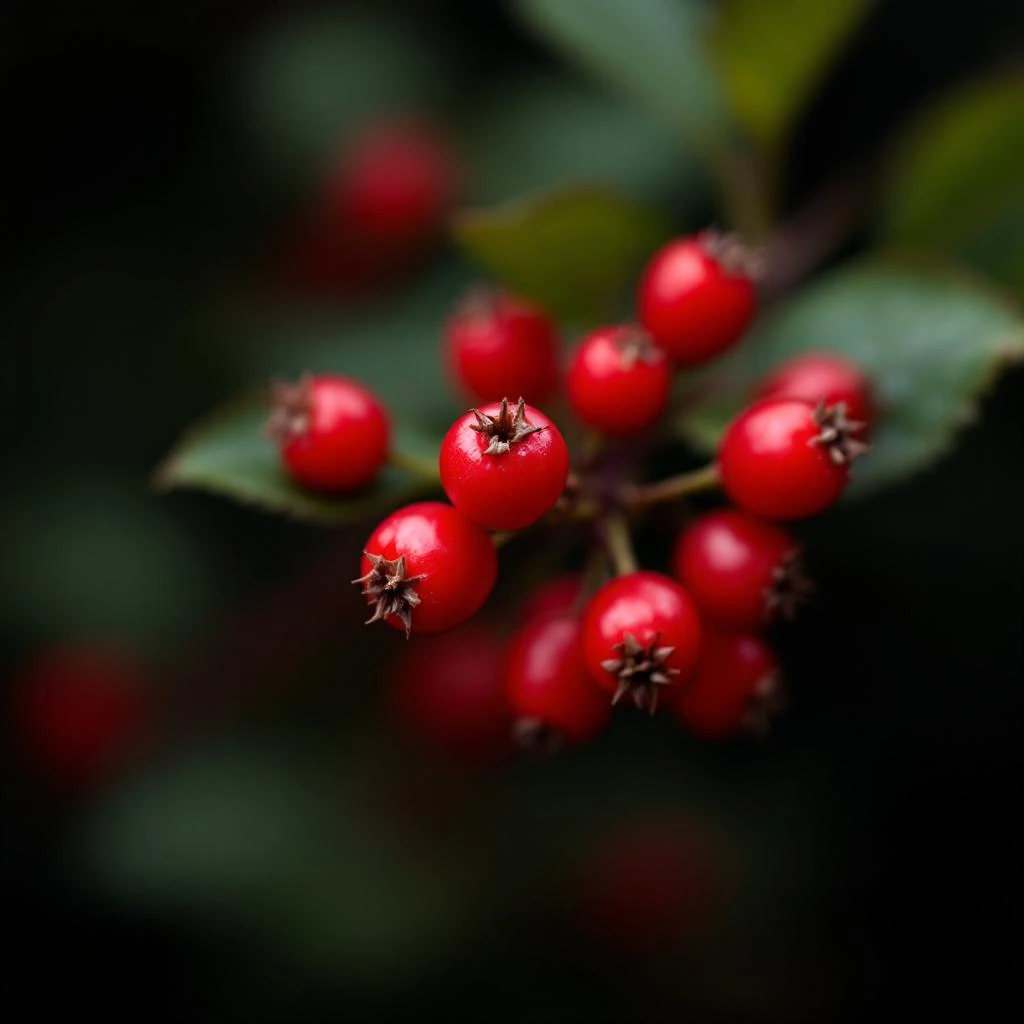
Synsepalum dulcificum captivates with its extraordinary talent for reshaping taste—turning sour to sweet. This West African berry, now entering perfumery's creative lexicon, offers a juicy, tangy-fruity character that adds luminous depth to gourmand and bright compositions alike.
Heritage
Explorer Chevalier des Marchais first documented Synsepalum dulcificum during his 1725 expeditions through West Africa, where local populations had long relied on the berry to transform sour fare—from palm wine to acidic fruits—into sweet treats. The fruit remained relatively obscure until the 1960s, when Japanese and Dutch scientists independently isolated its active glycoprotein, naming it miraculin. Though the FDA prohibited miraculin as a food additive in 1974, the berry found new life in culinary tasting menus and, more recently, in perfumery's experimental terrain. Perfumers now reinterpret its sensory mystique through synthetic reconstruction, honoring a legacy rooted in West African tradition while pushing creative boundaries in modern fragrance design.
At a Glance
1
Feature this note
Senegal
Primary source region
Ingredient Details
Synthetic
Whole berry (scent reconstructed)
Did You Know
"Chevalier des Marchais documented this berry in 1725 while exploring West Africa, noting how locals used it to sweeten sour foods."