Character
The Story of Mock Orange
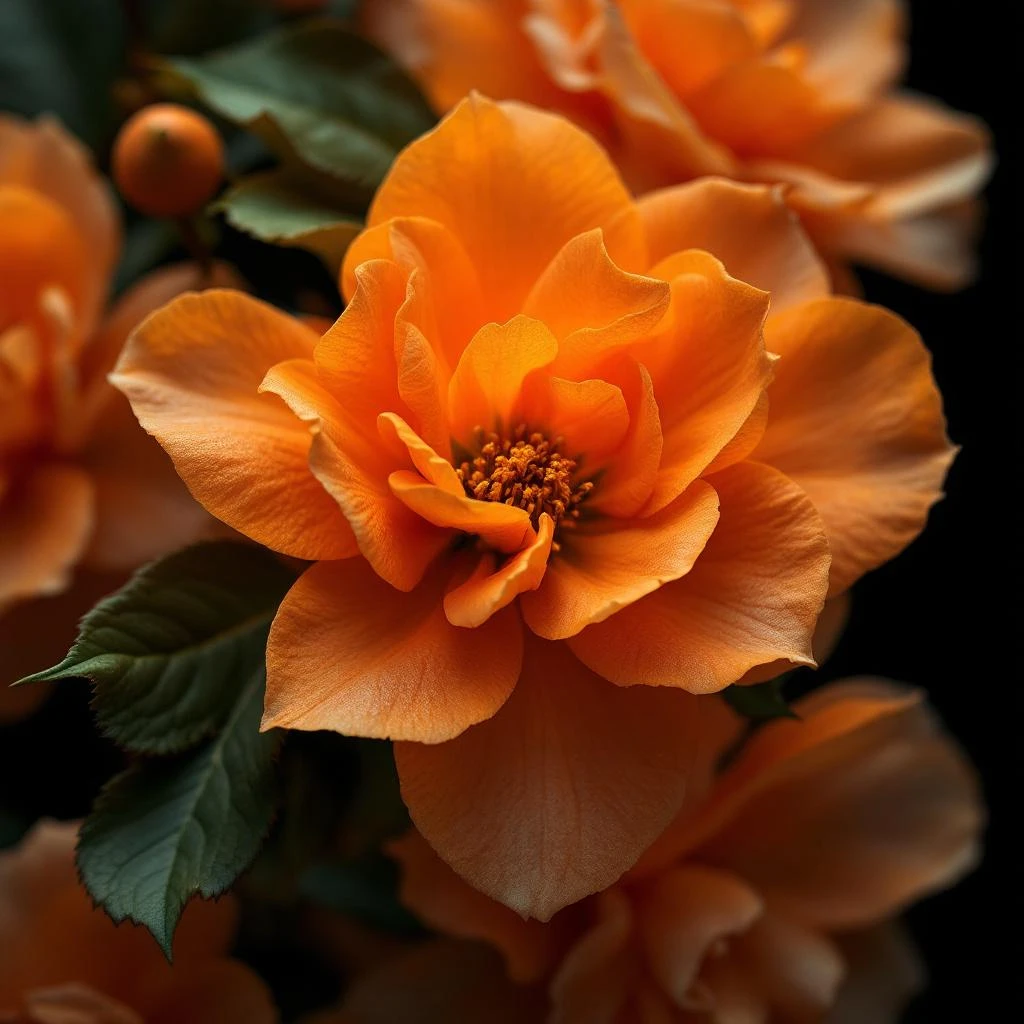
A fragrant shrub whose creamy white blooms release an intoxicating, orange-blossom-like scent with unexpected depth. Native to Southern Europe, Mock Orange has quietly perfumed gardens for centuries, inspiring perfumers to capture its elusive freshness.
Heritage
Philadelphus coronarius originated in the Mediterranean region and Caucasus, where it has grown wild since antiquity. European gardeners cultivated it widely starting in the 16th century, planting it near estate walkways and courtyard walls where its powerful evening fragrance could be appreciated. The botanical name comes from the Greek 'philos' (loving) and 'adelphos' (brother), possibly referencing the plant's paired blossoms or its popularity among siblings in monastic gardens. French and English herbalists of the 17th century documented its use in scented waters and sachets, though true orange blossom eventually displaced it in commercial preparations due to easier cultivation. Today, Mock Orange survives in perfumery as a niche material, cherished by those seeking something genuinely uncommon in white floral compositions.
At a Glance
1
Feature this note
Southern Europe / Caucasus
Primary source region
Ingredient Details
Solvent extraction
Fresh flower petals
Did You Know
"Philadelphus coronarius earned its name because its scent so closely mimics true orange blossom that the two were historically confused in perfumery."