    Ingredient Profile

    Moroccan cistus absolute fragrance note

    Moroccan cistus absolute captures the resinous heart of the wild labdanum shrub, delivering a warm amber-leather scent that anchors modern c…More

    Morocco

    1

    Fragrances

    Fragrances featuring Moroccan cistus absolute

    Character

    The Story of Moroccan cistus absolute

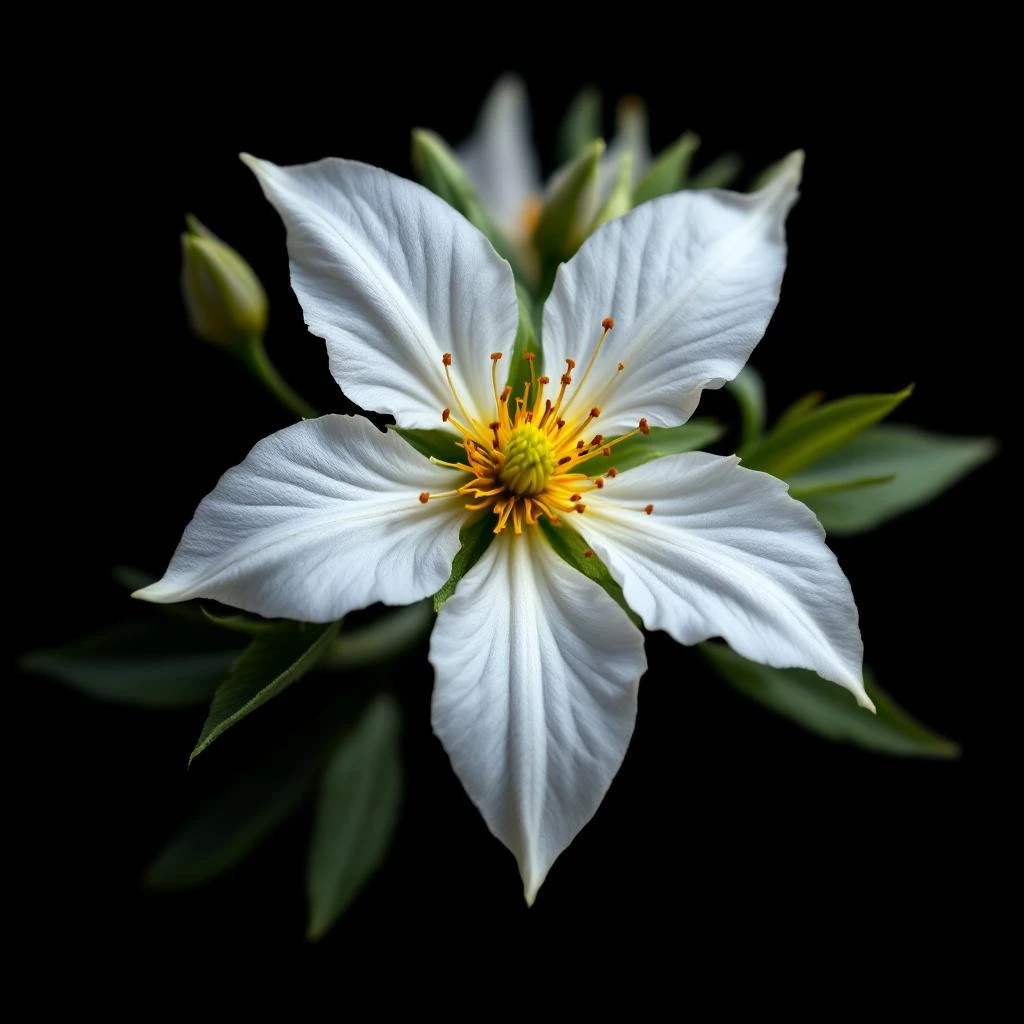
    Moroccan cistus absolute captures the resinous heart of the wild labdanum shrub, delivering a warm amber-leather scent that anchors modern compositions.

    Heritage

    Labdanum resin has traced a path from ancient altar incense to modern perfume bottles. Egyptians burned the gum as a protective offering, and hieroglyphs depict workers collecting it along the Nile's western banks. Greeks imported the resin for medicinal balms, while Romans prized it as a fixative in imperial scent mixtures. During the Middle Ages, Moorish traders carried Moroccan cistus across the Mediterranean, where it appeared in spice markets and apothecary shelves. By the 19th century, French chemists isolated the aromatic compounds and coined the name "labdanum" after the plant's Latin designation. Today, Moroccan cistus absolute remains a bridge between historic ritual use and contemporary fragrance design, echoing the same warm amber notes that ancient cultures valued for both scent and symbolic protection.

    At a Glance

    Fragrances

    1

    Feature this note

    Origin

    Morocco

    Primary source region

    Ingredient Details

    Extraction

    Solvent extraction

    Used Parts

    Dried resin flakes

    Did You Know

    "The resin that becomes Moroccan cistus absolute can weigh up to 2 kg per mature shrub, a yield that ancient traders prized for its durability in desert caravans."

    Production

    How Moroccan cistus absolute Is Made

    Moroccan cistus absolute begins with hand-picked resin from Cistus ladaniferus shrubs that grow on the rocky slopes of the Atlas Mountains. Harvesters climb the bushes in late summer and scrape the sticky gum that oozes from the stems. The raw gum dries in the sun for several days, forming brittle flakes. Workers grind the flakes and soak them in a neutral petroleum solvent, creating a thick concrete. The concrete is filtered, then washed repeatedly with ethanol; the ethanol extracts the fragrant molecules while leaving behind waxes and pigments. After evaporation of the ethanol, a dark, viscous absolute remains, containing roughly 30% labdane-type terpenes and a high proportion of amber-rich acids. The process preserves the resin's warm, leathery character and yields a product that perfumers can blend without further modification.

    Provenance

    Morocco

    Morocco31.8°N, 7.1°W

    About Moroccan cistus absolute