Character
The Story of Musk
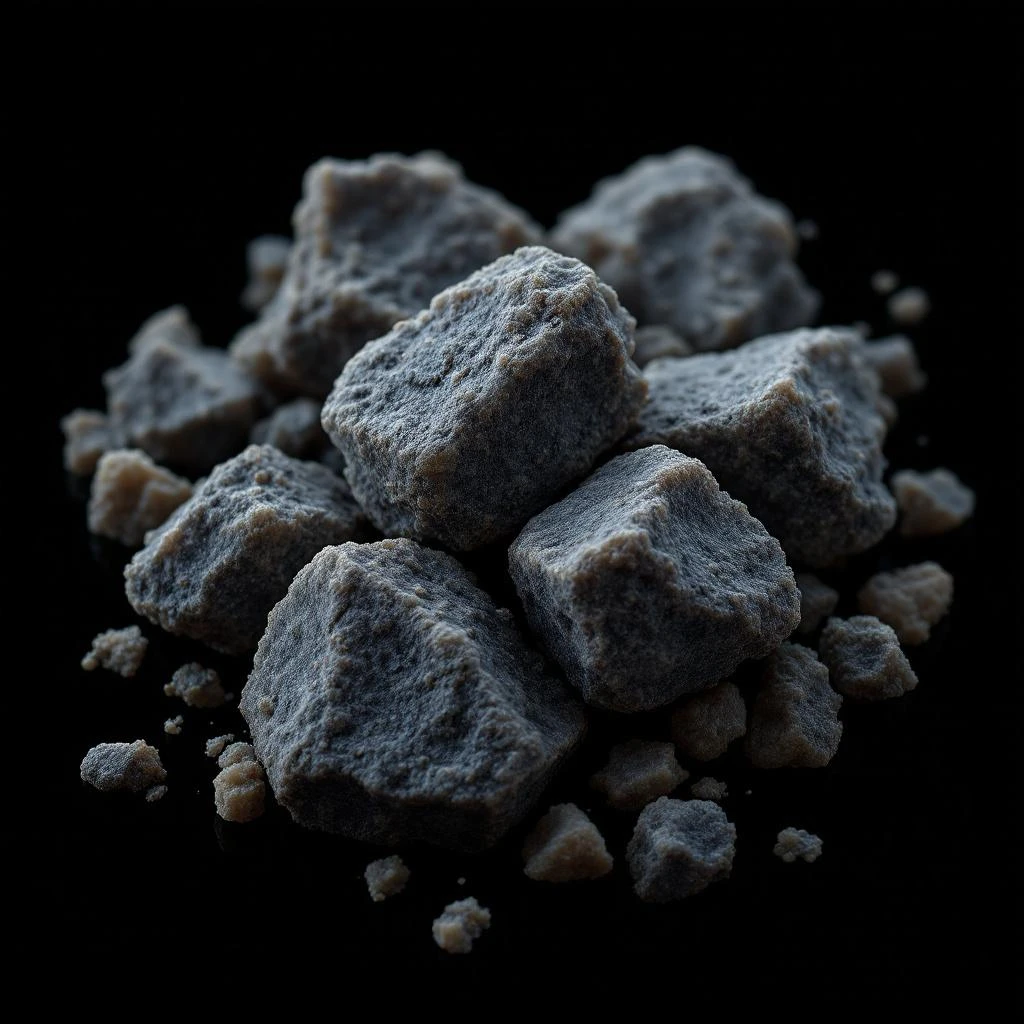
Musk is a musky note used across many perfume styles, from airy compositions to richer signatures. In practical composition work, perfumers use Musk to shape opening impression, heart diffusion, and drydown continuity depending on dosage and pairing. This material is typically sourced as synthetic, then refined for stability and olfactive consistency. Typical raw material focus includes No botanical part. Aroma molecules are produced in laboratory and industrial settings., while production commonly relies on Controlled chemical synthesis followed by purification and quality standardization.. Regional sourcing is often linked to Laboratory production (global), though quality and profile can vary by crop, harvest timing, and processing. Perfumers value Musk for how easily it can be tuned, from subtle nuance to clear signature, depending on dosage and pairing. Perfume performance depends on concentration, companion materials, and structure of the full formula, so the same note can feel luminous, creamy, fresh, spicy, or textured in different accords.
Heritage
The perfumery history of Musk reflects a long shift from traditional aromatic practices to modern fine fragrance development. Early uses of musky materials were often tied to ritual, personal care, and scented storage, with knowledge passed through craft communities rather than formal industrial standards. Over time, trade routes expanded access to raw materials and helped establish shared olfactive preferences across regions. In many records, sourcing linked to Laboratory production (global) contributed to how perfumers described quality and character, even when terminology was less standardized than today. As perfume houses formalized formula construction, Musk gained clearer functional roles inside accords. Perfumers learned how to control impact by pairing the note with contrasting textures, then balancing volatility and persistence for a smoother wear curve. The rise of analytical chemistry improved understanding of odor-active components and enabled tighter quality control. This period also introduced broader use of reconstructed profiles and performance-focused variants that made familiar olfactive ideas available with greater consistency. Creative direction remained central: historical styles evolved from dense classical structures toward fresher, cleaner, or more transparent aesthetics, and Musk adapted to each trend. In contemporary perfumery, Musk remains relevant because it bridges heritage and innovation. Brands use it to signal identity, mood, and genre while still meeting modern expectations for stability and repeatability. Historical continuity is visible in recurring accord families, while innovation appears in new extraction tools, improved materials, and refined blending techniques. This combination explains why Musk continues to appear in both timeless signatures and new releases, offering recognizable character with room for reinterpretation in each generation of fragrance design.
At a Glance
1,724
Feature this note
Musky
Olfactive group
Synthetic
Lab-crafted
Laboratory production (global)
Primary source region
Ingredient Details
Controlled chemical synthesis followed by purification and quality standardization.
No botanical part. Aroma molecules are produced in laboratory and industrial settings.
Did You Know
"Perfumers value Musk for how easily it can be tuned, from subtle nuance to clear signature, depending on dosage and pairing."
Pyramid Presence