Character
The Story of Myrrh absolute
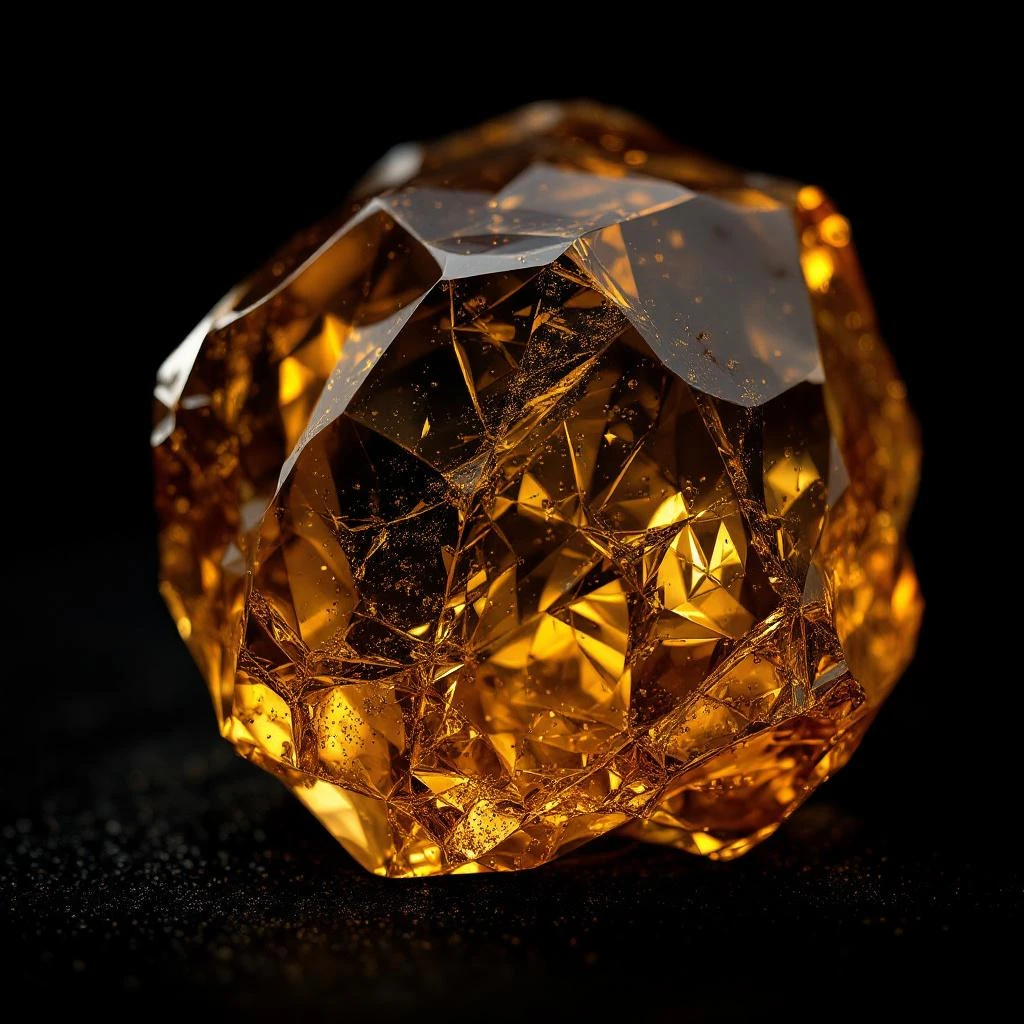
Bitter amber tears from ancient Commiphora trees. Warm, resinous, and deeply sensual, myrrh absolute carries 5,000 years of sacred tradition in every drop.
Heritage
Myrrh ranks among the oldest perfumery ingredients in human history, with documented use stretching back approximately 5,000 years. Ancient Egyptian priests employed it in kyphi temple incense and as a sacred component of their embalming rituals. Mesopotamian perfumers like Tapputi, the world's earliest recorded chemist working around 1200 BCE, incorporated myrrh into their creations for royal and religious purposes. The name derives from the Arabic word murr, meaning bitter, a direct reference to the resin's distinctive taste. Myrrh held dual associations in ancient culture: it signified death, burial, and sorrow, yet simultaneously represented healing and protection. The ancient Romans imported approximately 550 tonnes annually, testament to its cultural and economic weight. Biblical tradition marks myrrh as one of the three gifts the Magi brought to the infant Jesus, while Greek mythology transformed the tragic figure Myrrha into the tree itself, born from incest and divine curse. Prophet Muhammad reportedly advised fumigating homes with myrrh among other herbs. Throughout the ancient Mediterranean and Middle East, myrrh served simultaneously as incense, medicine, and perfume, weaving together the sacred and the sensual in a single aromatic material.
At a Glance
1
Feature this note
Somalia
Primary source region
Ingredient Details
Solvent extraction (absolute)
Dried gum-resin (bark exudate)
Did You Know
"Ancient Rome imported approximately 550 tonnes of myrrh annually for religious and public use across the empire."