Character
The Story of Nepalese Sichuan pepper
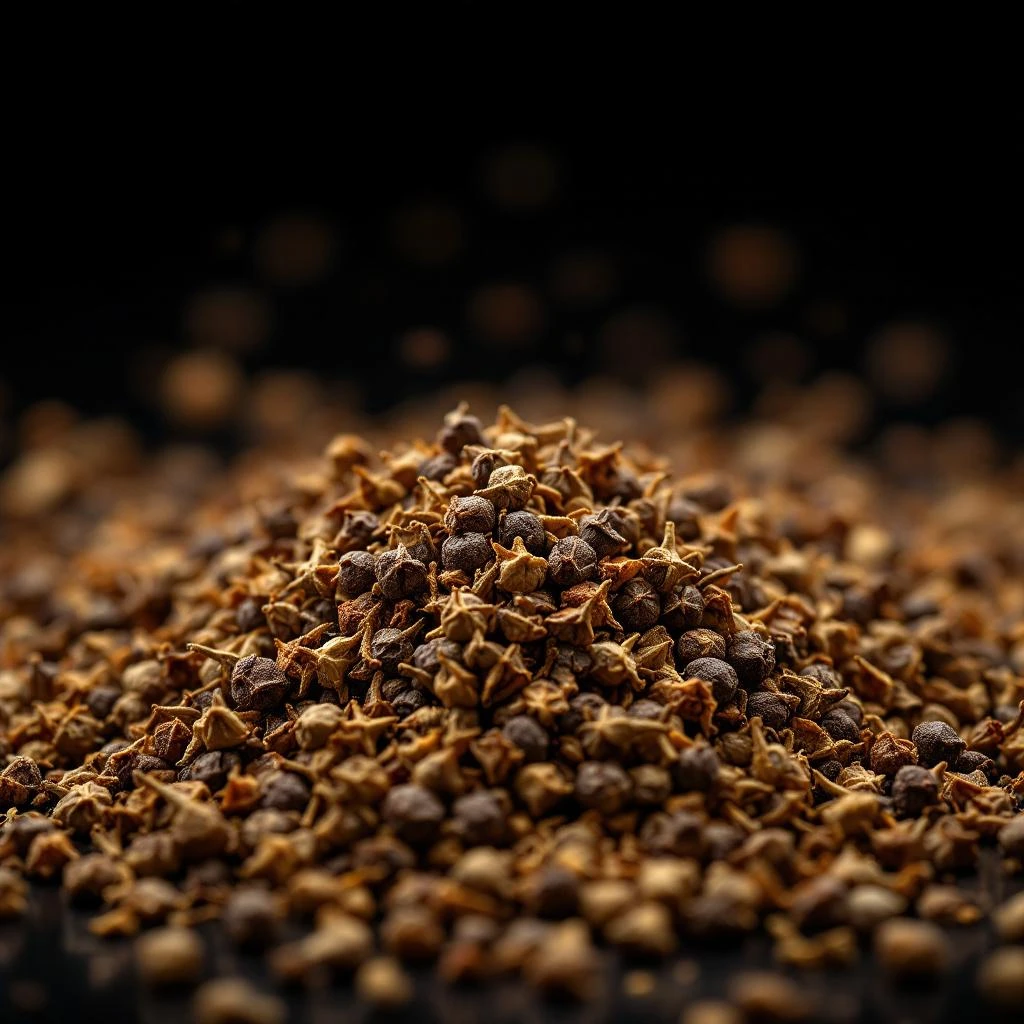
A Rutaceae family spice that smells nothing like pepper. Nepalese Sichuan pepper (Zanthoxylum armatum) delivers electric citrus brightness with a metallic, tingly character that hovers between smell and touch. Its exotic grapefruit and static charge quality has made it a signature in modern niche perfumery.
Heritage
Native to the Nepalese highlands, this Zanthoxylum species (known locally as Timur or Timut) grows on steep Himalayan slopes alongside wild grapefruit and citrus. For centuries it seasoned Himalayan and Sichuan cuisine, prized for its mouth-numbing tingle and lemony bite. Nepalese traders carried it eastward into China, where Sichuan cooks built entire flavour philosophies around its unique sensation. Despite its ancient pedigree, Western perfumers only discovered Timut pepper recently, driven by the 1990s–2000s appetite for exotic global ingredients in both gastronomy and fine fragrance. Its rise was swift: today essential oils and supercritical fluid extracts of Zanthoxylum armatum appear in nearly every major fragrance house's palette, prized for a citrus-spice profile that functions as neither pepper nor citrus but something more unsettling and alive.
At a Glance
1
Feature this note
China
Primary source region
Ingredient Details
Supercritical CO₂ extraction
Dried fruit pericarp (husk)
Did You Know
"The US banned Sichuan pepper imports for 37 years (1968–2005) over citrus canker fears before reversing the policy."