
    Ingredient Profile

    Nervous Neroli fragrance note

    Distilled from the white blossoms of the bitter orange tree, neroli captures a rare contradiction: a flower that sparks like citrus yet bloo…More

    Southeast Asia

    1

    Fragrances

    Fragrances featuring Nervous Neroli

    Character

    The Story of Nervous Neroli

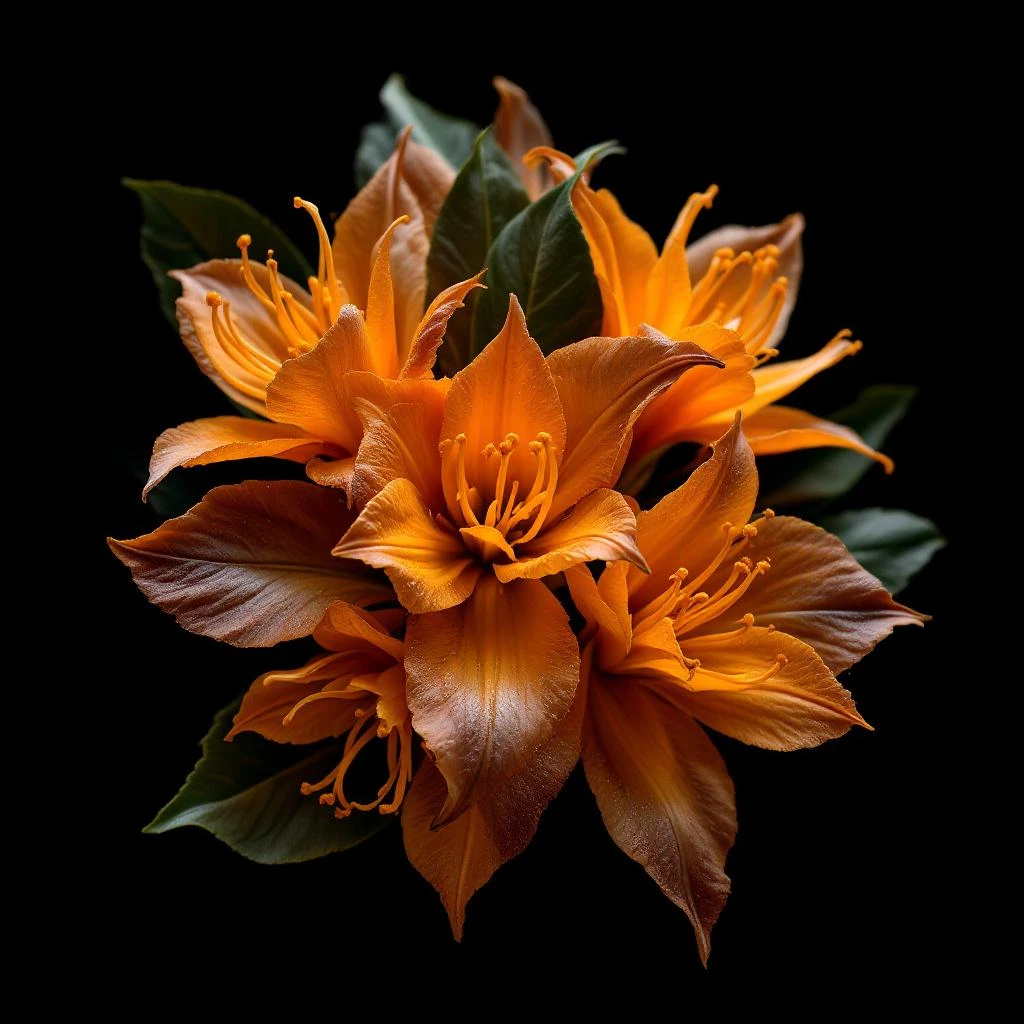
    Distilled from the white blossoms of the bitter orange tree, neroli captures a rare contradiction: a flower that sparks like citrus yet blooms with honeyed warmth. Its scent moves between fresh, spicy, and deeply floral—a duality perfumers have chased for centuries.

    Heritage

    The name neroli traces to 17th-century Italian nobility. Anne Marie Orsini, Duchess of Bracciano, popularized the bitter orange blossom as a fashionable fragrance by perfuming her gloves and bath water. Her passion earned her the title Princess Nerola, and the essence took her estate's name. Before her discovery, Arab perfumers were already distilling orange blossoms for medicinal and sacred purposes. Giovanni Maria Farina cemented neroli's place in perfumery history when he introduced it into the original Eau de Cologne in 1709. Ancient Egyptians also held this blossom in reverence, associating its fragrance with the divine and using it to scent places of worship.

    At a Glance

    Fragrances

    1

    Feature this note

    Origin

    Southeast Asia

    Primary source region

    Ingredient Details

    Extraction

    Steam distillation

    Used Parts

    Flower blossoms

    Did You Know

    "Approximately 1,000 kilograms of bitter orange blossoms yield only 1 kilogram of neroli oil through steam distillation—a ratio that explains its prized position in perfumery."

    Production

    How Nervous Neroli Is Made

    In late April through early May, harvesters gather bitter orange blossoms exclusively by hand. Workers must move quickly because the flowers begin losing their aromatic potency the moment they are picked. Producers in Morocco, Tunisia, and Egypt lead global neroli production, with Moroccan oil particularly prized for its luminous character. Steam distillation immediately follows harvest. The process separates neroli oil from orange blossom water—two valuable fragrant materials from identical botanical matter. Temperature and pressure control during distillation shapes the final aromatic profile. Extended distillation can yield more refined oil, though greater heat risk damages delicate botanical compounds. The meticulous nature of the process explains neroli's relative rarity.

    Provenance

    Southeast Asia

    Southeast Asia19.0°N, 100.0°E

    About Nervous Neroli