
Character
The Story of Night blooming Cereus
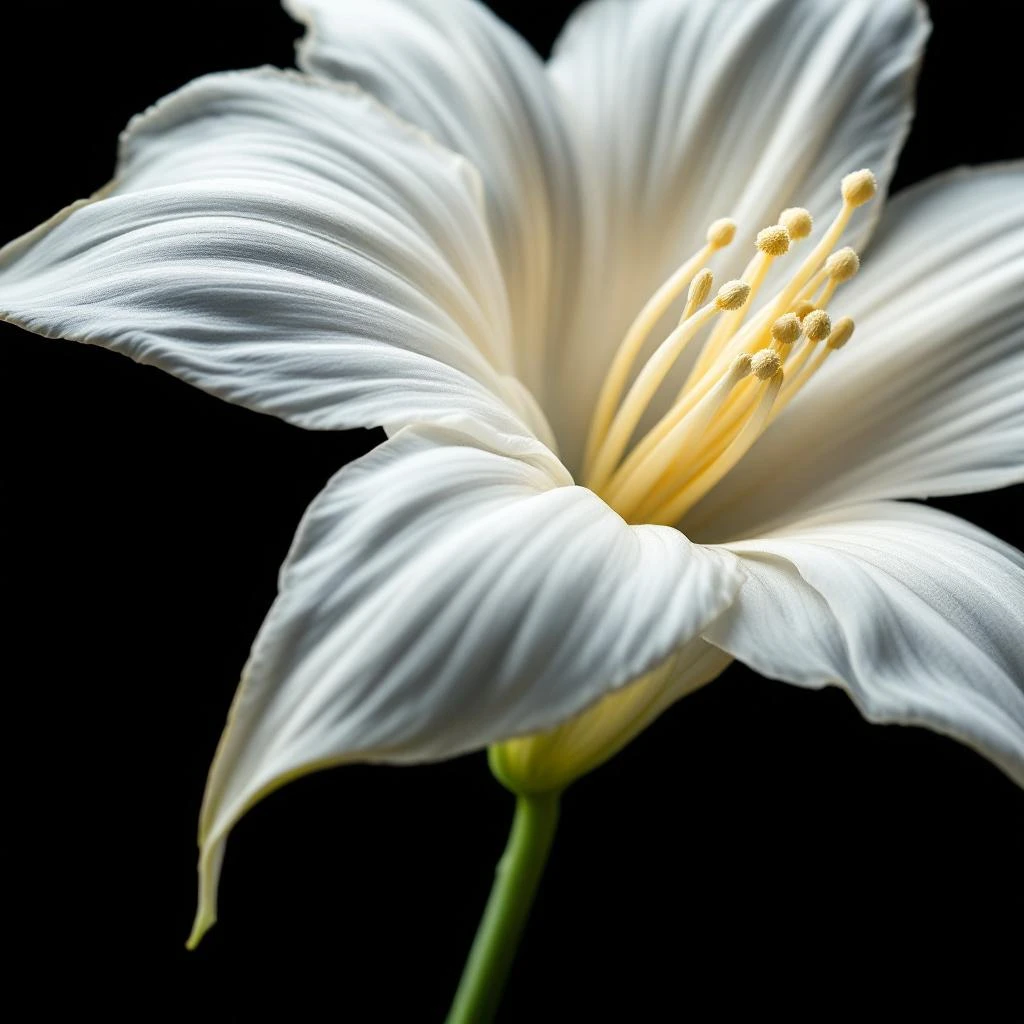
A rare nocturnal blossom that unfurls just once a year, releasing an intoxicating blend of creamy floral warmth and soft vanilla spice—nature's most fleeting and captivating fragrance.
Heritage
Known as Queen of the Night across Latin America and the American Southwest, this cactus has enchanted observers for centuries. The plant's dramatic six-hour bloom cycle turned it into a symbol of rarity and fortune—seeing one flower was considered good luck. In Hindu tradition, the plant carries the Sanskrit name Brama Kamal (ब्राह्म कमल), referencing its sacred, divine character. Victorian-era perfumers in America capitalized on its exotic appeal; an 1870s advertisement in The New York Times hawked 'Phalon's Matchless Night-Blooming Cereus' as a fashionable ladies' fragrance, one of the earliest documented uses in commercial perfumery. The flower's cultural significance spans continents, from Mexican folk medicine to Indian religious ceremonies, where its brief appearance became metaphor for life's precious, fleeting moments.
At a Glance
1
Feature this note
Mexico
Primary source region
Ingredient Details
Solvent extraction
Fresh flower blooms
Did You Know
"Each flower lives only six hours, opening at dusk and wilting by dawn—making every encounter with its scent genuinely rare."