Character
The Story of Oolong tea
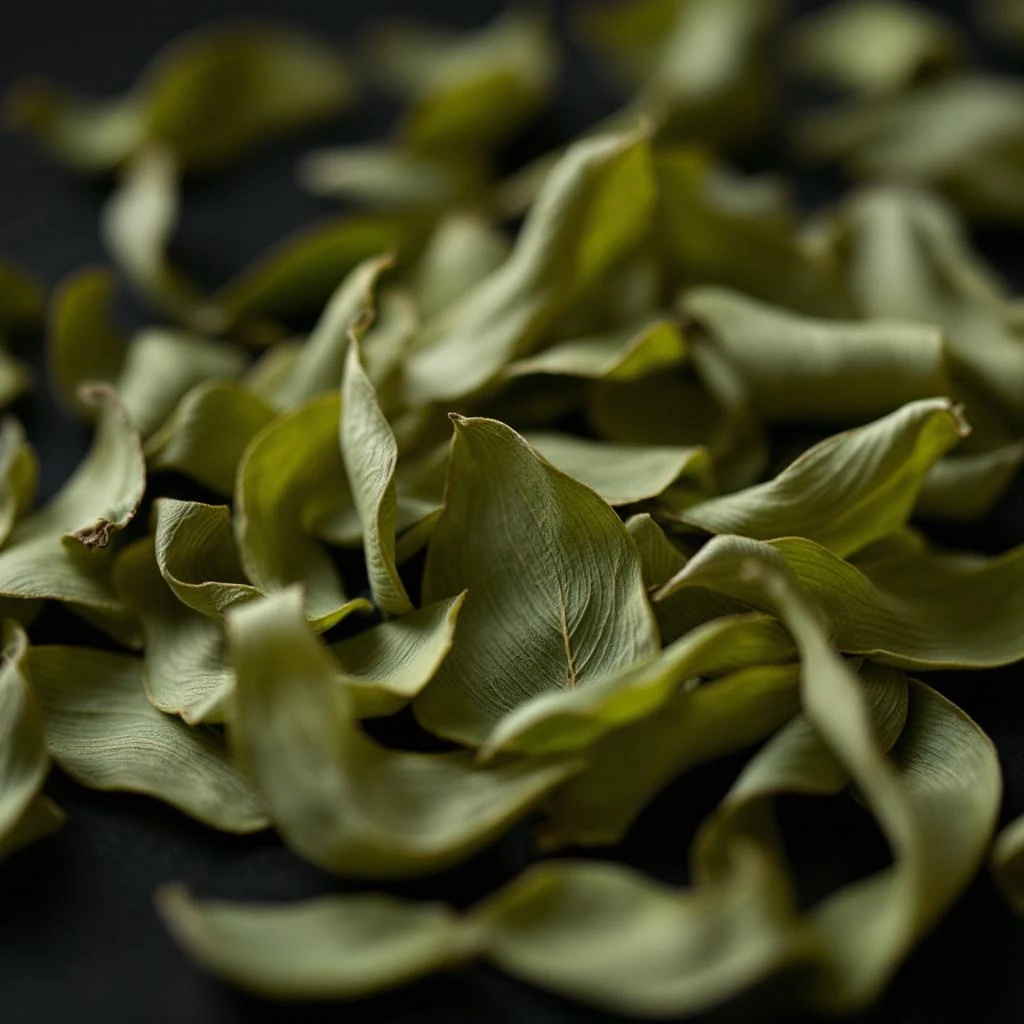
Oolong tea occupies a rare middle ground in the world of Camellia sinensis. A semi-oxidized leaf that bridges green freshness and dark richness, it produces fragrances ranging from orchid-like florals to roasted cocoa warmth.
Heritage
Oolong developed in Fujian Province during the Ming Dynasty, originally crafted exclusively for the Emperor and his court. The name wūlóngchá translates as black dragon tea, a reference to the leaf's dark, curled appearance. Over centuries, the craft flourished in Wuyi mountain monasteries where monks observed that leaves bruised during high-altitude transport developed reddish edges and stronger fragrance. This accidental discovery became the foundation of controlled zuoqing technique. In Anxi, cultivars like Tie Guan Yin and Ben Shan produce orchid-like florals, while Phoenix Mountain Dancong teas pursue singular aromatic expressions from single cloned bushes. The tea crossed to Taiwan in the 19th century and now spans multiple growing regions, yet Fujian remains the spiritual home where the gongfu ceremony celebrates its nuanced character.
At a Glance
1
Feature this note
China
Primary source region
Ingredient Details
Synthetic
Dried leaf
Did You Know
"Aroma compounds account for only 0.01% to 0.05% of dry tea weight, yet this trace fraction creates oolong's complex signature."