Character
The Story of Orange Peel
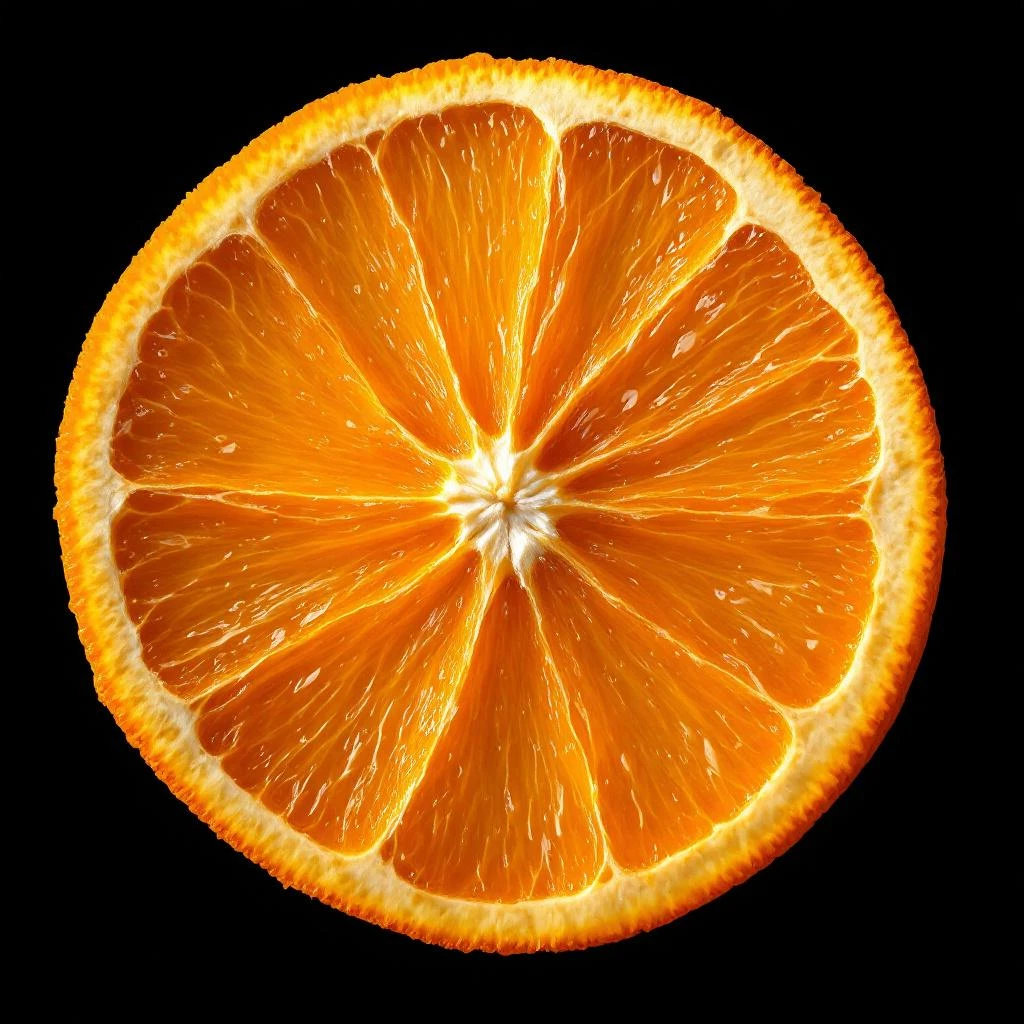
Orange peel delivers one of perfumery's most jubilant scents—a burst of tart sunshine that instantly lifts and refreshes. Extracted through cold pressing or steam distillation, this versatile citrus material has scented everything from ancient Middle Eastern courts to modern luxury fragrances.
Heritage
Orange trees traveled westward along ancient trade routes, originating in China and Southeast Asia before Islamic traders introduced them to the Middle East. Persians and Arabs cultivated bitter orange and other citrus varieties, establishing them as essential perfumery ingredients by the medieval period. Avicenna, the Persian polymath, refined steam distillation techniques during the 10th and 11th centuries, enabling more efficient extraction of fragrant oils from botanical sources. By the 13th century, when European glove-makers in Grasse sought ways to mask the foul odors of urine-tanned leather, orange blossom water became a favored fragrance material. French cultivation of orange blossom began in the early 1800s, eventually spanning roughly 600 hectares across producing regions. A harsh winter in 1956 devastated French crops, shifting production centers southward, yet orange-derived materials remained fundamental to perfumery's palette throughout subsequent centuries.
At a Glance
1
Feature this note
Brazil
Primary source region
Ingredient Details
Cold pressing and steam distillation
Fruit peel
Did You Know
"It takes roughly 50 pounds of orange peel to produce just one pound of essential oil, making each drop remarkably concentrated."