

Character
The Story of Palmarosa
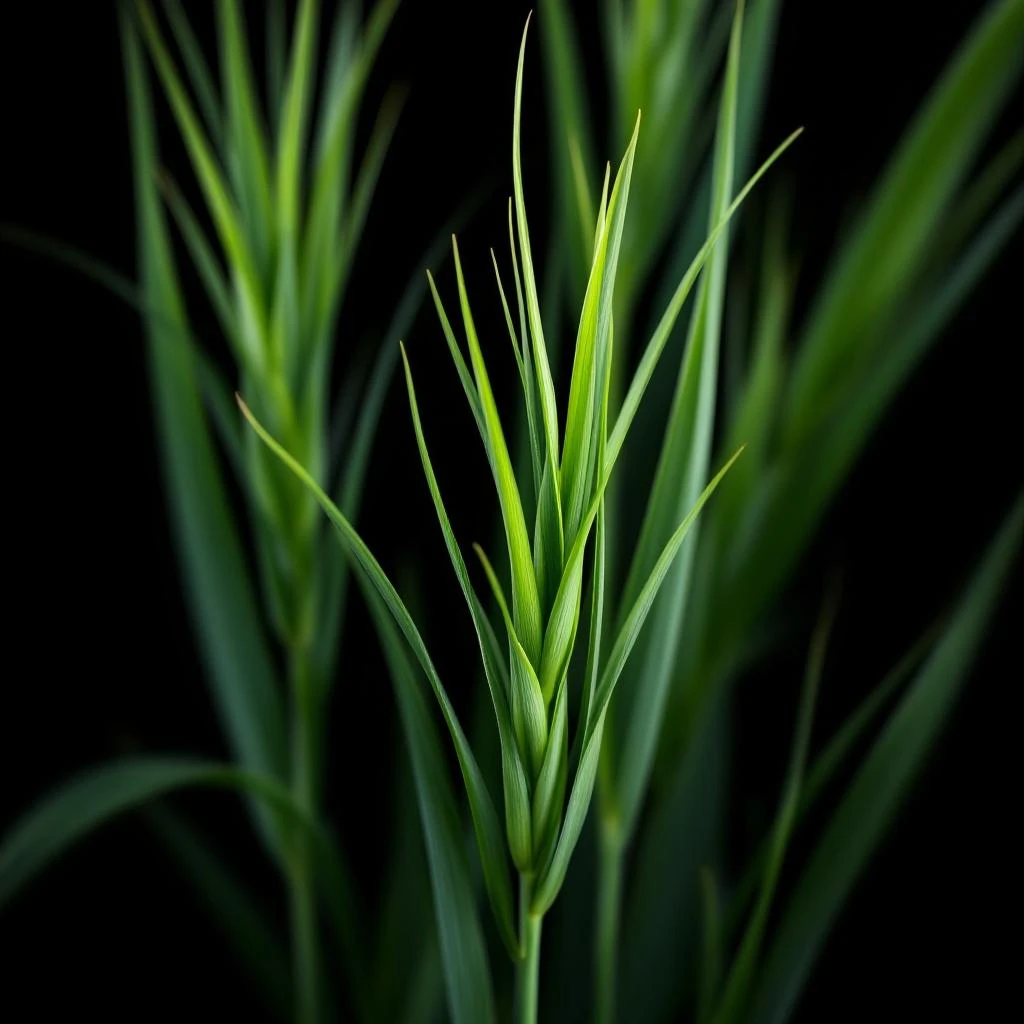
This lemon-scented grass from the Indian Himalayas distills into an oil with a rose-like sweetness that has charmed perfumers for centuries.
Heritage
Palmarosa carries the botanical name Cymbopogon martinii, named by W. Roxburgh after the plants distinctive structure, with the species name honoring General Martin who collected seed specimens in the highlands of India. Indian communities have long called this crop Russa or Rosha, pairing the Sanskrit word for grass with the rose-like quality of its scent. The distillation practices of indigenous Himalayan tribes predate commercial aromatherapy by generations. By the twentieth century, Indian-grown palmarosa had become a cornerstone raw material for the global fragrance industry, prized as a natural source of high-purity geraniol. Though sometimes positioned as an affordable rose alternative, perfumers increasingly value palmarosa for its own character: a bright, slightly wild citrus-grass note that lends complexity to rose accords rather than simply approximating them.
At a Glance
1
Feature this note
India
Primary source region
Ingredient Details
Steam distillation
Leaves, stems, and flower heads
Did You Know
"Despite being a grass, palmarosa smells so much like rose it was once used to adulterate rose Otto."