Character
The Story of Pandanus
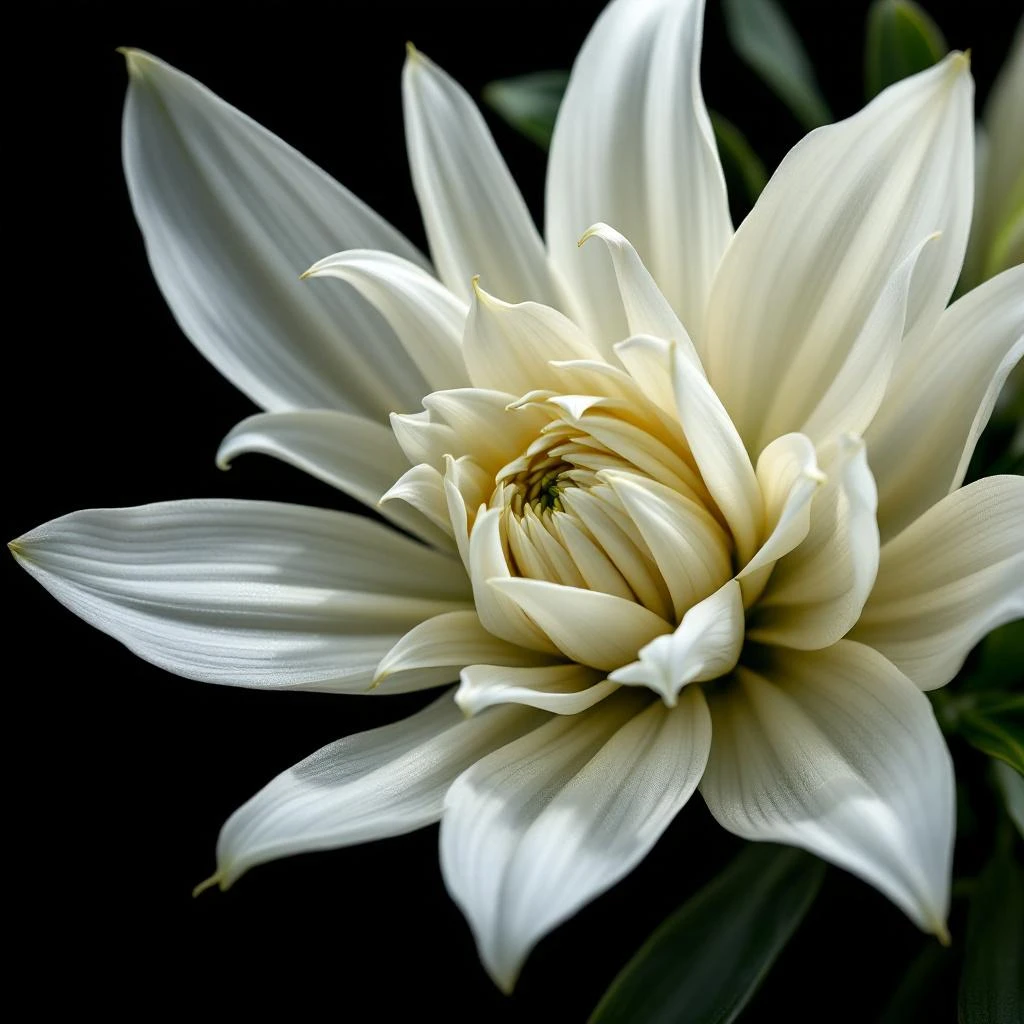
Pandanus (screw pine) yields one of India's most sacred aromatic materials. Distilled from the nocturnal blossoms of Pandanus odoratissimus, kewda attar carries a sharp, honeyed floral intensity that perfumers describe as uniquely diffusive. Few Western fragrances feature it, but those that do carry a piece of living cultural heritage.
Heritage
In India, the pandanus flower earned a place in scripture. Hindu texts describe ketaki as the bloom that was cursed after bearing false testimony in a celestial dispute. Yet that same mythology elevated the flower in temple ritual, where priests used kewda water for purification and perfumers crafted attars for royalty. The Mughals brought this practice to its height, demanding kewda preparations in courts from Delhi to Hyderabad.
For centuries, pandanus remained a distinctly South Asian material. Western perfumers seldom accessed it until the niche perfumery revival of the 1990s and 2000s brought indie brands like Aftelier and Anya's Garden to India seeking authentic materials. Social media spread awareness around 2017 when chefs and fragrance enthusiasts highlighted pandan leaf in cooking, though purists noted the ingredient was never new, only newly visible to non-Asian audiences. Today, pandanus occupies a small but growing niche in global perfumery, valued for its cultural depth alongside its unusual scent profile.
At a Glance
1
Feature this note
India
Primary source region
Ingredient Details
Enfleurage, steam distillation, cold extraction
Flowers, leaves
Did You Know
"Hindu mythology names the pandanus flower (ketaki) as the first to witness Lord Shiva, a designation that made it sacred in temple rituals for over two millennia."