
Character
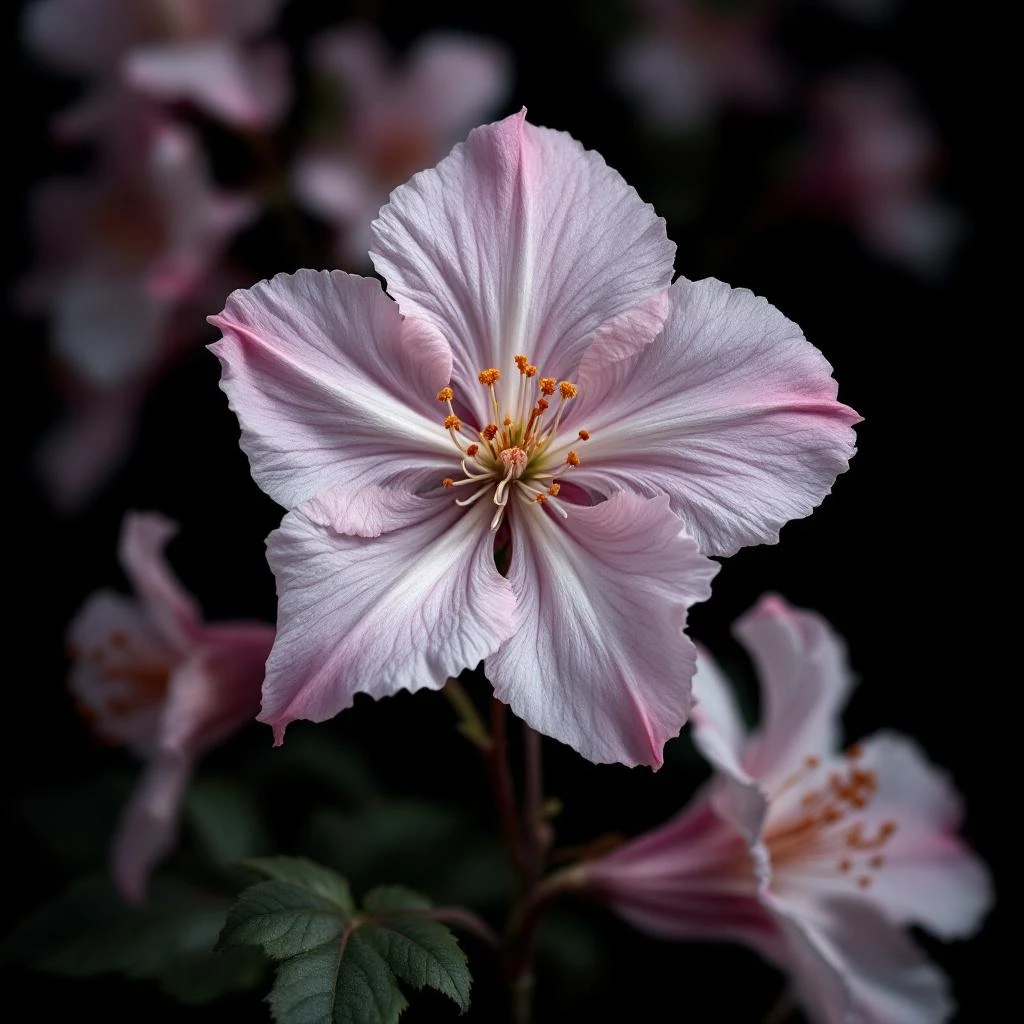
The Story of Patchouli blossom
Patchouli blossom captures the distinctive earthiness that made this Southeast Asian plant a trade treasure along the ancient Silk Road. The oil drawn from dried patchouli leaves carries a rich, complex character with subtle floral undertones that deepen with age.
Heritage
The Tamil people of South India first cultivated this member of the mint family, naming it from the Tamil word paccuḷi, meaning green. Ancient merchants placed dried patchouli leaves between folds of fine silk and cashmere, using the oil's persistence to protect fabrics from moths during long overland journeys to European markets. The material's exotic scent puzzled European traders for centuries. French perfumers only traced the mysterious fragrance to crumbled dried plant material in 1826, after decades of speculation about its origin. By the 1960s, patchouli had become intertwined with counterculture movements, yet the ingredient's story began two thousand years earlier as a practical insect repellent that transformed into a symbol of global trade and olfactory sophistication.
At a Glance
2
Feature this note
Indonesia
Primary source region
Ingredient Details
Steam distillation
Dried leaves
Did You Know
"Silk merchants in 19th century Europe initially shrouded the source of this mysterious scent, keeping the fragrant dried leaves in their luxury fabrics."