

Character
The Story of Pine needles
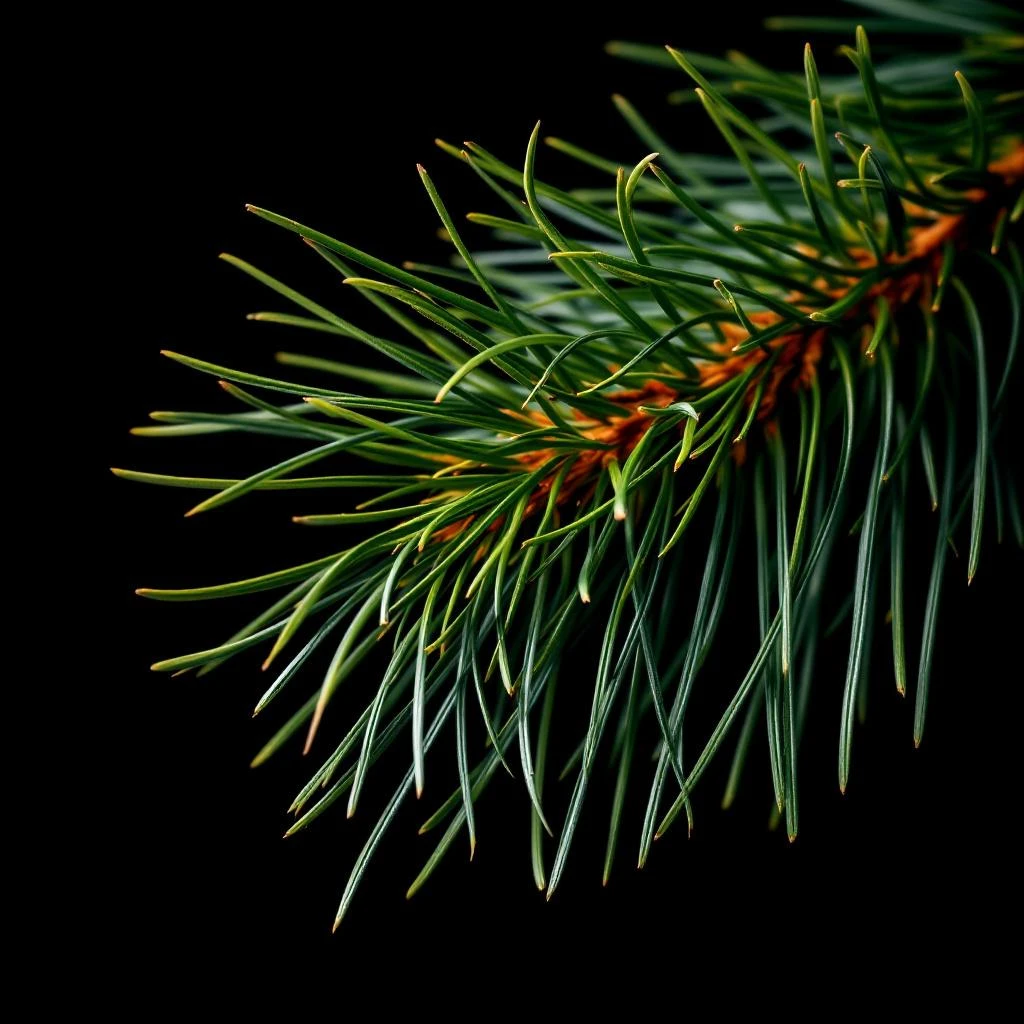
Pine needles essential oil delivers a crisp, evergreen fragrance with sharp conifer character and a fresh, resinous backbone. Steam distilled from Pinus sylvestris needles, it bridges aromatic and woody fragrance families while providing natural antiseptic properties. A staple in masculine colognes, forest-inspired compositions, and seasonal winter fragrances.
Heritage
The word pine derives from the Latin pinus, meaning resinous tree, a designation that has remained unchanged for millennia. Ancient Egyptian texts document pine resin use in embalming and religious ceremonies, while Greek and Roman physicians prized the essential oil for its antiseptic properties. Soldiers carried pine resin into battle for wound treatment, and the Greeks burned pine needles in sacred rituals.
Medieval Europeans faced persistent urban odors from inadequate sanitation, and pine oil served the practical function of masking these smells. Monastic herbalists cultivated pine trees specifically for medicinal preparations that treated respiratory ailments. By the eighteenth century, perfumers began systematically incorporating pine needle oil into masculine fragrances, establishing an aromatic tradition that continues today.
Pinus sylvestris holds the distinction of being the only pine native to Britain and northern Europe. The tree has demonstrated remarkable adaptability, naturalizing across an extraordinary geographic range from Scotland to the Pacific coast and from Scandinavian Arctic regions to the Mediterranean. This widespread presence ensured multiple cultures developed independent relationships with the tree, leaving distinct marks on regional traditions from Native American smoke ceremonies to Scandinavian winter festivals.
Contemporary perfumers return to pine needle oil for its authenticity as a natural ingredient and its alignment with consumer demand for sustainable, botanical fragrance components over synthetic alternatives.
At a Glance
1
Feature this note
France
Primary source region
Ingredient Details
Steam distillation
Needles and twigs
Did You Know
"Pinus sylvestris has the widest natural distribution of any pine species, growing from Scotland across northern Europe to Siberia, and individual trees have survived temperatures as low as -83 degrees Fahrenheit in eastern Siberia."