    Ingredient Profile

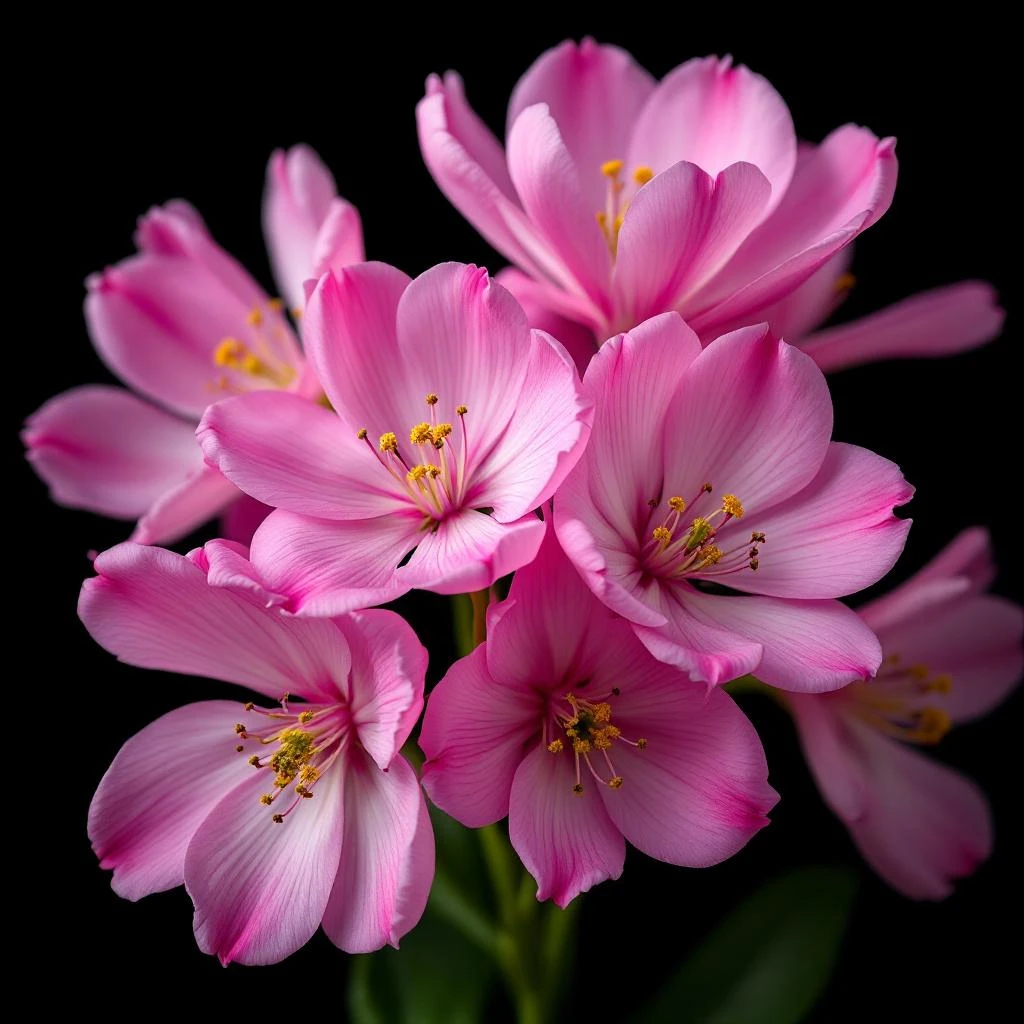
    Pink cyclamen fragrance note

    Pink cyclamen delivers a crisp, sweet-green aroma that balances fresh floral brightness with a subtle herbaceous edge, making it a signature…More

    Turkey

    1

    Fragrances

    Fragrances featuring Pink cyclamen

    Character

    The Story of Pink cyclamen

    Pink cyclamen delivers a crisp, sweet-green aroma that balances fresh floral brightness with a subtle herbaceous edge, making it a signature lift in modern perfume compositions.

    Heritage

    Cyclamen has been admired as an ornamental plant since ancient Greece, where it symbolized love and rebirth. The scent, however, remained elusive until the mid‑20th century. In 1955, German chemist Gerhard Hesse filed the first patent for cyclamen aldehyde, a molecule that captured the flower’s fresh, green character. The breakthrough allowed perfumers to add a new dimension to floral and spicy compositions, expanding the palette beyond rose and jasmine. By the 1970s, pink cyclamen appeared in iconic fragrances such as "Eau de Cyclamen" by a leading French house, cementing its role as a modern classic. Over the following decades, the note helped define the bright, airy style of 1990s couture perfumes, and it continues to be a go‑to ingredient for designers seeking a clean, uplifting accent.

    At a Glance

    Fragrances

    1

    Feature this note

    Origin

    Turkey

    Primary source region

    Ingredient Details

    Extraction

    Synthetic

    Used Parts

    Synthetic molecule (cyclamen aldehyde)

    Did You Know

    "Cyclamen aldehyde, the synthetic heart of pink cyclamen, was first patented in 1955 and now appears in over 40 % of contemporary floral fragrances."

    Production

    How Pink cyclamen Is Made

    The pink cyclamen note is created almost exclusively through synthetic chemistry. Cyclamen aldehyde, a key molecule, is assembled from petrochemical feedstocks in a multi‑step reaction that introduces a distinctive aldehydic group. The process begins with the condensation of phenylacetaldehyde and a protected cyclopentene, followed by oxidation and purification via fractional distillation. Each batch undergoes gas chromatography to verify purity, typically exceeding 98 % by weight. Because the natural flower yields only trace amounts of the target scent, the synthetic route supplies consistent material for large‑scale perfume production while keeping the ecological footprint lower than wild harvesting. Quality control labs test for residual solvents, ensuring the final ingredient meets IFRA safety standards before it reaches formulators.

    Provenance

    Turkey

    Turkey39.0°N, 35.2°E

    About Pink cyclamen