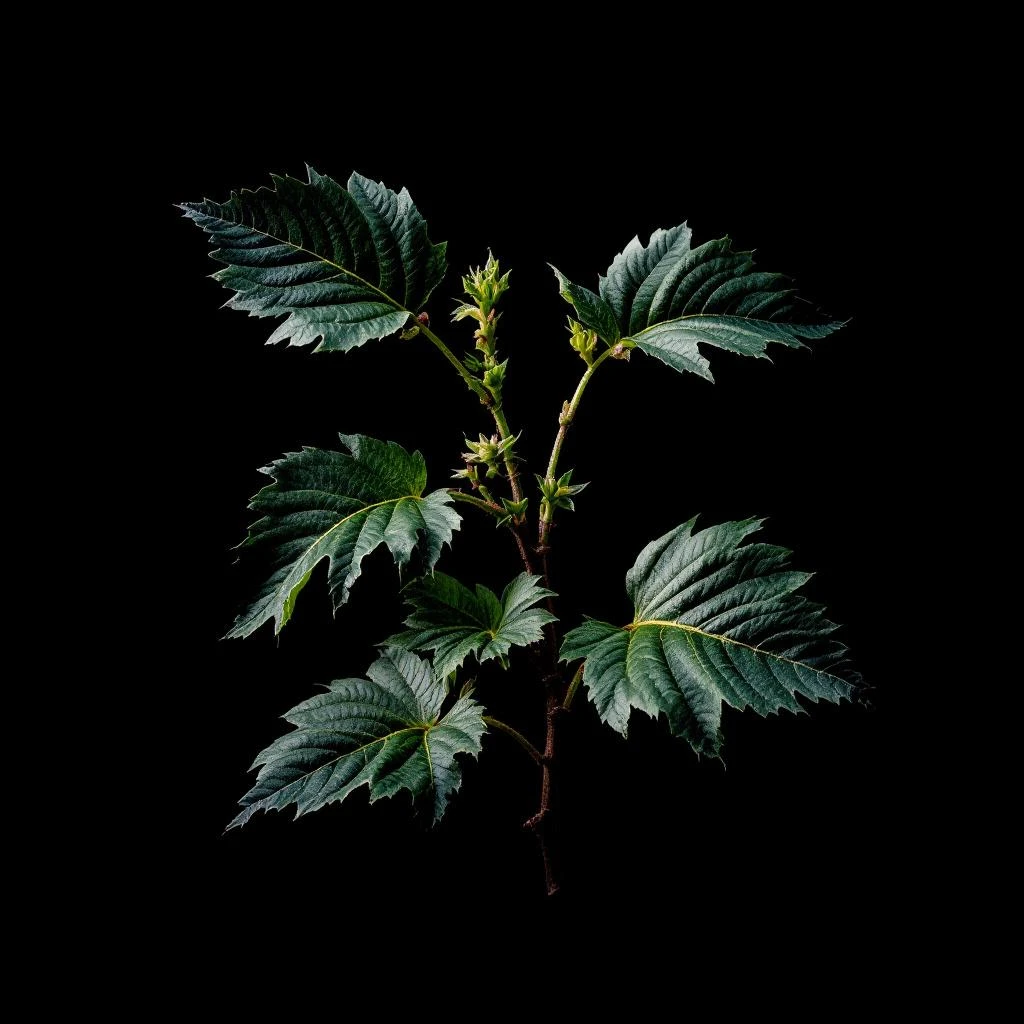



Character
The Story of Pitosporum
A refined botanical note from East Asia's fragrant pittosporum shrub, prized in fine fragrance for its intensely green, luminous character. Delicate white flowers and glossy foliage inspire this sophisticated accord.
Heritage
Pittosporum has deep roots in East Asian horticulture and traditional medicine. Japanese and Chinese healers used various species for respiratory and inflammatory conditions for centuries, though fragrance applications remained modest until modern perfumery developed. Pittosporum tobira, native to Japan, China, and Taiwan, became the primary species of interest for fragrance development. The note gained prominence during the 1980s and 1990s, particularly within Japanese and European niche perfumery circles seeking alternatives to conventional green accords. Its introduction coincided with a broader movement toward botanical authenticity in fragrance, though the practical challenges of natural sourcing pushed perfumers toward synthetic interpretation. Today, pittosporum appears primarily in high-end fragrances as a sophisticated heart note, valued for its ability to add transparency without heaviness.
At a Glance
2
Feature this note
Japan
Primary source region
Ingredient Details
Synthetic
Flowers and foliage (replicated through aromachemistry)
Did You Know
"Pittosporum flowers emit their fragrance most strongly at night, attracting nocturnal pollinators in their native East Asian habitats."