Character
The Story of Pomarose
Pomarose is a high-impact captive fragrance molecule patented by Givaudan that delivers a powerful fruity-rose profile with distinct apple, plum, and raisin nuances. This synthetic note bridges the gap between fresh fruit and elegant florals, offering perfumers a versatile tool for adding modern brightness and longevity to compositions.
Heritage
Pomarose represents a pivotal moment in the evolution of rose chemistry within perfumery. Its development built upon foundations laid in the 1960s when researchers at Givaudan first analyzed Bulgarian rose essence and identified rose ketones like damascone, revolutionizing how perfumers could replicate the scent of rose oil. While damascone brought realism to rose accords, Pomarose introduced something new: a distinctive dried-fruit character that expanded the possibilities for both feminine and masculine fragrances.
The molecule made its commercial debut in DKNY's Be Delicious Men (2004), where its unique profile helped define a new direction in men's perfumery. Two years later, P. Diddy's Unforgivable Man (2006) featured Pomarose in notably high concentrations, demonstrating its versatility and appeal in masculine compositions. These early applications proved that fruity-rose notes could transcend traditional gender boundaries in fragrance.
Pomarose arrived at an important inflection point for the industry. As perfume houses sought modern materials with better stability and diffusion than naturals could provide, captive molecules like Pomarose offered competitive advantages. The note bridged the gap between the fresh fruitiness popular in feminine fragrances and the refined elegance expected in masculine scents.
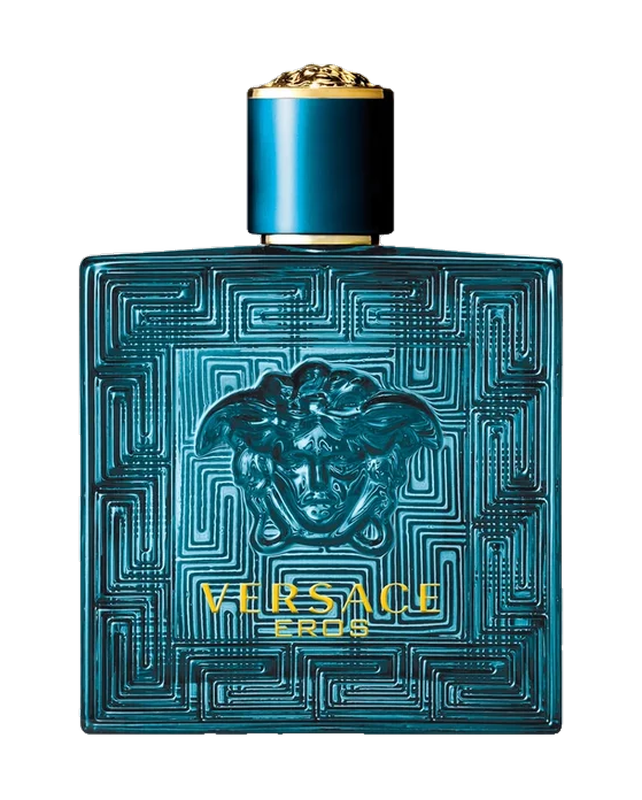
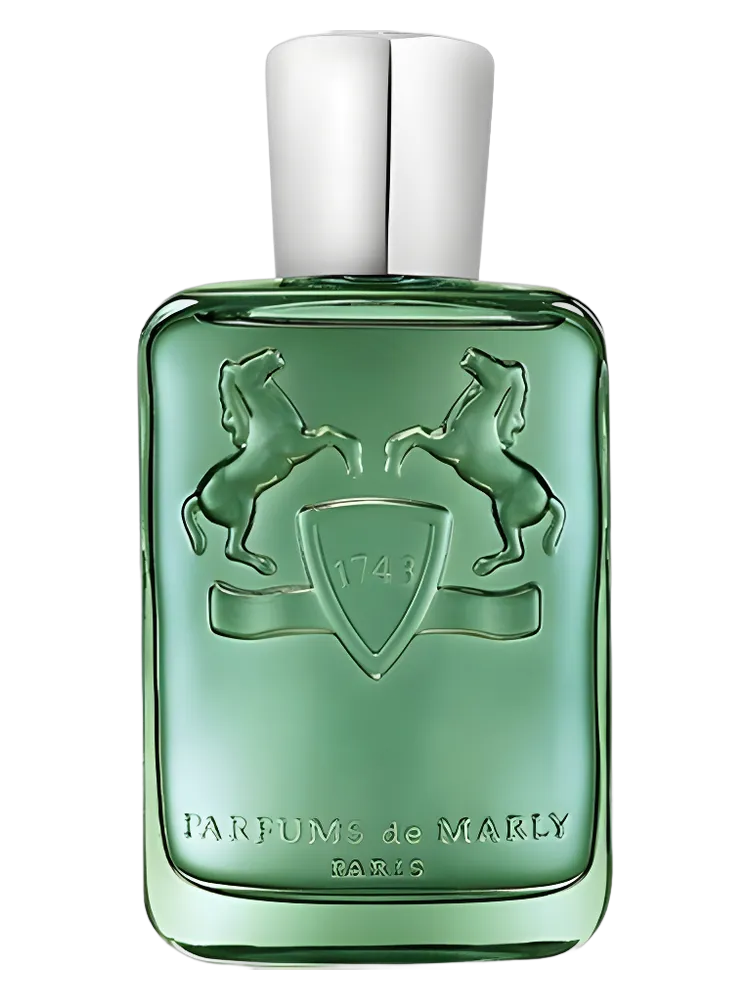
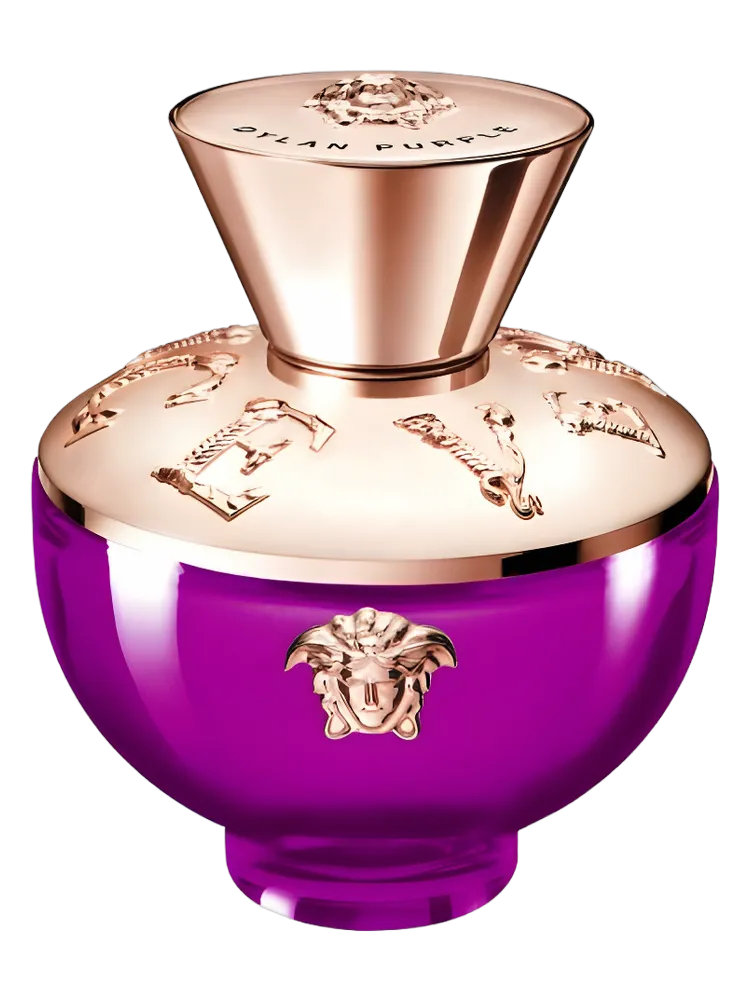
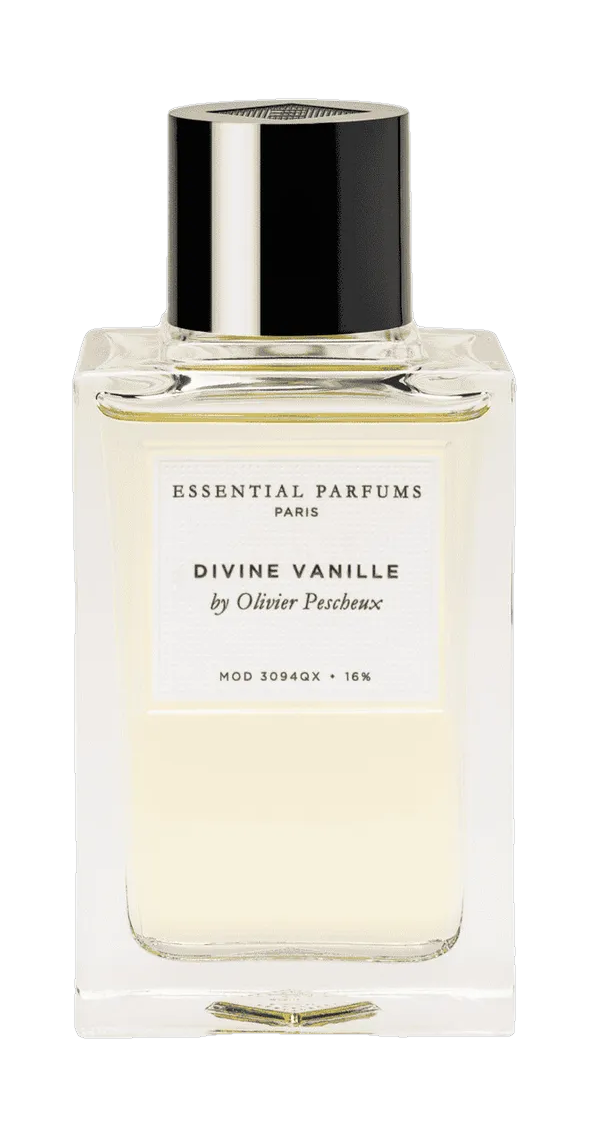
Today, Pomarose appears in notable fragrances across the spectrum. Parfums de Marly's Greenley, Versace Pour Femme Dylan Purple, Essential Parfums' Divine Vanille, and Les Liquides Imaginaires' Ame Du Coeur all showcase its adaptability. The molecule continues to exemplify how synthetic innovation drives creative possibility, allowing perfumers to craft accords impossible to achieve with natural materials alone. Its story illustrates the marriage of analytical precision, creative curiosity, and commercial vision that defines modern fragrance chemistry.
At a Glance
4
Feature this note
Floral
Olfactive group
Synthetic
Lab-crafted
Switzerland
Primary source region
Ingredient Details
Chemical synthesis (multi-step organic synthesis)
Synthetic molecule (no natural source)
Did You Know
"Pomarose was discovered almost by accident when chemist Philip Kraft analyzed an unknown trace component in a reaction mixture. After synthesizing the structure 'for fun,' the team discovered an exceptionally potent molecule that required testing 19 different production routes before successful commercial scaling."