Character
The Story of Precious woods
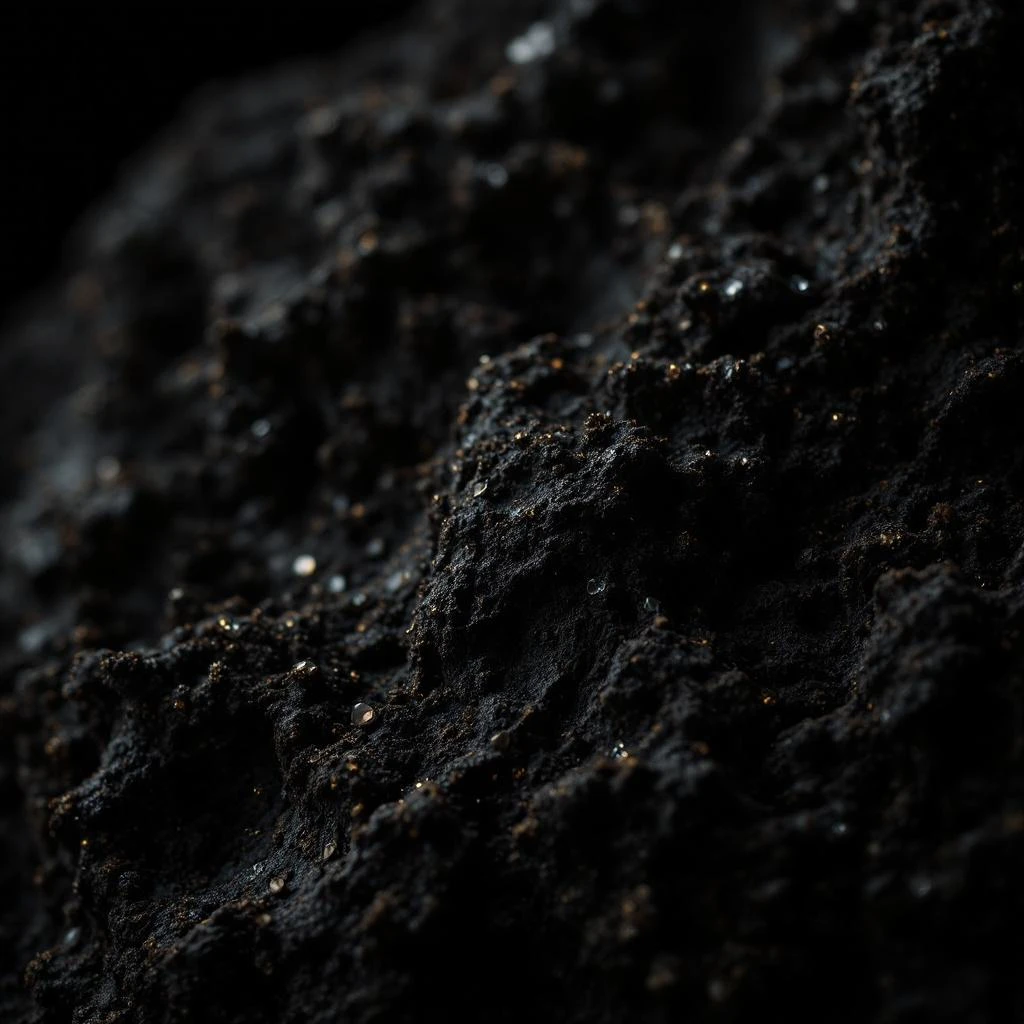
Precious woods, primarily oud (agarwood), rank among the rarest fragrance ingredients on earth. When Aquilaria trees become infected with specific fungi, they produce a protective resin forming this coveted material. Its deep, complex scent profile makes it a prized base note in luxury perfumery, valued for both its aroma and exceptional fixative properties.
Heritage
Oud has perfumed human ritual for millennia. References appear in Sanskrit texts, the Bible, and ancient Islamic traditions, where it became one of four sacred fragrance ingredients. Buddhist practitioners burn oud during meditation, believing its smoke aids spiritual focus. In Japan, the Kodo ceremony incorporates burning wood and resins into contemplative practice. Oud entered Western perfumery relatively recently, debuting in YSL's M7 in 2002. The fragrance industry has since embraced it as a symbol of oriental luxury. Despite its prestige, most Western perfumes marketed as containing oud actually feature synthetic reconstructions using cedarwood, sandalwood, and aromatic molecules that approximate its woody character. True oud oil, with its 70-plus complex compounds, remains the domain of high-end niche houses.
At a Glance
1
Feature this note
India
Primary source region
Ingredient Details
Steam distillation
Heartwood (infected resin-soaked wood)
Did You Know
"Oud exceeds gold in value, sometimes reaching US$1,000 per gram on the commodity market."