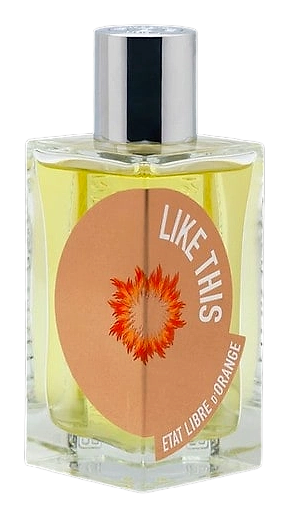
Character
The Story of Pumpkin
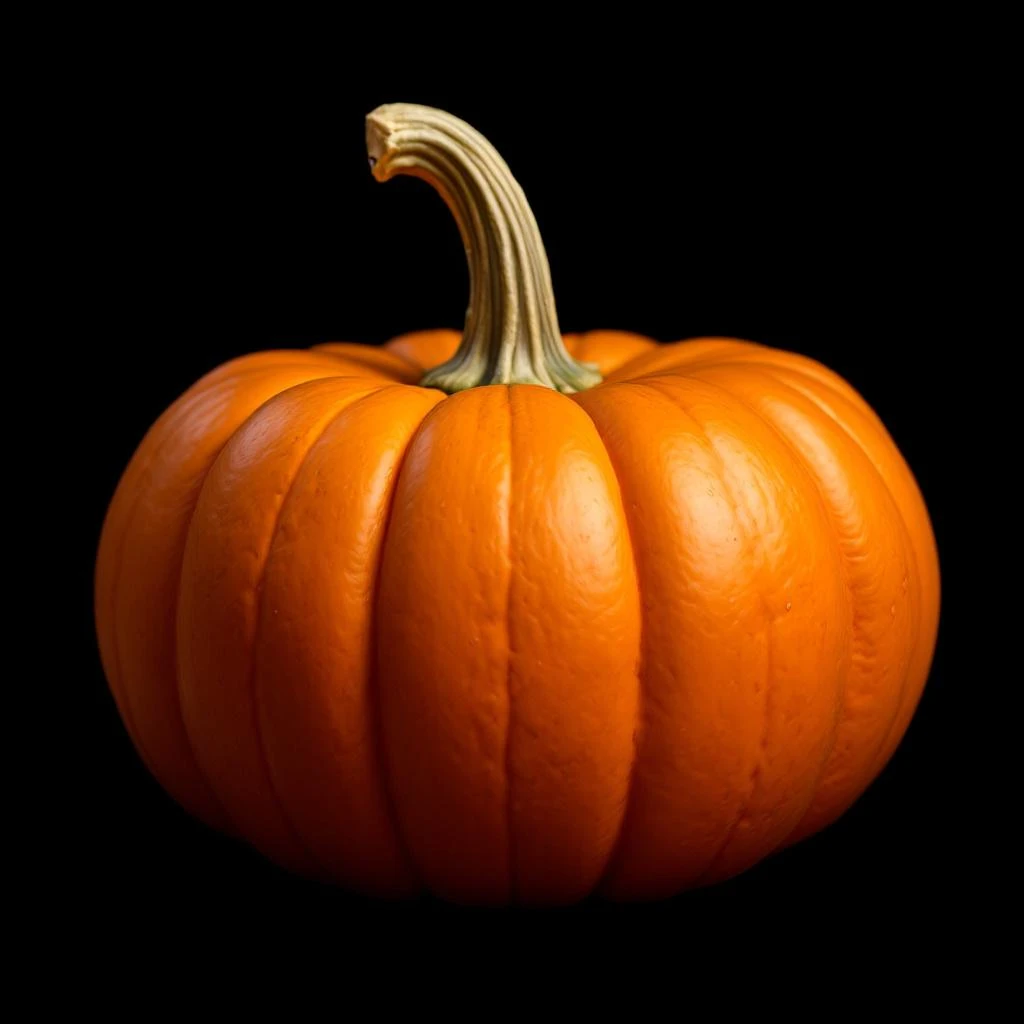
Pumpkin brings a warm, earthy sweetness to fragrance, echoing the crisp harvest fields of Mesoamerica while offering a subtle nutty depth that anchors modern compositions.
Heritage
Pumpkin first entered human culture as a staple food in ancient Mesoamerica, where it supported large settlements for millennia. Archaeologists uncovered pumpkin seeds in burial sites dating to 700 BCE, indicating its valued status. Early societies roasted the flesh and burned the seeds in ceremonial fires, releasing a scent that marked seasonal rites. When Spanish explorers carried pumpkin northward in the 16th century, the fruit reached Europe and later Asia, where it appeared in culinary and medicinal texts. The first recorded use of pumpkin aroma in a perfume dates to 1923, when a French atelier blended a tiny amount of pumpkin seed oil with amber and spice to create a festive winter scent. Interest surged in the 2010s as niche houses sought earthy, seasonal notes, and they began experimenting with CO2 extracts and synthetic accords to capture the fruit’s comforting profile. Today, pumpkin sits alongside classic ingredients like sandalwood and vanilla, offering a modern nod to its ancient roots.
At a Glance
4
Feature this note
Mexico
Primary source region
Ingredient Details
CO2 extraction
Dried pumpkin flesh and seeds
Did You Know
"Pumpkin seeds contain over 30 volatile compounds, but only a handful survive extraction to create the recognizable scent used in perfumery."
Pyramid Presence