Character
The Story of Rangoon Creeper
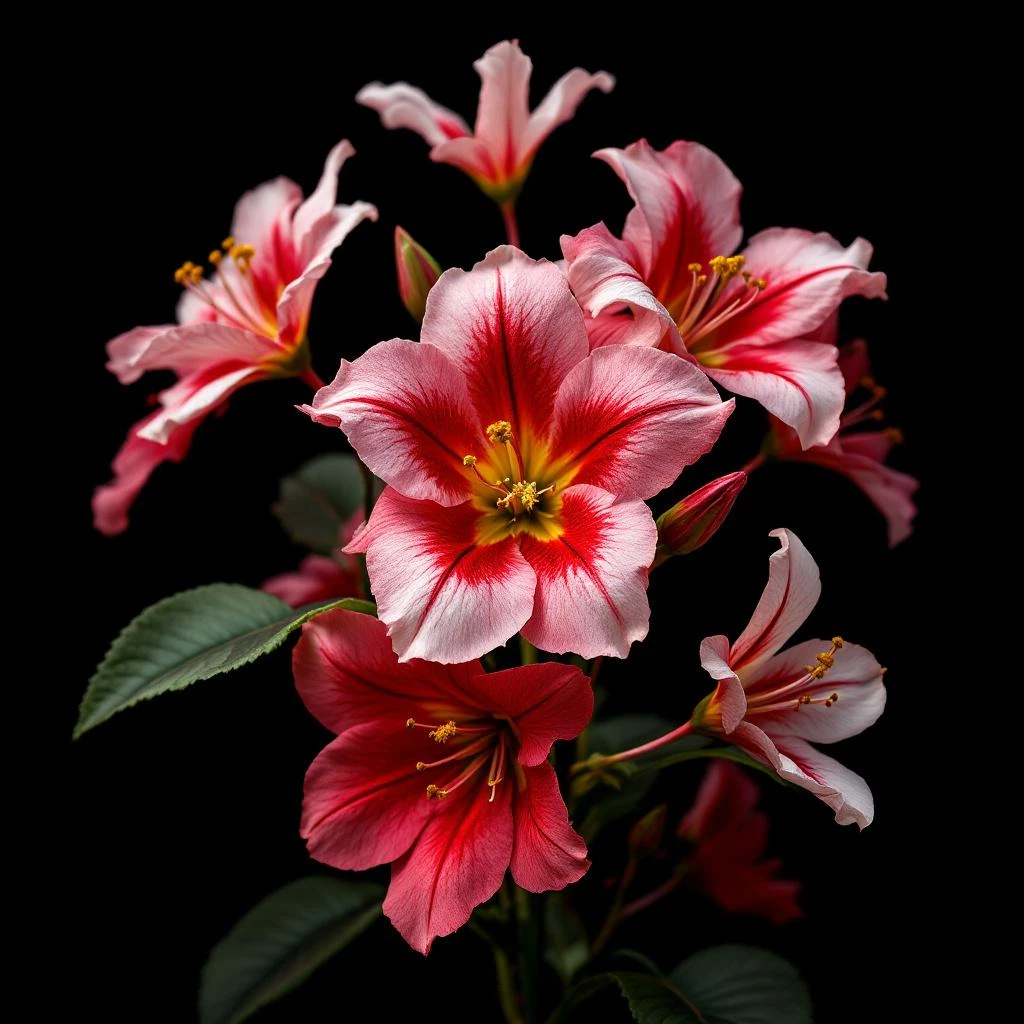
Rangoon Creeper (Combretum indicum) is a tropical climbing vine native to South India, Malaysia, and the Philippines. Its tubular flowers open white at dusk, deepen to pink, and arrive at deep crimson by morning. The scent combines sweet, fruity, and floral layers—evoking ripe guava, toasted coconut, and warm tropical night air. Until recently, the flower had never been captured for commercial perfumery. The name "Rangoon" references Yangon, Myanmar.
Heritage
Rangoon Creeper carries a botanical identity crisis in its scientific name. Early European horticulturists encountered the plant in Malaysia, the Philippines, and South India and could not reconcile its appearance across different growth stages—as a climbing vine, a shrub, and a small tree. The original classification Quisqualis indica literally means "Who? What? of India," reflecting that bewilderment. The plant has since been renamed Combretum indicum, but the original nomenclature preserves a record of that early confusion. For centuries, the vine was valued in Southeast Asian and South Asian gardens for its ornamental beauty and nocturnal fragrance. Local medicinal traditions used various parts of the plant. The flower's journey into Western perfumery required a leap of analytical technology—headspace capture—which allowed perfumers to study and recreate a scent that conventional extraction could not reliably deliver. Rangoon Creeper entered the professional fragrance lexicon only in 2017, making it one of the newest ingredients in modern perfumery, despite the plant's centuries of regional cultivation.
At a Glance
1
Feature this note
India
Primary source region
Ingredient Details
Headspace technology
Flowers
Did You Know
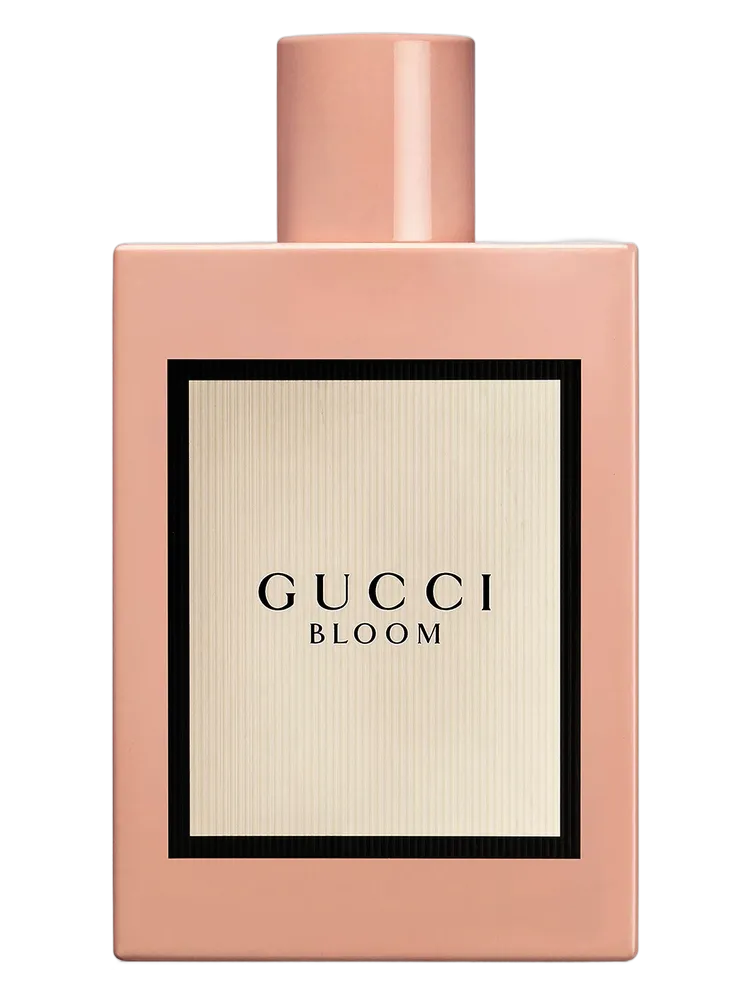
"Rangoon Creeper flowers change color daily—opening white at dusk and deepening to crimson by the next morning. This 24-hour transformation inspired the scent arc in Gucci Bloom."