Character
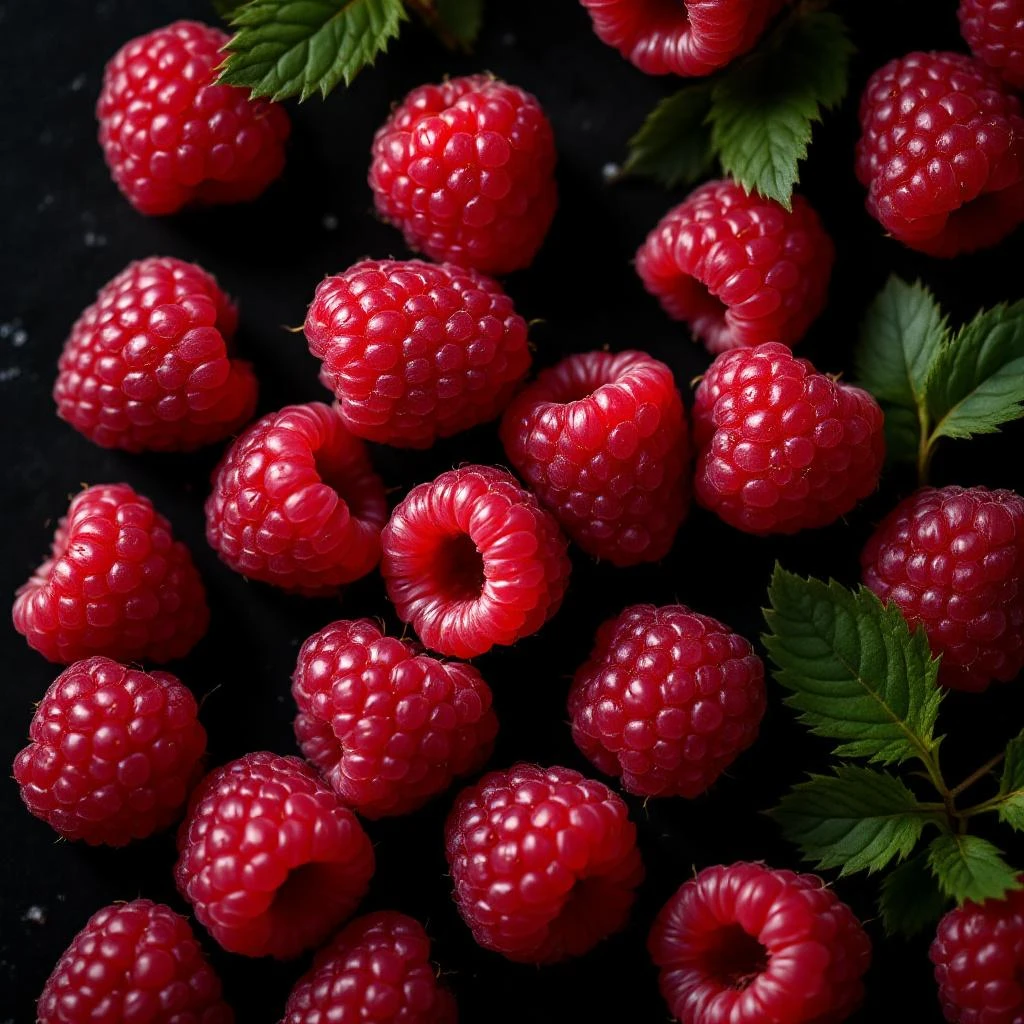
The Story of Raspberry Blossom
A bright, green-floral note capturing the delicate scent of raspberry flowers. Unlike the berry itself, the blossom offers a subtler, more aromatic profile with subtle fruit undertones that perfumers prize for its freshness.
Heritage
Raspberry cultivation traces back to ancient Greek and Roman gardens, with Rubus idaeus native to Europe and northern Asia. While the Greeks and Romans valued rose and spices for perfumery, raspberry flowers remained largely unexplored by early perfumers. The late 19th century brought new extraction technologies to Grasse, France, allowing perfumers to work with delicate florals beyond traditional materials. Yet raspberry blossom never became a staple ingredient. As one source notes, it is impossible to extract essential oil from the raspberry itself, and the blossom remains a rare, specialized material. Most raspberry accords in contemporary perfumery descend from synthetics developed alongside vanillin and coumarin in the 1870s-1890s, when modern perfumery took shape. Today, raspberry blossom endures as a niche material, valued for its green-floral character that synthetic raspberry ketone alone cannot fully replicate.
At a Glance
2
Feature this note
France
Primary source region
Ingredient Details
Solvent extraction (for natural) / Synthetic aroma chemistry
Flower blossoms
Did You Know
"Raspberry blossoms contain different aromatic compounds than the fruit, giving perfumers a green-floral dimension that the berry alone cannot provide."