
Character
The Story of Red Cedar
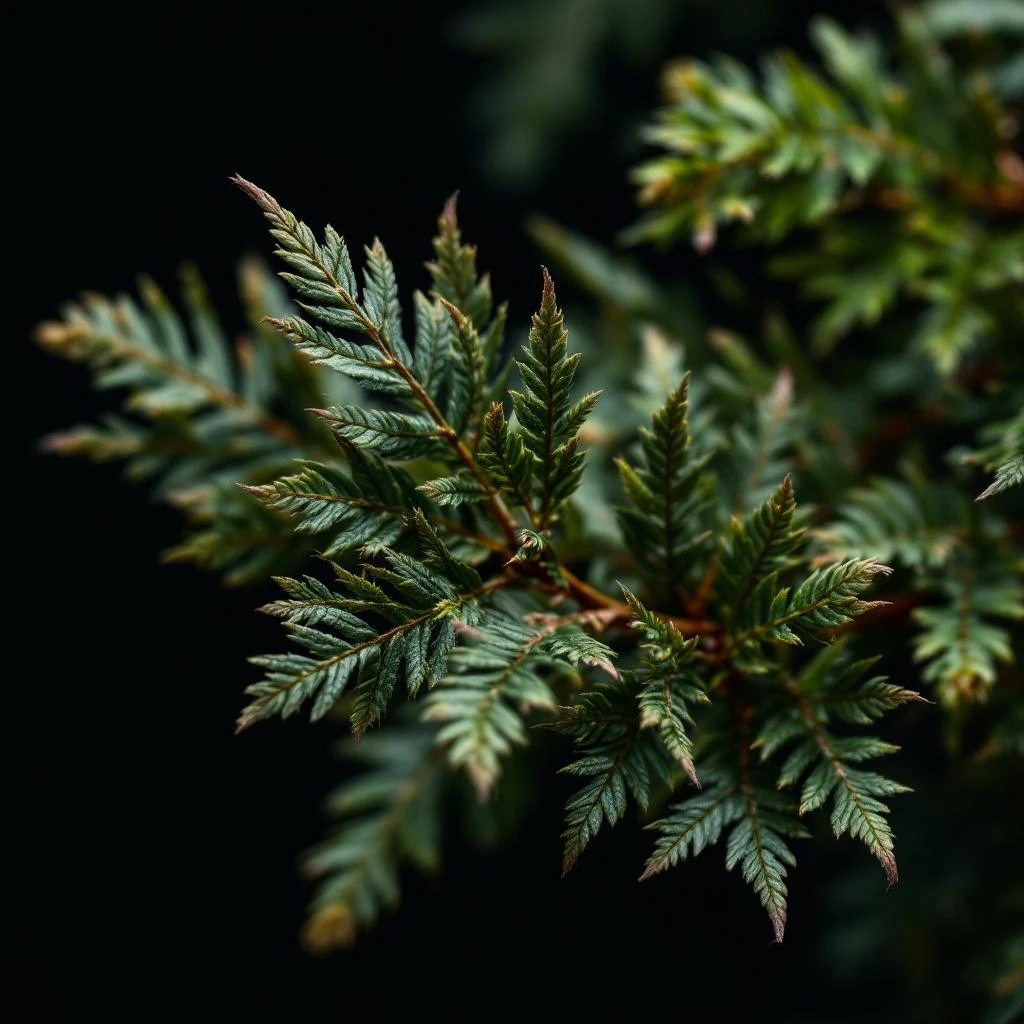
Red Cedar, derived from Juniperus virginiana, delivers a warm, dry-woody aroma with soft balsamic undertones. A cornerstone of perfumery, it anchors fragrances with quiet strength and lasting depth.
Heritage
Juniperus virginiana, commonly called Southern Red Cedar, has deep roots in North American tradition. Indigenous peoples of the eastern woodlands used the aromatic wood for ceremonial smudging, medicinal applications, and daily life, long before European settlers arrived. Early colonists adopted the material for building and storage, recognizing its natural resistance to decay and insects. By the 18th and 19th centuries, Red Cedar had entered the colonial perfumery tradition as one of the earliest domestically produced fragrance materials in North America. Its warm, woody character made it particularly valuable for creating simple yet enduring scents. Ancient Egyptians were among the first to formalize cedarwood use in fragrant preparations, employing Lebanon Cedar in cosmetics, temple incense, and mummification rituals. Cedarwood has long carried associations with purification, healing, and spiritual practice across multiple civilizations. Today, Red Cedar remains a staple of modern perfumery, lending dry, woody structure to masculine fragrances, fine eaux, and household products alike.
At a Glance
1
Feature this note
United States
Primary source region
Ingredient Details
Steam distillation
Dried heartwood and wood chips
Did You Know
"Despite being called cedar, Juniperus virginiana is actually a juniper species, not a true cedar. True cedars belong to the Pinaceae family, while Red Cedar is a member of Cupressaceae."