Character
The Story of Red Fruits
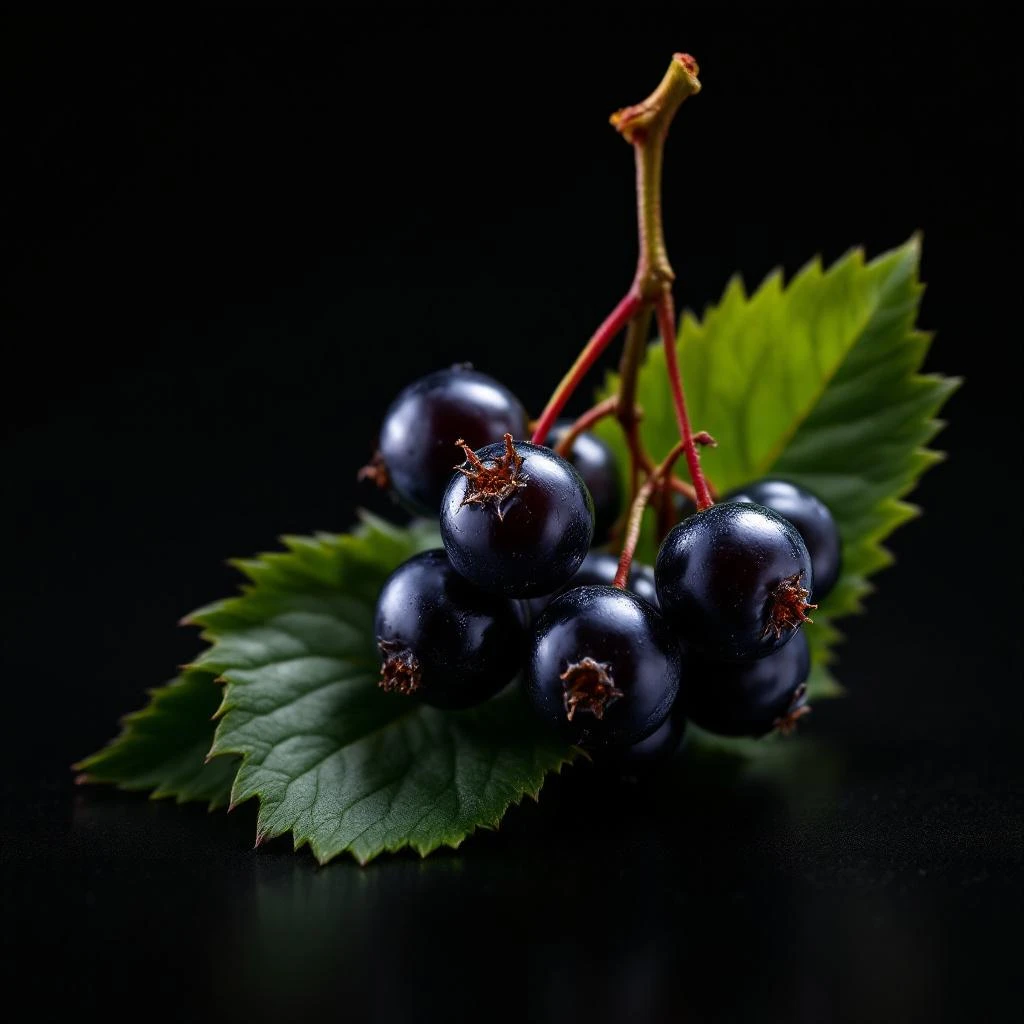
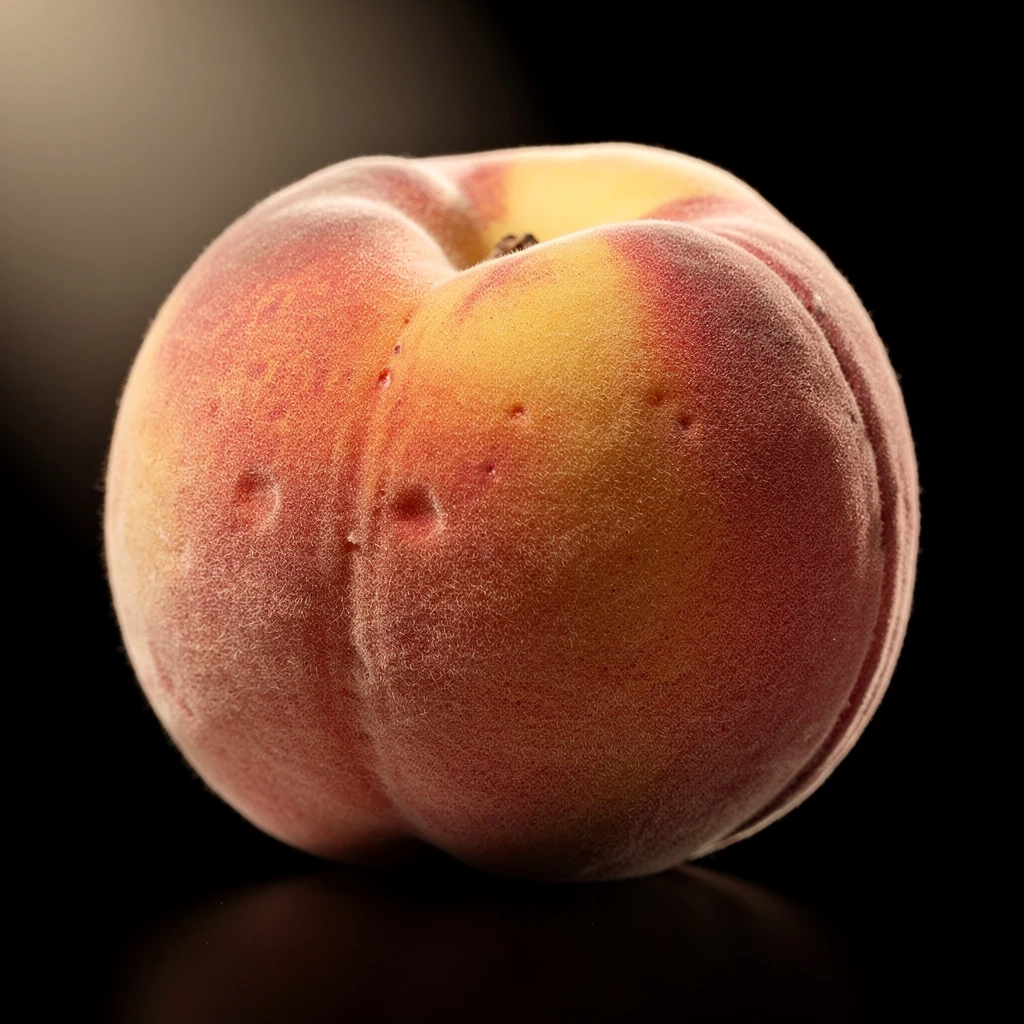
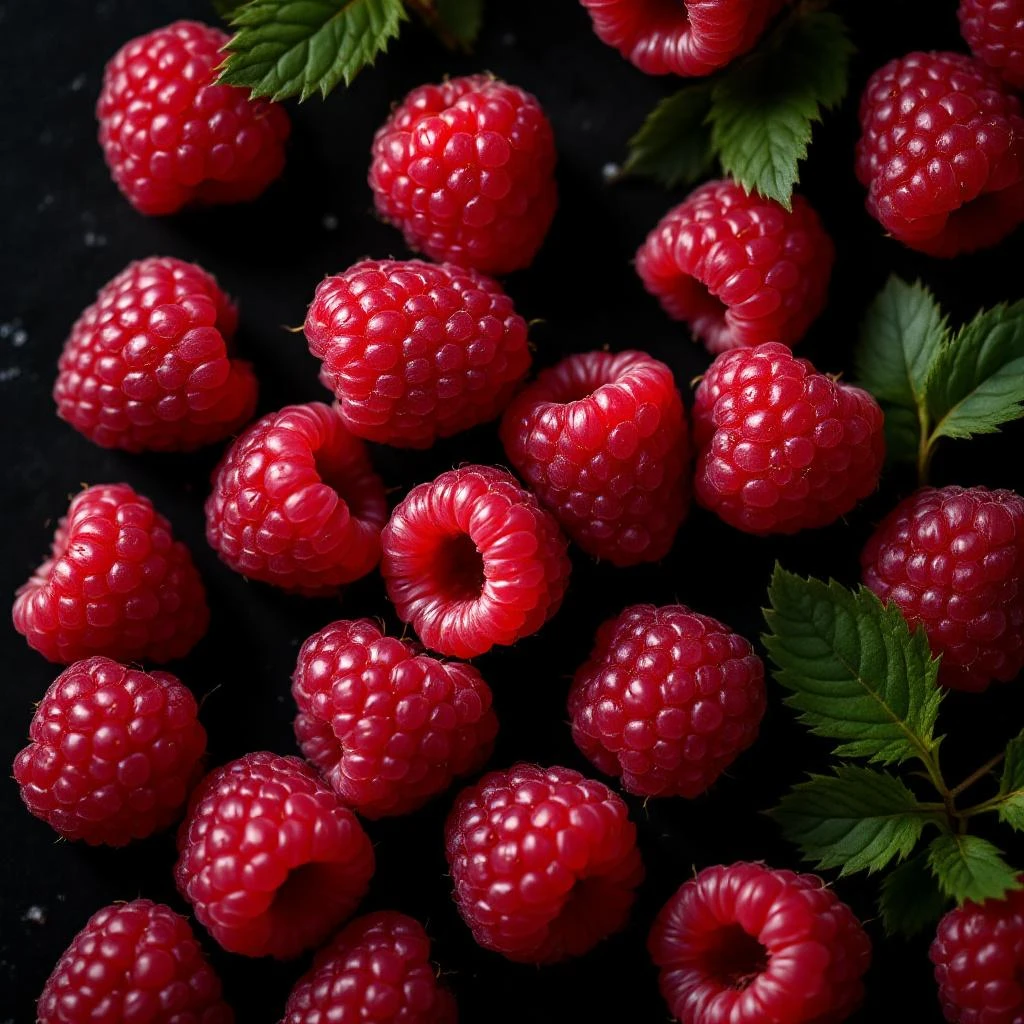
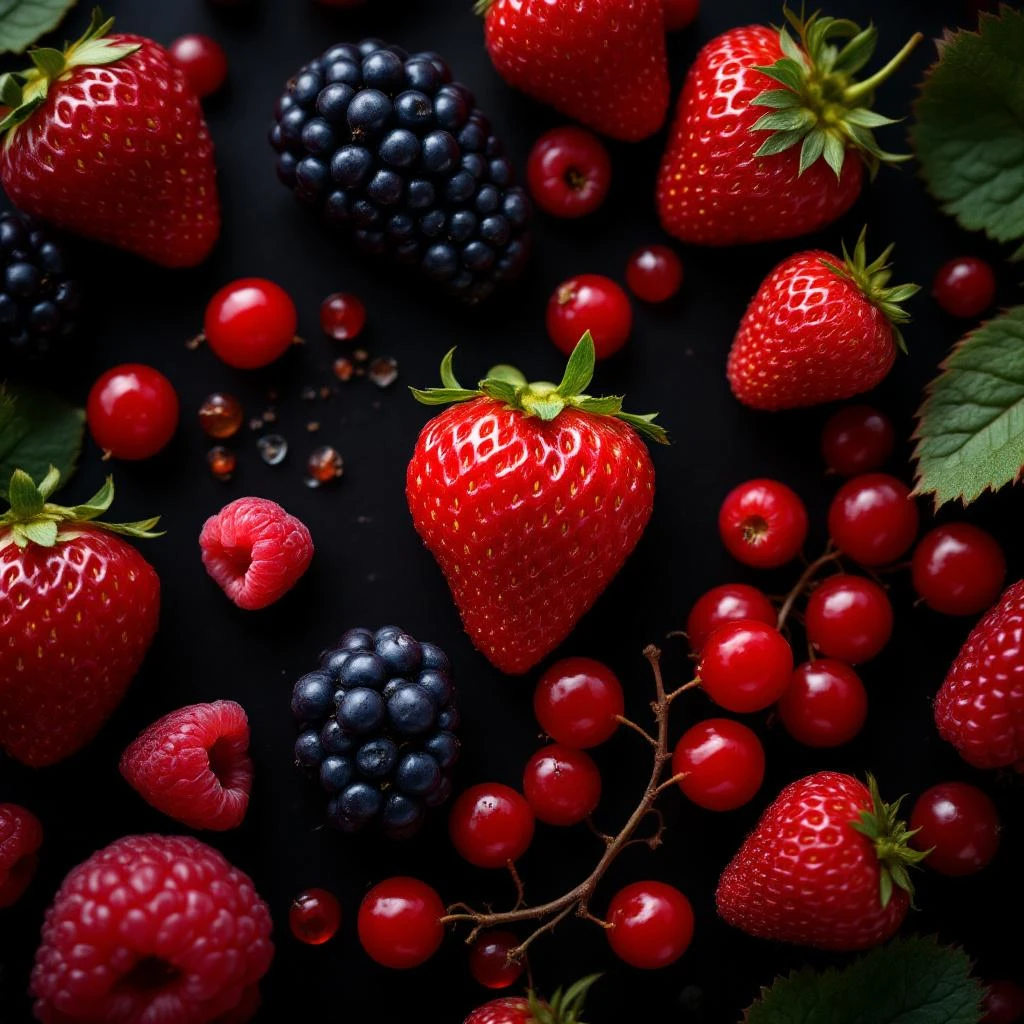
A vibrant composite accord that captures the juicy sweetness and tart brightness of strawberries, raspberries, red currants, and cherries. Red fruits add an immediate burst of playful energy to fragrances, evoking summer gardens and ripe harvests with their candied yet naturally mouthwatering character.
Heritage
The history of red fruits in perfumery is a story of twentieth-century chemistry triumphing over botanical limitation. While ancient civilizations enjoyed berries as food and medicine, the fruits themselves resisted all attempts at extraction. Medieval herbalists infused berries in oils, but the results were weak and prone to spoilage. The challenge remained: how to capture the ephemeral scent of strawberries and raspberries in a stable, concentrated form?
The breakthrough came in the late nineteenth century as synthetic organic chemistry advanced. In 1870, German chemist Albert Ladenburg synthesized ionones, violet-scented molecules that would become crucial building blocks for berry accords. The true revolution arrived in the 1950s when Firmenich chemists developed viable commercial synthesis routes for raspberry ketone, making the iconic "red berry" scent accessible to perfumers for the first time.
By the 1990s, red fruit notes had become mainstream fragrance staples, appearing in blockbuster compositions that defined the era. Lancôme's Trésor (1990) and Thierry Mugler's Angel (1992) showcased berries as serious perfume materials, not just novelty notes. The 2000s saw an explosion of fruity-floral fragrances, with red fruits serving as the bridge between sweet gourmand and fresh floral territories. Today, red fruits appear in over 40% of women's fragrances launched annually, from mass-market body sprays to niche artisanal creations. The accord has proven remarkably versatile, equally at home in playful summer colognes and sophisticated evening perfumes, a testament to how synthetic chemistry expanded perfumery's vocabulary beyond what nature alone could provide.
At a Glance
2
Feature this note
Fruity
Olfactive group
Reconstructed
Lab-crafted
France
Primary source region
Ingredient Details
Molecular reconstruction
Fragrant molecules (synthetic accord)
Did You Know
"Raspberry ketone, the molecule that gives raspberries their signature scent, occurs naturally at just 1-4 milligrams per kilogram of fruit. At $20,000 per kilogram for natural extraction, virtually all red fruit notes in perfumery are synthetic reconstructions."