
Character
The Story of Red grapefruit
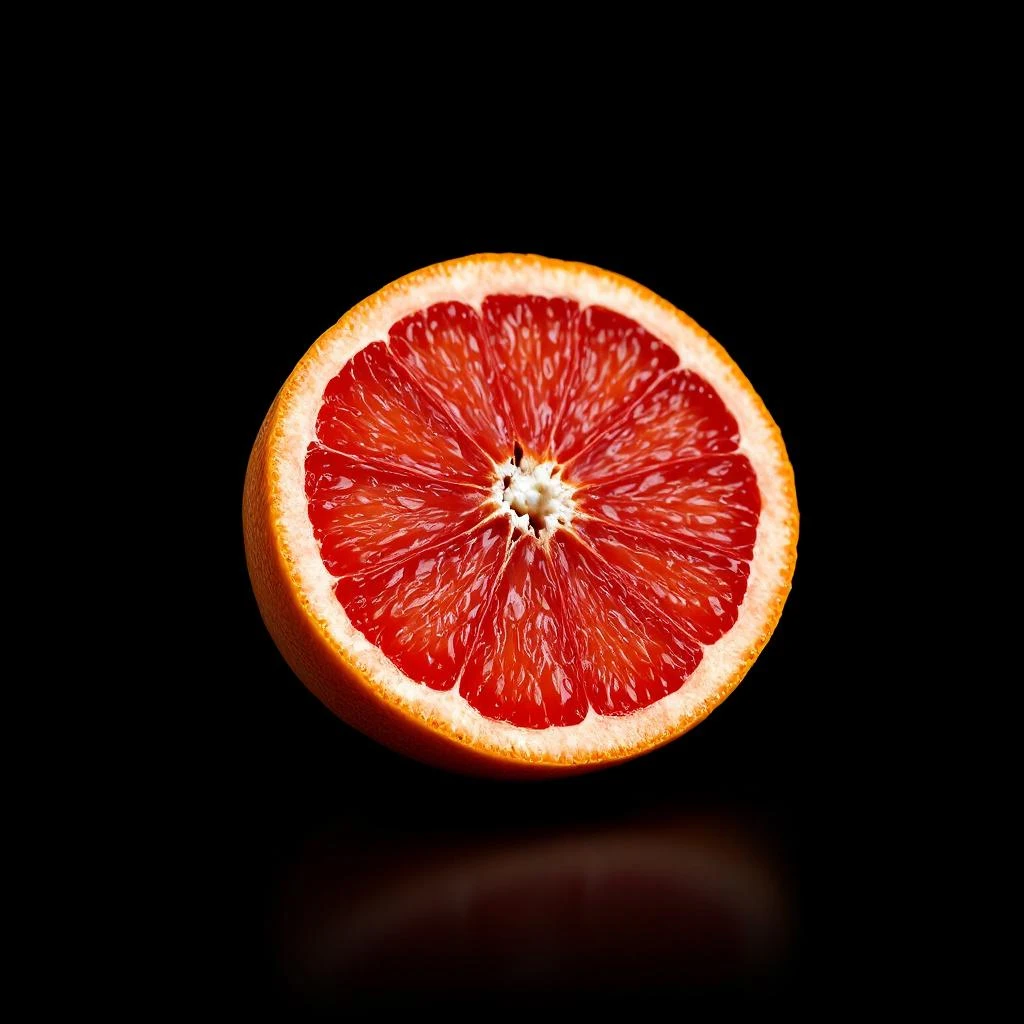
Red grapefruit delivers a tangy, sparkling freshness that electrifies fragrance openings. Its slightly bitter edge sets it apart from softer citruses, bringing immediate energy and a modern sensibility that feels both invigorating and refined.
Heritage
Grapefruit originated as a hybrid between sweet orange and pomelo, first documented in Barbados in the mid-eighteenth century. A smaller variety soon appeared across the Caribbean and Bahamas, and the fruit made its way to Florida's warm climate, where it grew in large golden clusters, earning the name "grapefruit" for how the fruit clusters resemble grapes on a vine. The botanical name Citrus paradisi reflects this cultivation origin. Etymologically, the fruit's alternate name, pamplemousse, traces to Tamil: pampa limāsu means "big citrus," which Portuguese sailors corrupted to pomposos limões, Dutch traders transformed into pompelmousse, and Dutch settlers in South Africa crystallized as pompelmoes. By the late 1800s, as perfumery evolved from aristocratic craft to industrial discipline, citrus oils including grapefruit became foundational materials for the modern fragrance industry, prized for their immediate, uplifting qualities.
At a Glance
1
Feature this note
Barbados
Primary source region
Ingredient Details
Cold pressing
Fruit peel (zest)
Did You Know
"Grapefruit's pigment intensity directly correlates with its scent profile: deeper color signals higher aldehyde content, while paler fruits carry more nootkatone."