Character
The Story of Red mandarin orange
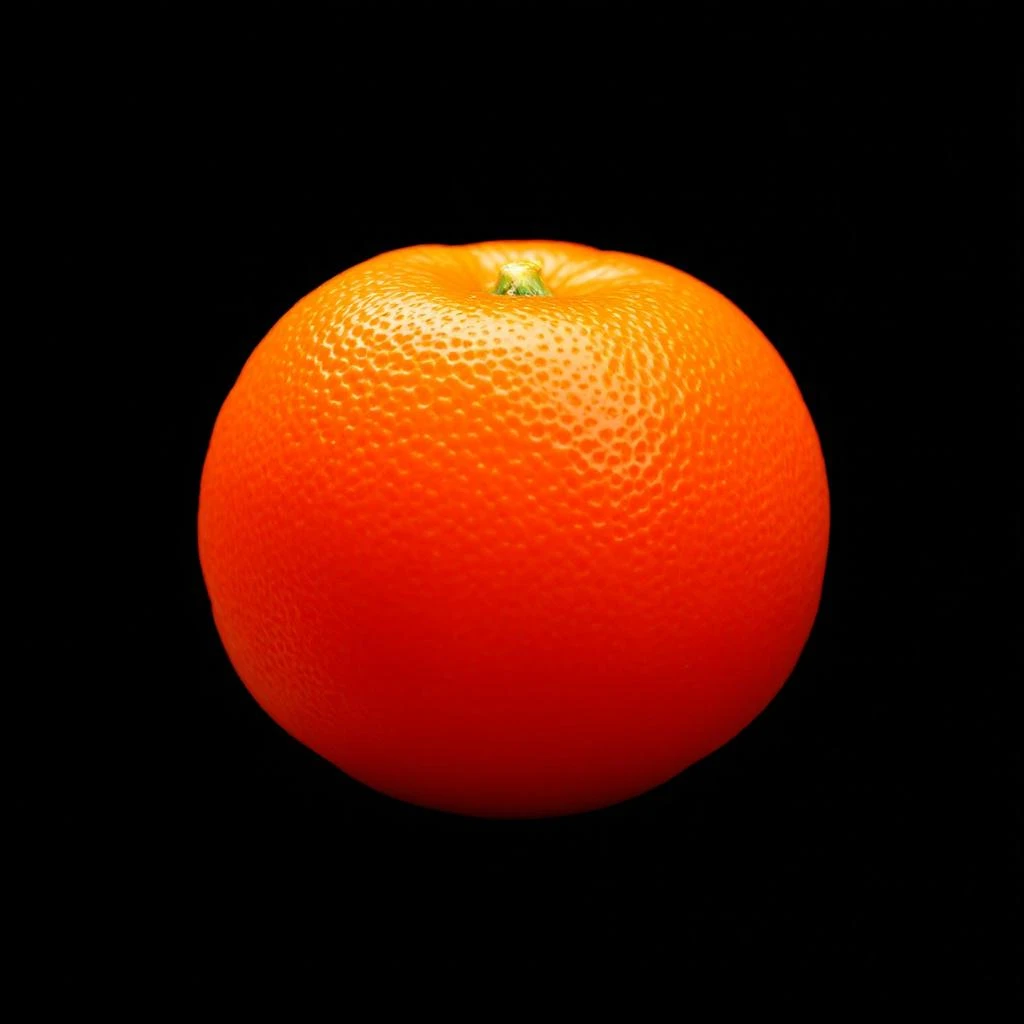
Red mandarin orange delivers warm, sun-kissed citrus with greater depth than common orange. Cold-pressed from ripe peels, it balances tangy sweetness with subtle green undertones. A staple top note in fresh colognes and florals, it energizes perfume openings while blending beautifully with florals and woods.
Heritage
Red mandarin orange traces its lineage to ancient China, where it has been cultivated for thousands of years in the warm southern provinces. The botanical name Citrus reticulata refers specifically to the distinctive net-like pattern visible in the fruit's peel once the outer skin is removed. In ancient Chinese court culture, mandarins were regarded as symbols of prosperity and good fortune, and the fruit was presented as tribute to officials and dignitaries during important festivals.
The fruit's journey westward began in the 19th century when European traders, captivated by its sweet flavor and easy-to-peel nature, introduced it to Mediterranean countries. Unlike the orange, which had arrived in Europe centuries earlier, mandarin cultivation spread rapidly across Spain, Italy, and Morocco, where the climate proved ideal for these subtropical trees.
Today, the fruit remains deeply woven into Chinese cultural traditions, where boxes of mandarin oranges traditionally appear during Lunar New Year celebrations as symbols of abundant wealth and good fortune. In perfumery, red mandarin essential oil has earned a permanent place since the 1800s, valued for its versatility in harmonizing with floral, spicy, and woody fragrance families while lending warmth and approachability to compositions.
At a Glance
1
Feature this note
Italy
Primary source region
Ingredient Details
Cold expression
Fruit peel (pericarp)
Did You Know
"The name 'mandarin' honors ancient Chinese officials; these fruits were once reserved as tribute gifts for high-ranking dignitaries."