

Character
The Story of Red Pepper
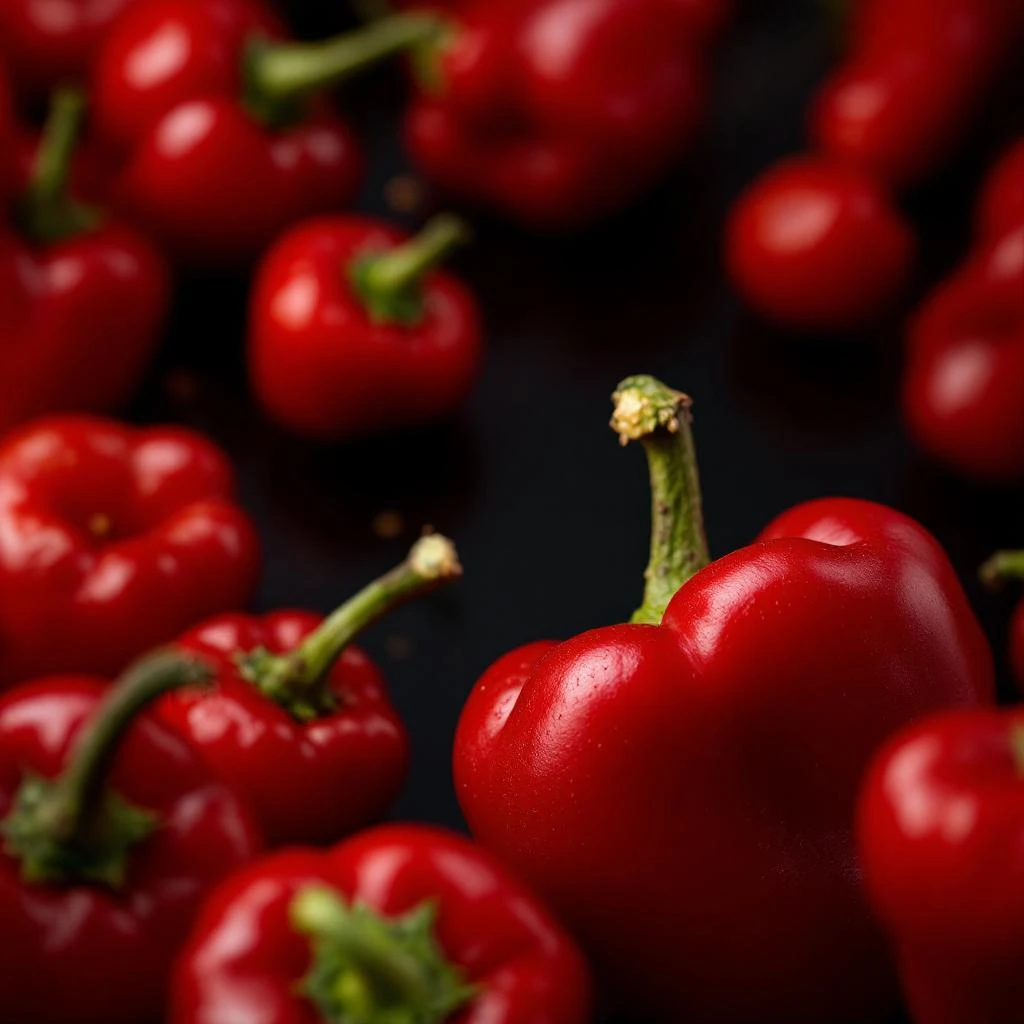
Red pepper brings a sun-drenched warmth to fragrance compositions, offering a sophisticated spiciness that bridges fresh and warm. Unlike its black cousin, red pepper carries a subtle fruity depth alongside its characteristic heat.
Heritage
Black pepper (Piper nigrum) has been a driver of world history, but red peppercorns represent the same plant at its ripest stage. Indigenous to the Malabar Coast of southwest India, pepper vines have been cultivated for over 4,000 years. Arab traders controlled the spice routes for centuries, maintaining their value through strict monopoly. The 1497 discovery of a sea route to India by Vasco da Gama shattered this monopoly, flooding European markets and reshaping global trade. The pepper trade funded empires and sparked exploration. While white and black pepper dominate culinary history, red peppercorns carry the full maturation of the fruit—each harvest a small celebration of ripeness earned through patience. Today, India remains the primary source, though Indonesia and Madagascar produce respected varieties with distinct regional character.
At a Glance
2
Feature this note
India
Primary source region
Ingredient Details
Steam distillation
Dried ripe berries
Did You Know
"The Piper nigrum plant produces four distinct peppercorns—green, white, black, and red—from the same vine, differentiated entirely by harvest timing and processing."