    Ingredient Profile

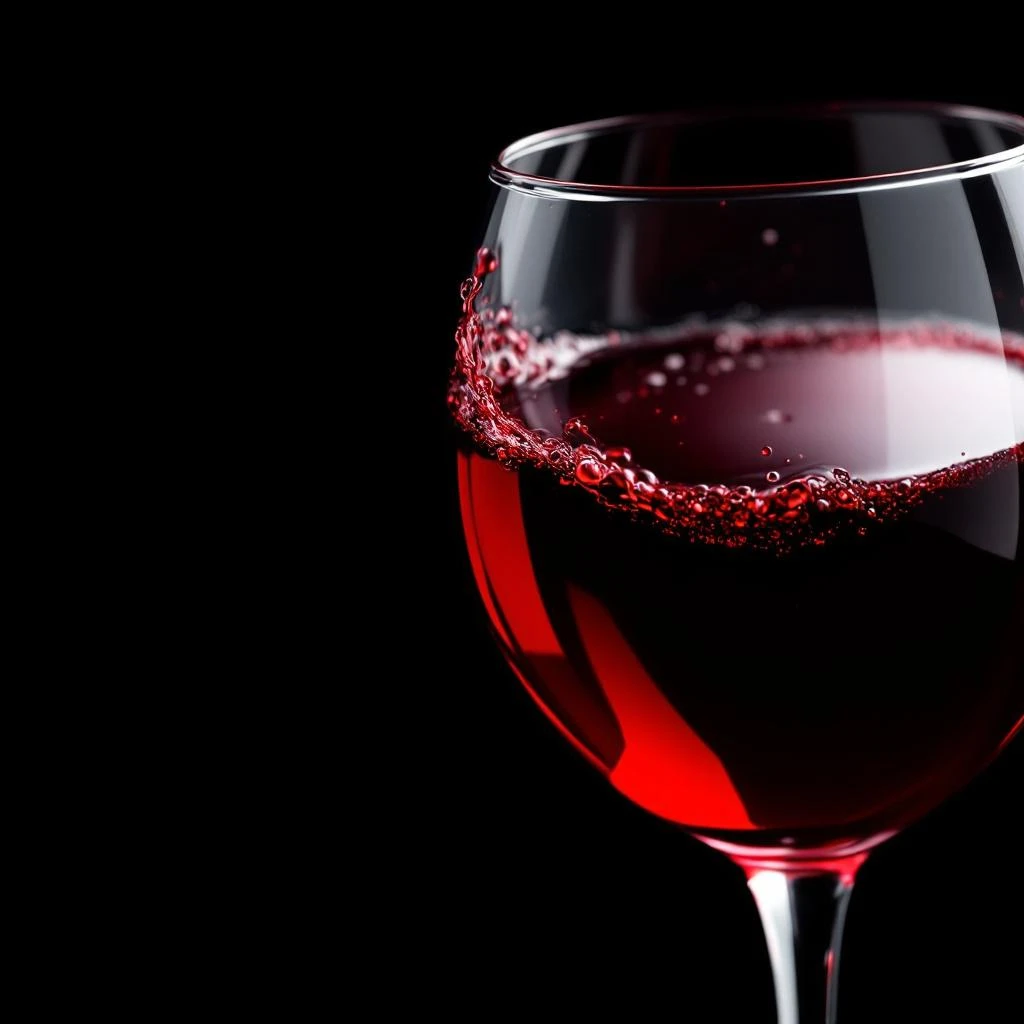
    Red Wine fragrance note

    Red wine note captures the deep, ripe fruit and subtle oak of a freshly uncorked vintage, delivering a warm, velvety aroma that bridges gour…More

    France

    1

    Fragrances

    Fragrances featuring Red Wine

    Character

    The Story of Red Wine

    Red wine note captures the deep, ripe fruit and subtle oak of a freshly uncorked vintage, delivering a warm, velvety aroma that bridges gourmand and aromatic worlds.

    Heritage

    Red wine aroma entered perfumery through the ancient practice of using fermented fruit extracts. Greek poets praised the scent of wine‑infused oils in the 5th century BC, and Roman texts record the use of grape marc in temple incense. Persian chemist Avicenna refined distillation techniques in the 11th century, allowing the first true wine distillates to be isolated. Arab traders carried these extracts across the Mediterranean, where they mixed with rose and sandalwood for luxury blends. By the 19th century, French perfumers began aging wine lees in oak barrels before distilling them, creating a richer, smoother aroma that appealed to the growing gourmand trend. The early 20th century saw the rise of synthetic analogues, which provided consistency for mass‑market scents. Today, niche houses honor the heritage by sourcing organic grape pomace from historic vineyards, linking the modern perfume to the centuries‑old ritual of honoring the vine.

    At a Glance

    Fragrances

    1

    Feature this note

    Origin

    France

    Primary source region

    Ingredient Details

    Extraction

    Hydrodistillation

    Used Parts

    Fermented grape lees and pomace

    Did You Know

    "The first recorded use of a wine‑derived aroma in perfume dates to a 16th‑century French court, where a blend of grape marc and rose was prized for its richness."

    Production

    How Red Wine Is Made

    Red wine note begins with ripe grapes that have completed full fermentation. Winemakers press the fruit, then collect the lees – the sediment of dead yeast, skins and pulp that settle after aging. Perfumers transfer the lees to a copper still and apply gentle hydrodistillation at 95 °C. The steam carries volatile aroma compounds, including ethyl phenylacetate, benzaldehyde and oak‑derived vanillin, into a condenser where they condense into a clear oil. Some houses prefer solvent extraction, soaking the lees in ethanol to pull out the same molecules without heat. After filtration, the extract rests in stainless steel vats for several weeks, allowing heavier notes to integrate. The final red wine absolute is a viscous amber liquid that retains the fruit’s dark berry core, a whisper of tannic dryness, and a faint toasted oak nuance. Perfumers dilute the absolute in ethanol before blending, ensuring the note remains stable and does not oxidize quickly.

    Provenance

    France

    France44.8°N, 0.6°W

    About Red Wine