Character
The Story of Reed
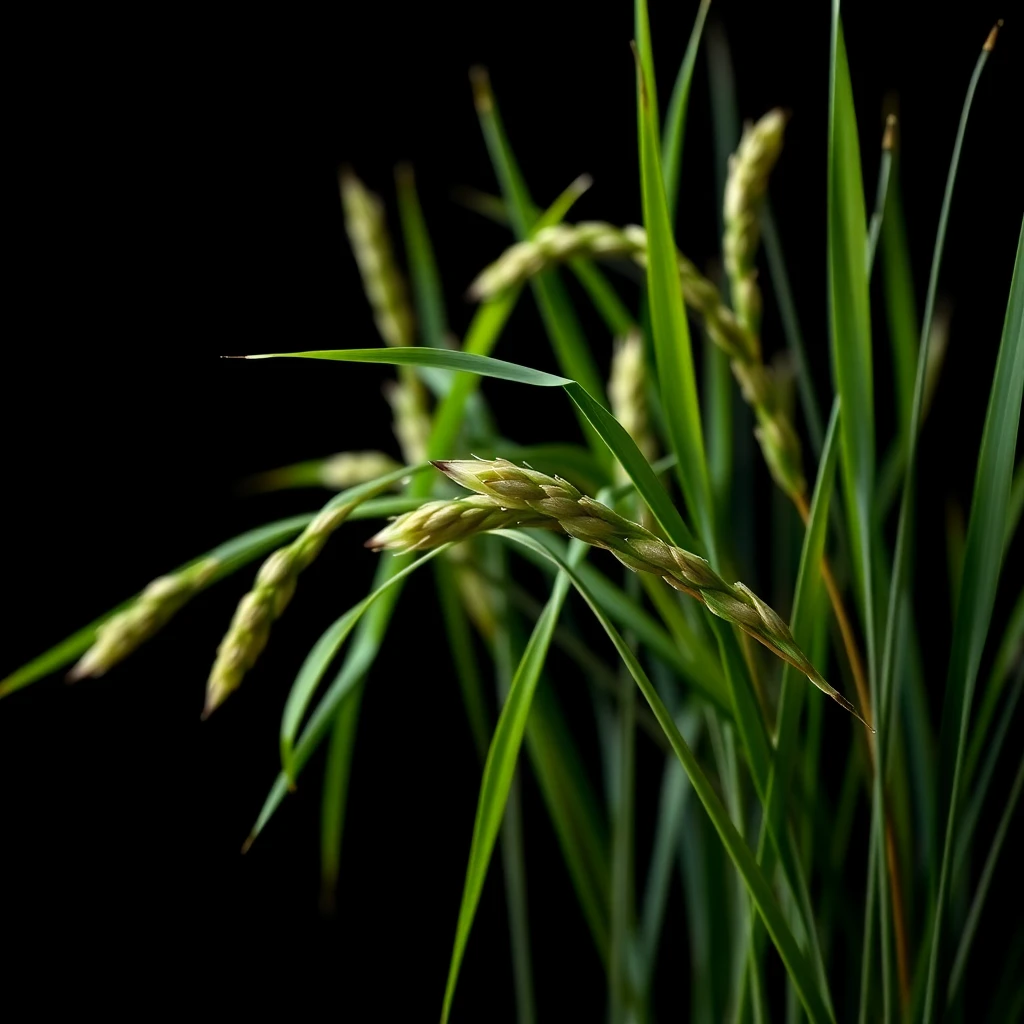
Reed brings the quiet freshness of riverbanks and wetlands into fragrance, offering a green-aquatic character that suggests standing water, tall grasses, and open air. This note captures the essence of Phragmites australis and related wetland grasses, delivering an impression of cool, damp earth and vegetal tranquility.
Heritage
The relationship between humans and fragrant reeds stretches back to the dawn of civilization. In ancient Egypt, around 5000 BCE, farmers lined underground grain storage chambers with Arundo donax leaves, recognizing the material's ability to regulate humidity and protect harvests. The Greeks and Romans discovered that hollow reed stems could absorb and transport scented oils, creating early forms of passive diffusion by soaking reeds in blends of wine, cinnamon, honey, myrrh, and cloves. This practical use laid the groundwork for what would eventually become the modern reed diffuser industry.
As a perfume note, however, reed remained largely overlooked until the late twentieth century. The aquatic fragrance revolution of the 1980s and 1990s, sparked by pioneering scents like Davidoff's Cool Water and Issey Miyake's L'Eau d'Issey, created demand for fresh, watery-green notes that suggested nature without necessarily replicating specific flowers or fruits. Reed emerged as a perfect supporting player in these compositions, its damp, grassy character providing a naturalistic backdrop for brighter citrus or marine notes. In niche perfumery, reed has found a home in compositions that aim to capture specific landscapes, from marshlands to riverbanks to lakeside meadows. The note appears in green florals, aquatic woody scents, and contemporary colognes, where it contributes an impression of openness and natural simplicity that feels distinctly modern.
At a Glance
1
Feature this note
Green
Olfactive group
Natural
Botanical origin
Mediterranean region
Primary source region
Ingredient Details
Accord composition (natural extraction is commercially unviable)
Stems and leaves (for accord inspiration)
Did You Know
"Natural reed extraction is so inefficient that perfumers almost always create this note as an accord. One attempt to distill Arundo donax flowers yielded just 0.002% essential oil, making it one of the lowest-yielding potential fragrance sources in existence."