Character
The Story of Rooibos Tea
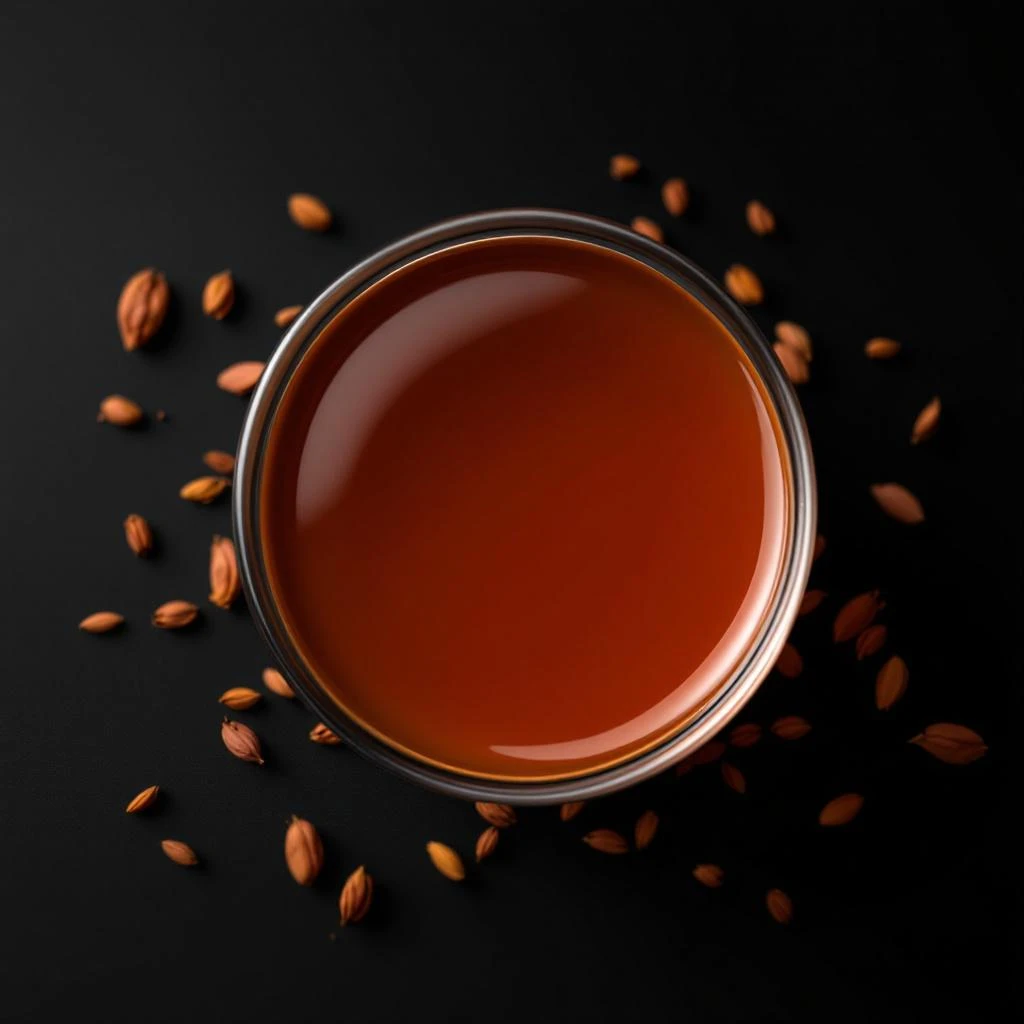
Rooibos is a caffeine-free herbal ingredient native to South Africa's Cederberg mountains. In perfumery, it contributes a warm, earthy aroma with subtle tobacco and sweet herbaceous undertones that add depth and complexity to fragrance compositions.
Heritage
The Khoisan people of South Africa's Cederberg mountains first harvested rooibos leaves over 300 years ago, using them to brew herbal remedies and aromatic beverages. For generations, rooibos remained a regional tradition until Dutch settlers in the 1700s began exploring it as a cheaper alternative to imported black tea. The ingredient remained largely unknown outside Southern Africa until the early 2000s, when international demand surged. By the 1930s, rooibos had become a commercial crop, though it truly entered mainstream global markets after World War II when supply shortages accelerated local adoption. South Africa today produces approximately 15,000 tons annually, with about 7,000 tons exported to over 30 countries. The ingredient's rise in perfumery followed its popularity in food, cosmetics, and wellness sectors, where its natural warmth and earthy complexity made it a sought-after material for modern fragrance compositions.
At a Glance
1
Feature this note
South Africa
Primary source region
Ingredient Details
CO2 supercritical extraction
Dried leaves
Did You Know
"South Africa remains the world's sole producer of rooibos, with over 450 growers across the Cederberg region supplying the global fragrance and beverage industries."