Character
The Story of Rose Centifolia
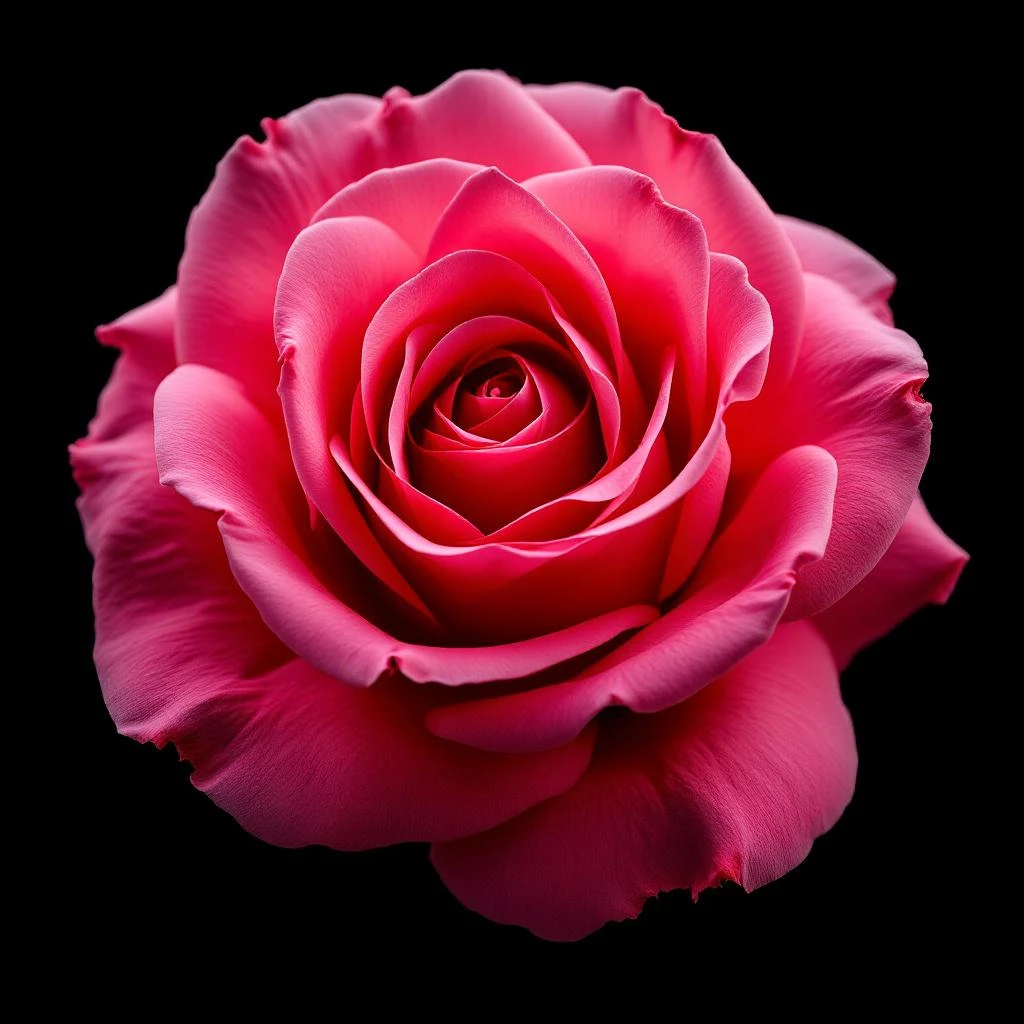
Rose Centifolia, the "hundred-petaled rose," is a French perfumery icon. Loved for its honeyed, spicy, and fruity character, it brings lightness and grace wherever it blooms. Smaller but more fragrant than common ornamental roses, it anchors the heart of prestigious fragrances.
Heritage
Rose Centifolia, meaning "hundred-petaled rose," is a horticultural hybrid developed by Dutch growers between the 17th and 19th centuries, descending from Rosa gallica, native to the Caucasus and Iran. The rose arrived in southern France during the 16th century, finding ideal growing conditions in the hills surrounding Grasse, the ancestral capital of French perfumery. Grasse's unique terroir, with its warm summers and well-drained limestone soil, proved perfect for this temperamental flower. Here it became known as Rose de Mai, Provence rose, and cabbage rose, the latter referencing its densely packed, globular blooms. During the 17th and 18th centuries, Grasse's perfume houses built their reputations around this flower, cementing its role as the cornerstone of French rose perfumery. Though most commercial cultivation shifted to Morocco during the 20th century, Centifolia remains inseparable from the identity of Grasse. Today it stands as the definitive French rose, prized for its lighter, more delicate character compared to Damask rose. Its centuries-old legacy and complex scent make it one of the most revered ingredients in fine fragrance.
At a Glance
1
Feature this note
France
Primary source region
Ingredient Details
Solvent extraction
Fresh flower petals
Did You Know
"Over 100 petals form each bloom. Extracting 1 kg of Rose Centifolia absolute requires approximately 12 tons of hand-picked petals."