Character
The Story of Russian Leather
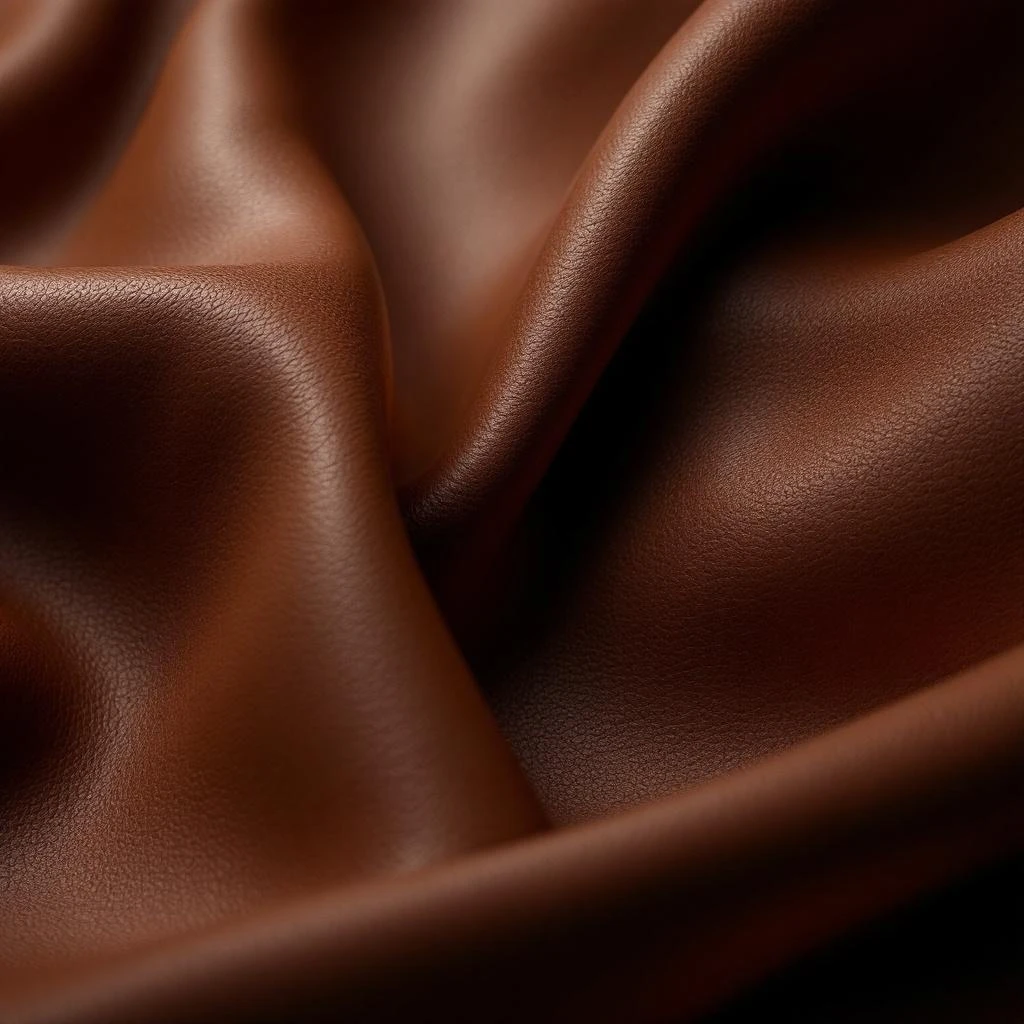
Birch tar smoke, warm suede, and a whisper of sweet vanilla. Russian leather captures the bold elegance of 18th-century cavalry gear that reshaped perfumery across Europe.
Heritage
Birch bark tar has preserved leather in Russia since at least the 1400s. Russian cavalry commanders treated their harnesses and holsters with birch tar to waterproof the leather and deter pests. The smell became inseparable from military prestige.
By the mid-1700s, European traders began associating that distinct smoky-sweet aroma with Russian authority and refinement. When Count Orlof commissioned Bayleys of Bond Street to create a fragrance embodying the Russian spirit, the result drew directly from this tanning tradition. The 1798 formula, known as Eau de Cologne Imperiale Russe, became the archetype for every Russian leather fragrance to follow.
When Guerlain released Cuir de Russie in 1890, the note achieved canonical status in Western perfumery. Chanel, LT Piver, and Creed each released their own interpretations within decades. The note eventually gave its name to an entire category: heavy tobacco and leather blends with a birch tar signature became so common by the mid-1800s that perfumers simply called them Russian leather fragrances. The soap brand Imperial Leather, launched in 1938 and still sold today, carries this legacy into the present.
At a Glance
7
Feature this note
Other
Olfactive group
Russia
Primary source region
Ingredient Details
Dry distillation of birch bark, combined with leather tincturing and synthetic accord
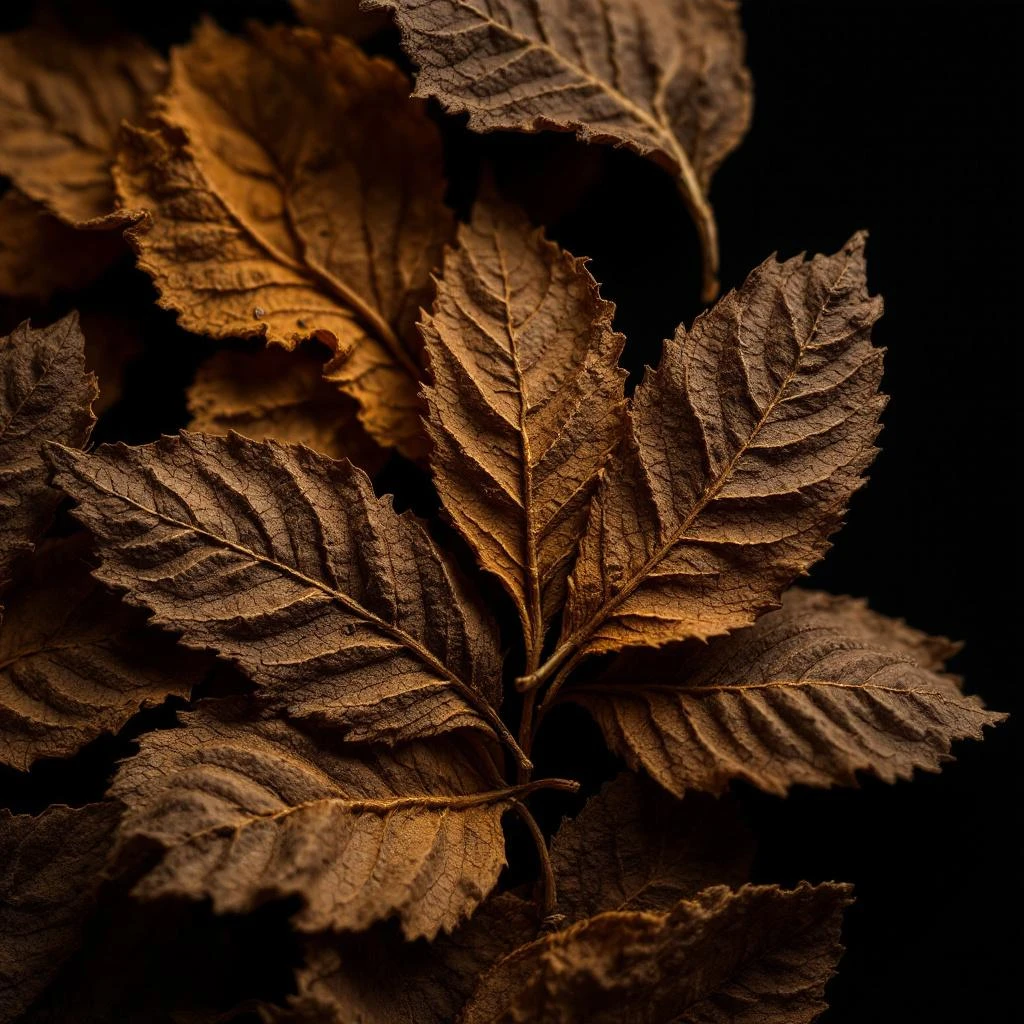
Outer bark of silver birch (Betula pendula) and downy birch (Betula pubescens)
Did You Know
"The 1798 Bayley's fragrance behind this note later became Cussons' Imperial Leather soap in 1938, sold in Britain for over 80 years."
Pyramid Presence