



Character
The Story of Sandalwood
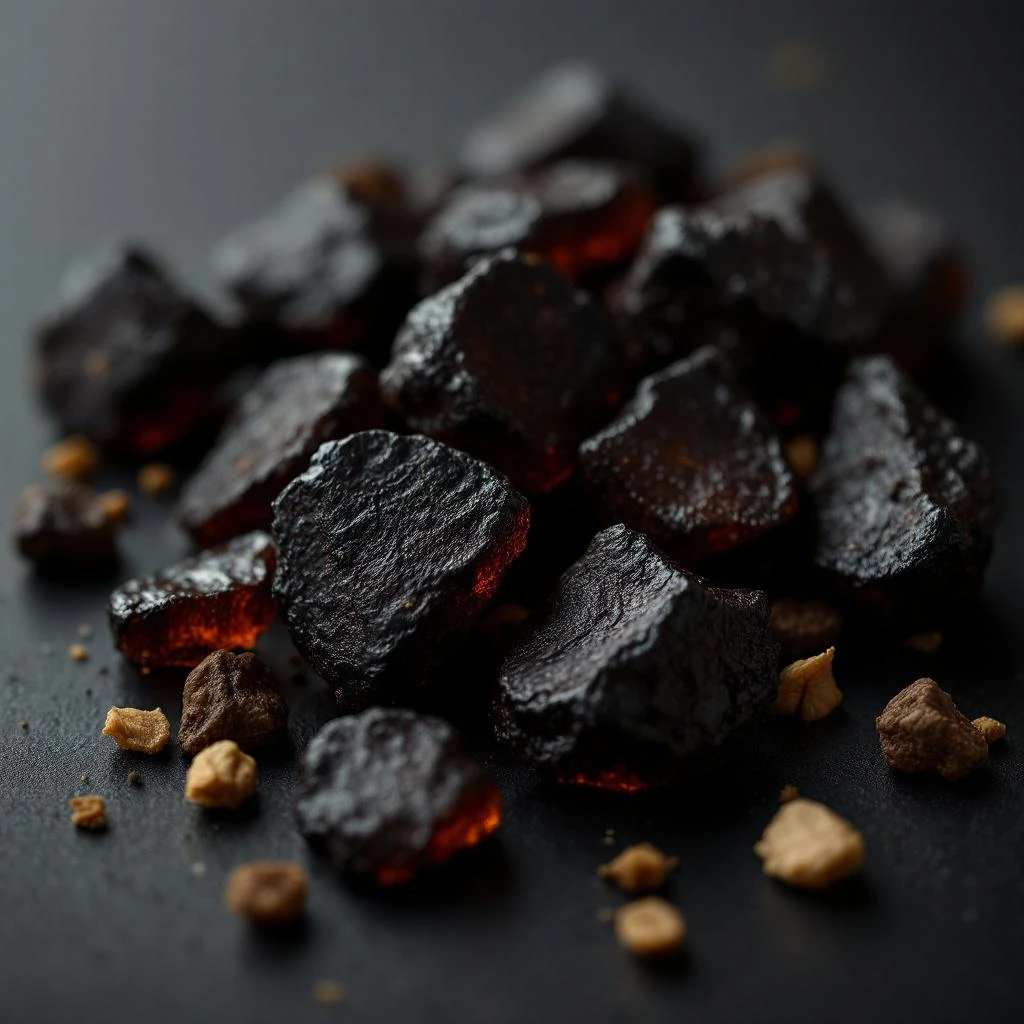
Sandalwood is a creamy, woody base note that has anchored perfumery for over four millennia. Extracted from the heartwood of Santalum album, it delivers a warm, milky sweetness that binds compositions together while adding depth and persistence. Indian Mysore sandalwood remains the benchmark, though Australian cultivation now supplies much of the modern market.
Heritage
Sandalwood's relationship with human civilization spans more than four thousand years, making it one of the oldest aromatic materials in continuous use. In ancient India, it was considered sacred to Hinduism and Buddhism, its smoke believed to elevate the soul and deepen meditation. Temples were built from sandalwood, their interiors naturally perfumed and resistant to insects. The paste applied to worshippers' foreheads (tilaka) was made from ground heartwood, a practice that continues today. Ayurvedic medicine valued sandalwood for cooling and calming properties, prescribing it for skin conditions, digestive ailments, and mental clarity.
The wood's journey to Western perfumery came relatively late. While Arab traders had long carried sandalwood to the Mediterranean, it was not until the nineteenth century that European perfumers fully embraced its potential. Guerlain's Jicky (1889) marked a turning point: the legendary fragrance incorporated Indian sandalwood as a key base note, demonstrating how its creamy warmth could anchor complex compositions. Shalimar (1925) and Chanel's Bois des Iles (1926) followed, establishing sandalwood as an essential ingredient in the emerging oriental fragrance family.
The twentieth century brought crisis: unsustainable harvesting pushed Indian sandalwood toward extinction, leading to government monopolies, export bans, and a thriving black market. A single kilogram of vintage Mysore oil now commands prices rivaling precious gems. This scarcity has paradoxically elevated sandalwood's status, making it a symbol of luxury and discernment. Contemporary perfumers work with Australian plantation material, synthetic alternatives like Javanol and Sandalore, and carefully rationed stocks of vintage Indian oil. Sacred Wood by Kilian, which showcases sandalwood as its central theme, represents the modern expression of this ancient material, proving that four millennia of history still leaves room for innovation.
At a Glance
1,092
Feature this note
Woody
Olfactive group
Natural
Botanical origin
India
Primary source region
Ingredient Details
Steam distillation
Heartwood and roots
Did You Know
"Sandalwood trees are hemiparasites, connecting their roots to neighboring plants for the first decade of life, which makes cultivation extraordinarily difficult and explains why mature heartwood commands such premium prices."
Pyramid Presence