Character
The Story of Sapote
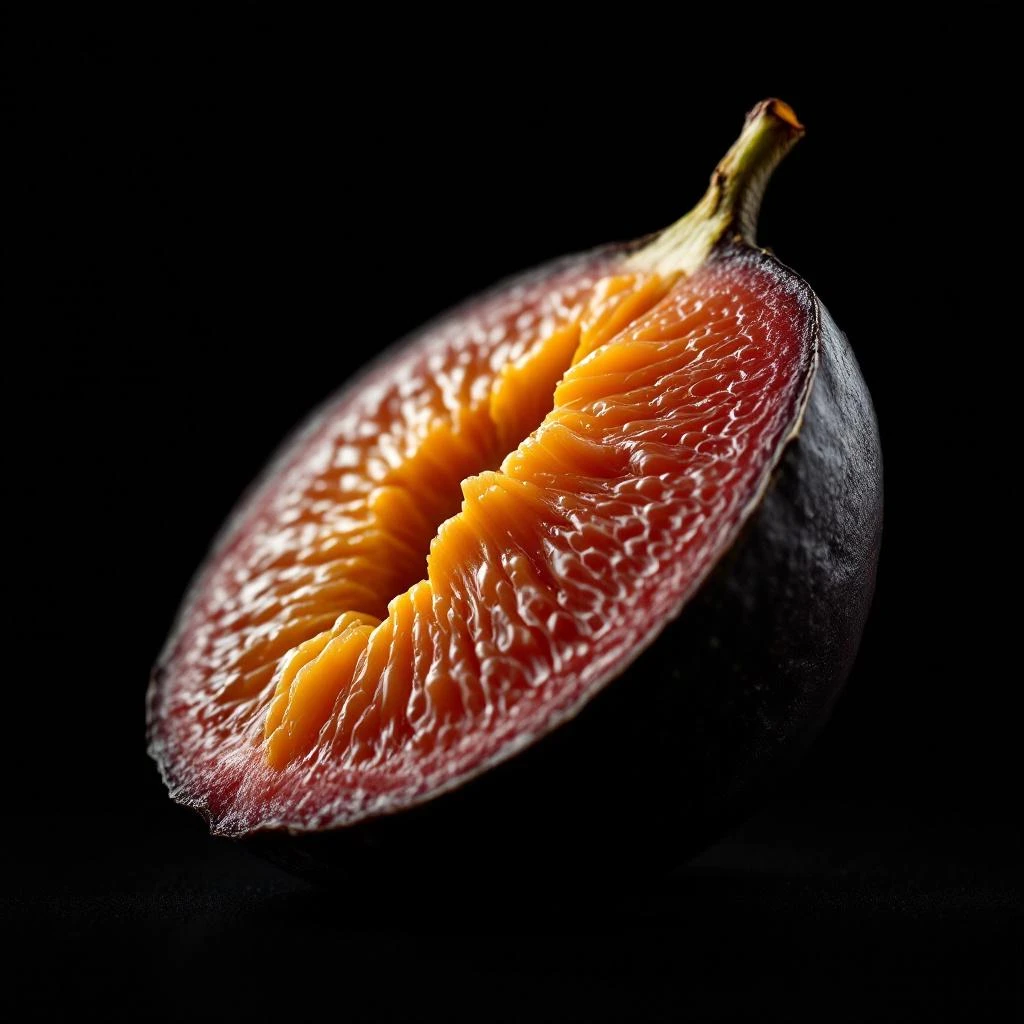
Sapote is a tropical fruit from the Sapotaceae family, yielding a rich, custard-like aroma with caramel and tropical fruit nuances prized in perfumery for its warm, edible sweetness.
Heritage
Sapote trees are native to Mesoamerica, growing naturally from Southern Mexico to Northern Nicaragua, with cultivation spreading throughout Central America and into tropical South America. The Aztec civilization used the term tzapotl to describe all soft, sweet fruits, a linguistic legacy preserved in the name sapote. Spanish colonizers documented the fruit in the 16th century, and it has since been introduced to Caribbean islands, Florida, and experimental cultivation in Australia and Europe. The genus name Diospyros originates from Greek, combining dios (divine) and pyron (fruit), reflecting the high regard ancient cultures held for these fruits. Black sapote, nicknamed chocolate persimmon for its pudding-like appearance when ripe, and Pouteria sapota with its vibrant orange-red carotenoid-rich pulp represent two distinct species prized across pre-Columbian cultures for both nutrition and ceremonial use.
At a Glance
1
Feature this note
Mexico
Primary source region
Ingredient Details
Solvent extraction
Ripe fruit pulp
Did You Know
"The genus name Diospyros translates to divine fruit from Greek, while sapote derives from the Aztec tzapotl, a general term for soft, sweet fruits."